Add your promotional text...
Catching Waves in Washington: The Best Places to Learn to Surf
Catch waves on Washington’s rugged Pacific Coast with this guide to the best places to learn to surf, including Westport, Long Beach, La Push, and Neah Bay. Discover what to expect during beginner surf lessons, essential surf gear you’ll actually need, tips for surfing with kids and dogs, and how to stay warm and comfortable on cold-water beach days. Perfect for first-time surfers, families, and Pacific Northwest adventure lovers looking to get outside and play.
WASHINGTON TRAVEL
Get Outside and Play Usa
7/21/20259 min read
There’s something almost unreal about surfing in Washington State.
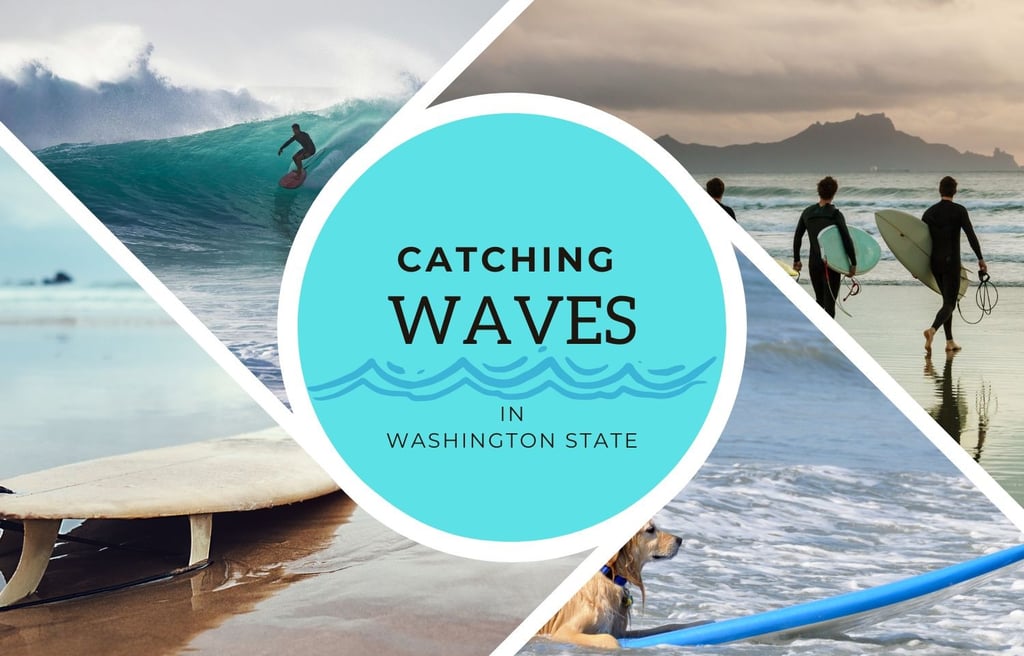
Most people picture tropical beaches, warm air, and palm trees when they think of surfing—but out here, it’s different in the best possible way. The water is colder. The skies are moodier. The beaches feel wild and untamed. And somehow, that makes finally catching your first wave feel even more rewarding.
The first time I stood on a Washington beach watching surfers paddle into the gray-blue waves, I remember thinking they looked completely fearless. Freezing water, crashing surf, wind whipping across the sand—and there they were, smiling like they knew some secret the rest of us didn’t.
Turns out, they did.
Surfing in Washington has a way of making you feel alive. You leave cold, sandy, exhausted, and already wanting to go back.
The best part? You absolutely do not have to be an expert to start. Washington has several beginner-friendly beaches, local surf schools, and welcoming surf communities that make learning surprisingly approachable—even if you’ve never touched a surfboard in your life.
Why Washington is Surprisingly Great for Surfing
Washington’s coastline faces the powerful Pacific Ocean, which means waves roll in consistently during much of the year. The beaches are dramatic, scenic, and often far less crowded than California surf spots. You’ll find long sandy beaches, rugged sea stacks, driftwood-covered shorelines, and endless ocean views that make the entire experience feel like an adventure instead of just a lesson.
The surfing culture here also feels more relaxed and down-to-earth. People are usually there because they genuinely love the ocean—not because they’re trying to look cool carrying a surfboard through a parking lot. That makes Washington an incredible place to learn.
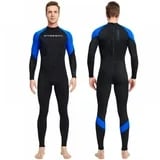
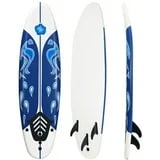
Washington surfing is beautiful, but it’s definitely not tropical. The first thing most beginners realize is just how cold the Pacific Ocean feels once your feet hit the water. A good cold-water wetsuit makes an enormous difference, especially during longer lessons when your body starts losing heat faster than expected. Most beginner surfers also find that soft-top surfboards and beginner bodyboards are much easier to learn on because they’re more stable and forgiving when you wipe out—which, honestly, is part of learning. A quality ankle leash quickly becomes essential too, because chasing a drifting surfboard through freezing waves gets exhausting fast. And after fighting your way out of a wet wetsuit in a windy parking lot once, you suddenly understand why so many surfers swear by changing ponchos and towel robes.
Best Places to Learn to Surf
Westport – The Surf Capital of Washington
If there’s one place that owns the title Surf City USA (PNW edition), it’s Westport. The waves here are steady, the beaches are long and sandy, and the locals have that friendly, sea-soaked vibe that makes beginners feel welcome.
After a few hours out on the water, staying warm becomes almost as important as surfing itself. Washington beaches can feel chilly even in summer, especially once the wind starts coming off the ocean. One thing I learned quickly is that simple comfort items can completely change the experience. A windproof beach hoodie, quick-dry microfiber towel, and even an insulated thermos filled with hot coffee or cocoa suddenly feel less like luxuries and more like survival gear after sitting in cold Pacific waves. Even reef-safe sunscreen matters more than people expect because the ocean reflects sunlight for hours, even on cloudy coastal days. Having a sand-resistant beach blanket nearby also gives you a dry place to sit, relax, and warm up between surf sessions.
BigFoot Surf School
If you’re new to surfing, BigFoot Surf School is the place to start. They specialize in beginners—families, kids, and anyone brave enough to stand up and ride their first wave.
Lessons: Private or semi-private, ages 7 and up
Includes: Surfboard and instruction (you’ll rent your wetsuit separately)
Cost: Around $90–$120 per person depending on session type
Location: Westhaven State Park, Westport
Website: bigfootsurf.com
What I love about BigFoot is how encouraging they are. The instructors cheer when you fall, celebrate when you stand, and remind you that the real win is just getting in the water.
Tip: Bring a thermos with a hot drink—you’ll thank yourself afterward.
Long Beach Peninsula – Surfing With a View
Stretching for 28 miles, Long Beach is one of the longest continuous beaches in the U.S. It’s a paradise for kite flyers, clammers, and yes—surfers.
One thing people don’t talk about enough is how much downtime surfing actually involves. You spend time watching wave patterns, resting between sessions, warming up, eating snacks, and just sitting on the beach listening to the ocean. That’s part of the experience. Having a comfortable beach setup makes those long surf days so much better. Low-profile beach chairs, pop-up beach tents, and sun shelters can turn an exhausting beach trip into an entire relaxing day on the coast. A soft-sided cooler packed with snacks and drinks quickly becomes one of the most appreciated things on the beach, and bringing reusable water bottles helps you stay hydrated after long paddle sessions. If you’re bringing valuables like phones, cameras, or keys, dry bags are absolutely worth having because Pacific Northwest beach weather changes quickly.
Skookum Surf Co.
Located in Seaview, Skookum Surf Co. is perfect for those wanting a low-key, confidence-building surf experience.
Lessons: Group or private
Includes: Soft-top surfboard and wetsuit
Cost: Around $75–$100 per person
Location: Seaview, WA
Website: skookumsurf.com
The instructors here make learning fun and focus on timing, balance, and reading the waves. You’ll feel supported from your first paddle to your first wipeout.
Bonus: After your lesson, reward yourself with fish and chips or a stroll through the quirky beach shops downtown.
La Push – Surfing in the Wild
La Push Surf Adventures
If you’ve ever dreamed of surfing where the forest meets the sea, La Push is your spot. Run by seasoned surfers who know every break and tide pattern, La Push Surf Adventures gives you a full two-hour lesson—board, wetsuit, hood, and booties included.
Lessons: 2-hour private or group
Includes: Full gear and instruction
Cost: Around $120–$140 per person
Location: La Push Beach
Website: lapushsurfadventures.com
Standing on your board as bald eagles soar overhead? That’s a memory that sticks.
Tip: Book nearby lodging in Forks or La Push and make it a weekend adventure.
Neah Bay – Surfing Off the Beaten Path
North By Northwest Surf Co.
Drive to the far northwest corner of the state and you’ll find Hobuck Beach, a hidden gem near Neah Bay. It’s the kind of place where time slows down and the waves seem to wait just for you.
Lessons: 1-hour instruction + 2-hour gear rental
Includes: Board and wetsuit
Cost: Around $60–$80 per person
Website: nxnwsurf.com
Expect uncrowded beaches, salty mist, and that cozy 'end of the Earth' feeling you only get on the Olympic Peninsula.
Tip: Bring snacks, warm layers, and check tide times—the nearest café isn’t always open.
The little things usually end up being the items you’re most thankful you packed. Surfing can be messy, sandy, cold, and surprisingly rough on your body when you’re first learning. Anti-chafe balm becomes incredibly important once wetsuits and repetitive paddling start irritating your skin, and baby wipes or biodegradable wipes somehow become useful for everything from sandy feet to quick parking-lot cleanup. Having extra dry clothes waiting in the car afterward honestly feels amazing, especially after spending hours in cold water and coastal wind. Even a simple mesh bag for wet gear helps keep your vehicle from turning into a damp sandy disaster on the drive home, while a compact first-aid kit is always smart to have nearby for scrapes, blisters, and minor cuts.
Seattle – Urban Surfing for the Curious
Okay, so it’s not the ocean—but if you’re city-bound and itching to try something surf-ish, Urban Surf in Seattle offers lessons in stand-up paddleboarding, foiling, and even surf-style balance training.
Location: Lake Union, Seattle
Website: urbansurf.com
It’s a great first step before tackling the Pacific—and a fun way to test your balance without getting sand in your ears.
Warm Current – Surfing With Purpose
Beyond traditional lessons, Warm Current is a nonprofit bringing surf camps and gear to coastal youth communities, teaching not only surfing but stewardship and ocean respect.
Website: warmcurrent.org
Their mission is heartwarming and worth mentioning for travelers who want to support local surf outreach.
Surfing With Dogs
Washington beaches are also incredibly dog friendly, and honestly, some of my favorite beach memories involve dogs sprinting through the surf with pure happiness written all over their faces. If you’re bringing your pup along for the adventure, a few simple things make the day much easier. A dog life jacket adds extra safety for water-loving dogs, especially around rougher waves and currents. A hands-free leash or long-line leash gives them room to explore while still staying safe near other beachgoers. Portable dog water bowls help keep dogs hydrated after running salty beaches, while paw wax helps protect sensitive paws from rough sand, shells, and driftwood. Dog-safe sunscreen is also worth considering for lighter-colored dogs that spend long hours in the sun. Towels and paw wipes become essential before loading back into the vehicle, and if you stay late enough for sunset walks, LED dog collar lights make it much easier to keep track of your pup once the coastal fog starts rolling in. Bringing along a cooling mat or insulated dog blanket also gives your dog a comfortable place to rest between adventures.
Before You Paddle Out
• Bring the right gear. A 5/4 mm wetsuit, gloves, and booties are must-haves year-round.
• Check the tides and weather—coastal Washington can shift from sunny to stormy in a heartbeat.
• Start small—you’re not chasing monster waves, just learning to ride, smile, and maybe fall gracefully.
• Respect the beach—pack out your trash and give local surfers space.
Surfing With Kids
Surfing with kids completely changes the experience in the best possible way. Suddenly, the trip becomes less about perfect waves and more about tiny victories—standing on a kids bodyboard for three seconds, collecting shells between surf sessions, or wrapping freezing little humans into warm hooded kids towels afterward. Child-size wetsuits and rash guards help kids stay comfortable longer in Washington’s cold water, while foam surfboards and coast-approved swim vests help make learning feel safer and less intimidating. Sometimes the best memories come from simple things like digging in the sand with beach toys, exploring with beach scavenger hunt cards, or watching the waves while wearing UV-protected kids sunglasses. Honestly, having easy beach snacks nearby might be one of the most important parts of the day because hungry kids on windy beaches tend to lose patience fast. But somewhere between the wipeouts, sandy shoes, and laughter, those family surf days become the kind of memories everyone talks about years later.
Learning to Surf is More Exhausting Than It Looks
Nobody tells you how physically demanding surfing really is until you try it.
Paddling alone can wear you out fast. Then you add balancing, wiping out, climbing back onto the board, and getting smacked in the face by cold Pacific water over and over again—and suddenly you understand why surfers are in such good shape.
But that’s also part of what makes it rewarding.
The moment you finally stand up, even for three seconds, your entire brain lights up like you just accomplished something massive. Because honestly? You did.
Best Time of Year to Learn Surfing in Washington
Summer is usually the easiest season for beginners because conditions are often calmer and temperatures are more manageable. Early fall can also be fantastic, with fewer crowds and surprisingly beautiful weather.
Winter surfing absolutely exists in Washington—but that’s usually where the more dedicated surfers start showing up in thicker wetsuits and serious cold-weather gear. The Pacific is tough, so make sure you're prepared and stay safe.
If you’re brand new, late spring through early fall is probably your sweet spot.
Final Thoughts
Surfing in Washington is unlike anywhere else—it’s colder, wilder, and somehow more soulful. There’s something magical about standing up on your board as mist rolls over the horizon, realizing that this gray-green ocean is teaching you more than just balance—it’s teaching patience, humility, and joy.
So go on. Grab your wetsuit, pick your beach, and get outside and play.
This post may contain affiliate links, including links from Amazon, Walmart, and other affiliate partners. This means that if you click on a link and make a purchase, I may earn a small commission at no additional cost to you. As an Amazon Associate, I earn from qualifying purchases. I only recommend products I genuinely believe add value to outdoor adventures.
Explore More, Worry Less
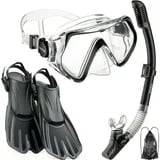
Amanda's Favorite Walmart Swimming, Surfing and Scuba Diving Find's
Connect
Join our community
Contact
info@getoutsideandplayusa.com
© 2025. All rights reserved.