Add your promotional text...

Chasing Waterfalls: My Favorite Washington Adventures
Chasing Waterfalls in Washington takes you on an unforgettable journey to some of the most beautiful waterfalls in the Pacific Northwest. Discover scenic hikes, hidden gems, family-friendly stops, travel tips, directions, what to expect on the trails, and the best times to visit. From roaring cascades to peaceful forest falls, this guide also covers waterfall chasing essentials, packing tips, photography gear, and fun gift ideas for outdoor adventurers exploring Washington State.
WASHINGTON TRAVEL
Get Outside and Play USA
5/8/202429 min read


There’s something hypnotic about a waterfall — the steady roar, the wild spray on your cheeks, the way sunlight bends through the mist like it’s trying to make magic. Every time I find one, it’s as if time slows down for a moment. The world narrows to sound, air, and motion — and suddenly I remember why I love being outside so much.
Here in Washington, waterfalls aren’t rare treasures; they’re part of the landscape’s heartbeat. Some hide deep in mossy forests, others tumble beside highways, all whispering the same invitation: Come find me. I’ve taken that invitation to heart and made it my personal mission to chase as many as I can — and I’d love to share a few of my favorites.
Sol Duc Falls – A Forest Fairytale
If there were ever a waterfall that felt like it belonged in the pages of a storybook, Sol Duc Falls would be it. Tucked away in the lush forests of Olympic National Park, this breathtaking waterfall is one of Washington's most photographed natural wonders—and for good reason. Moss-covered trees, towering evergreens, wooden bridges, and the soothing sounds of rushing water create a magical atmosphere that feels worlds away from everyday life.
Whether you're an experienced hiker or simply looking for a beautiful family-friendly adventure, Sol Duc Falls is a destination that belongs on every Washington waterfall bucket list.
Location
Sol Duc Falls is located within Olympic National Park near the small community of Sol Duc, approximately 40 minutes west of Port Angeles.
Trailhead: Sol Duc Falls Trailhead
Nearest Town: Port Angeles, Washington
Visitors should be aware that an Olympic National Park entrance pass is required to access the area.
Trail Information
Distance: Approximately 1.6 miles round trip
Elevation Gain: About 200 feet
Difficulty: Easy
Estimated Hiking Time: 45 minutes to 1.5 hours
Trail Surface: Well-maintained dirt trail with some roots, boardwalk sections, and gentle inclines
This hike is suitable for most ages and fitness levels, making it one of the best waterfall hikes in Olympic National Park for families and casual hikers.
What to Expect
The journey to Sol Duc Falls is almost as memorable as the waterfall itself. The trail winds through an enchanting old-growth forest filled with towering Douglas firs, western hemlocks, towering cedars, vibrant ferns, and thick blankets of emerald moss that cover nearly everything in sight.
As you approach the falls, the sound of rushing water grows louder until you arrive at the famous pedestrian bridge suspended above the canyon. From here, you'll witness the Sol Duc River splitting into several powerful streams before plunging nearly 50 feet into a narrow, moss-covered gorge below. The multiple cascades create a dramatic display unlike many other waterfalls in Washington, making this one of the most unique stops in the state.
Take your time crossing the bridge and viewing the falls from different angles. Every perspective offers another postcard-worthy photo.
Best Time to Visit
Sol Duc Falls is beautiful year-round, but each season offers something a little different.
Spring: Powerful water flow from snowmelt and vibrant green forests.
Summer: Pleasant temperatures and easy trail conditions, though this is the busiest season.
Fall: Brilliant autumn colors and fewer visitors make for a peaceful experience.
Winter: Quiet, misty, and incredibly atmospheric, though weather conditions can make travel more challenging.
For the most peaceful visit, arrive early in the morning or later in the afternoon, especially during the summer months.
Photography Tips
Bring your camera—you'll want plenty of memory space.
The pedestrian bridge provides the classic postcard view of Sol Duc Falls, but don't stop there. Experiment with different angles along the nearby viewpoints to capture the surrounding forest and dramatic canyon.
Cloudy days often produce the best waterfall photographs by creating soft, even lighting without harsh shadows. If your camera allows long-exposure photography, you can create the silky-water effect that makes waterfall images so striking.
Family Friendliness
Sol Duc Falls is an excellent choice for families.
The trail is relatively short, well-marked, and manageable for children who enjoy walking. Young explorers often love spotting mushrooms, mosses, birds, and the enormous trees that line the trail. While strollers aren't recommended because of roots and uneven terrain, most children can comfortably complete the hike.
Dogs are not permitted on trails within Olympic National Park, so be sure to leave pets at home when planning your visit.
What to Bring
Washington weather can change quickly, even during summer.
Consider bringing:
Comfortable hiking shoes with good traction
Water and light snacks
A light rain jacket
Bug spray during warmer months
Camera or smartphone
Extra layers if visiting in spring, fall, or winter
Safety Tips
Although this is considered an easy hike, visitors should remain cautious around the waterfall.
Stay on designated trails and viewing areas.
Rocks near the falls and bridge can become extremely slippery from mist.
Never climb over safety barriers or attempt to reach the river below.
Watch children carefully near the bridge and viewpoints.
Pack out everything you bring to help preserve this beautiful natural area.
Nearby Attractions
If you're already exploring this part of Olympic National Park, consider adding a few nearby stops to your adventure:
Sol Duc Hot Springs Resort
Ancient Groves Nature Trail
Lake Crescent
Marymere Falls
Crescent Beach
Rialto Beach
Hoh Rain Forest
Hurricane Ridge (seasonal access)
It's easy to turn a visit to Sol Duc Falls into a full day—or even a weekend—filled with unforgettable Olympic Peninsula adventures.
This post may contain affiliate links, including links from Amazon, Walmart, and other affiliate partners. This means that if you click on a link and make a purchase, I may earn a small commission at no additional cost to you. As an Amazon Associate, I earn from qualifying purchases. I only recommend products I genuinely believe add value to outdoor adventures.


Snoqualmie Falls: Washington's Most Famous Waterfall
Few places capture the beauty of Washington quite like Snoqualmie Falls. Plunging an impressive 268 feet into the Snoqualmie River below, this breathtaking waterfall is one of the most recognizable landmarks in the Pacific Northwest. Located less than an hour from Seattle, it's the perfect destination for a quick day trip, a family outing, or the first stop on a waterfall-chasing adventure.
Unlike many waterfalls that require long hikes to reach, Snoqualmie Falls offers incredible views just steps from the parking area while also providing a scenic trail for those wanting to experience the falls from below.
Location
Snoqualmie Falls is located in the city of Snoqualmie, about 30 miles east of Seattle along Interstate 90.
Nearest Town: Snoqualmie, Washington
The upper observation deck is easily accessible from the main parking area, and additional viewpoints can be reached via a short hiking trail.
Trail Information
Distance: Approximately 1.4 miles round trip (to the lower observation area and back)
Elevation Gain: About 330 feet
Difficulty: Easy to Moderate
Estimated Hiking Time: 45 minutes to 1 hour
Trail Surface: Paved sections, packed dirt, and stairs with some steep portions
Visitors who prefer not to hike can still enjoy spectacular panoramic views from the upper observation deck, making Snoqualmie Falls one of the most accessible waterfalls in Washington.
What to Expect
The moment you step onto the upper observation deck, you'll understand why Snoqualmie Falls has become one of Washington's most visited natural attractions. Millions of gallons of water pour over the cliff every day, creating a thunderous roar and a mist that often rises high into the air.
On sunny days, colorful rainbows frequently appear in the mist, making the views even more spectacular. The overlook provides incredible panoramic views of the waterfall, the river gorge, and the surrounding evergreen forests.
For those who continue down the trail, the lower viewing platform offers an entirely different perspective. Standing near the base of the falls, you'll truly appreciate the immense power and height of the cascading water. The cool mist, rushing river, and towering cliffs create an unforgettable experience.
Best Time to Visit
Snoqualmie Falls is beautiful during every season.
Spring: Peak water flow from mountain snowmelt creates a dramatic display.
Summer: Warm weather and lush greenery make for an enjoyable visit, though it can be busy.
Fall: Crisp air, colorful foliage, and smaller crowds offer excellent photography opportunities.
Winter: Heavy rainfall often produces incredible water flow, while occasional snow transforms the landscape into a winter wonderland.
If you prefer fewer crowds, consider visiting early in the morning or on a weekday.
Photography Tips
Bring your camera because Snoqualmie Falls is one of the most photogenic locations in Washington.
The upper observation deck offers sweeping views that capture the full height of the waterfall, while the lower viewing platform provides dramatic close-up images of the cascading water and mist.
Morning light often provides beautiful conditions for photography, and overcast days help reduce harsh shadows while enhancing the rich greens of the surrounding forest. If conditions are right, keep an eye out for rainbows forming in the mist.
Family Friendliness
Snoqualmie Falls is one of the best waterfall destinations in Washington for families.
The upper viewing area is paved and easily accessible, making it suitable for visitors of nearly all ages and mobility levels. Families with young children can enjoy incredible views without completing the hike.
The trail to the lower observation area is manageable for many families but includes a fairly steep return climb. Be sure to plan accordingly if hiking with small children or anyone who may have difficulty with the incline.
Dogs are welcome in designated outdoor areas as long as they remain leashed and owners clean up after them.
What to Bring
Washington's weather can change quickly, especially near waterfalls where mist keeps the air cool.
Consider bringing:
Comfortable walking or hiking shoes
Water
Light snacks
Rain jacket or waterproof layer
Camera or smartphone
An extra layer during cooler months
Safety Tips
Snoqualmie Falls is easy to visit, but it's still important to stay aware of your surroundings.
Stay behind all safety railings and barriers.
Never attempt to climb over fences for photos.
Watch for slippery surfaces near viewpoints, especially after rain.
Keep children close near overlooks and along the trail.
Help protect this beautiful destination by packing out any trash and staying on designated pathways.
Nearby Attractions
There's plenty to explore before or after your visit to Snoqualmie Falls.
Historic downtown Snoqualmie
Northwest Railway Museum
Snoqualmie Depot
Snoqualmie Valley Trail
Meadowbrook Farm Preserve
Rattlesnake Lake
Rattlesnake Ledge Trail
Twin Falls
North Bend
Olallie State Park
Together, these destinations make for an unforgettable day exploring the Snoqualmie Valley.
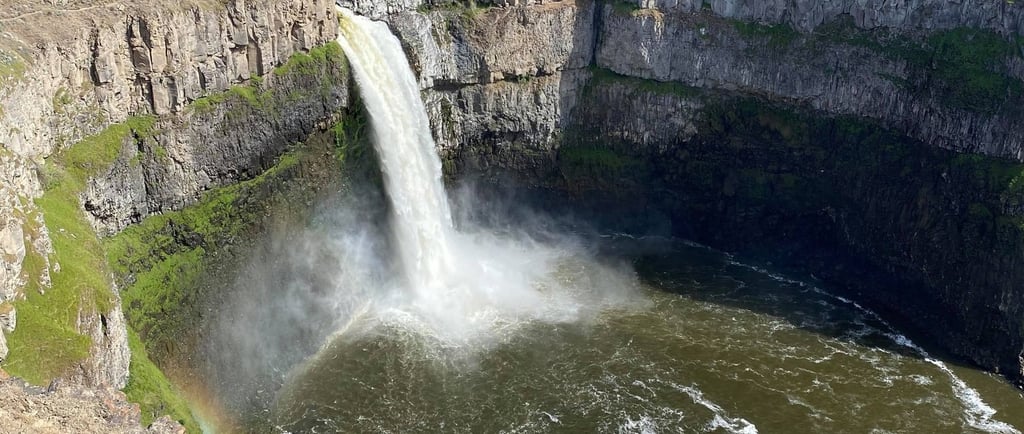
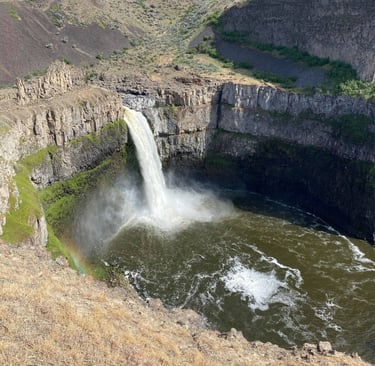
Palouse Falls – Desert Drama
Rising dramatically from the rugged canyonlands of southeastern Washington, Palouse Falls is one of the state's most awe-inspiring natural wonders. Unlike the lush forest waterfalls found on the Olympic Peninsula or in the Cascade Mountains, Palouse Falls showcases a completely different side of Washington. Here, towering basalt cliffs, sweeping desert landscapes, and the powerful Palouse River combine to create a breathtaking scene that feels almost otherworldly.
At 198 feet tall, Palouse Falls is the official state waterfall of Washington and remains one of the last active waterfalls along the path carved by the massive Ice Age floods thousands of years ago. Whether you're visiting for the scenery, photography, or simply to witness one of the Pacific Northwest's most unique landscapes, this destination deserves a spot on every waterfall bucket list.
Location
Palouse Falls is located within Palouse Falls State Park in southeastern Washington, approximately 30 miles southeast of Washtucna and about an hour and a half north of the Tri-Cities.
Nearest Town: Washtucna, Washington
The falls are easily reached by car, and the main viewpoints are only a short walk from the parking area.
Trail Information
Distance: Less than 0.5 miles of walking to official viewpoints
Elevation Gain: Minimal
Difficulty: Easy
Estimated Walking Time: 15–30 minutes
Trail Surface: Paved pathways, gravel walkways, and packed dirt
While there are a few short trails leading to designated overlooks, visitors should remain on marked paths. The steep canyon walls and unstable cliffs make venturing beyond barriers extremely dangerous.
What to Expect
The first glimpse of Palouse Falls is unforgettable. The Palouse River suddenly plunges nearly 200 feet into a deep basalt canyon before continuing through a dramatic landscape shaped by ancient floods. The contrast between the roaring waterfall and the surrounding desert terrain makes this one of the most distinctive waterfalls in Washington.
Several scenic overlooks provide different perspectives of the falls and canyon. Each viewpoint reveals new angles of the towering cliffs, winding river, and rugged rock formations that tell the story of the region's geologic past.
During spring, the surrounding hills often come alive with patches of green and colorful wildflowers. By late summer, the golden grasses and warm earth tones create a striking contrast against the blue sky and rushing water.
The park is also an excellent place to watch birds soaring through the canyon or simply enjoy the peaceful silence that surrounds this remote landscape.
Best Time to Visit
Palouse Falls offers spectacular scenery throughout the year.
Spring: Strong water flow, blooming wildflowers, and comfortable temperatures.
Early Summer: Excellent weather with vibrant scenery and long daylight hours.
Fall: Cooler temperatures and beautiful golden hues throughout the canyon.
Winter: Fewer visitors and dramatic scenery, though weather conditions may occasionally affect road access.
Sunrise and sunset are especially popular with photographers, as the changing light brings out the rich colors and textures of the basalt cliffs.


Wallace Falls – The Cascade Climb
If you're looking for a waterfall hike that rewards every step with incredible scenery, Wallace Falls is hard to beat. Nestled within the western foothills of the Cascade Mountains, this stunning series of waterfalls tumbles more than 260 feet through a lush evergreen forest, creating one of Washington's most popular hiking destinations. The combination of rushing water, towering trees, moss-covered rocks, and mountain views makes this hike feel like the Pacific Northwest at its finest.
Wallace Falls offers something for everyone. Whether you're stopping at the Lower Falls for a shorter adventure or continuing to the Upper Falls for breathtaking panoramic views, you'll quickly see why this trail has become a favorite among hikers and waterfall enthusiasts alike.
Location
Wallace Falls is located in Wallace Falls State Park near the town of Gold Bar, about one hour northeast of Seattle along U.S. Highway 2.
Nearest Town: Gold Bar, Washington
A Discover Pass is required for parking within Wallace Falls State Park.
Trail Information
Distance: Approximately 5.6 miles round trip to the Upper Falls viewpoint
Elevation Gain: About 1,300 feet
Difficulty: Moderate
Estimated Hiking Time: 3–4 hours
Trail Surface: Wide, well-maintained dirt trail with gravel sections, roots, switchbacks, and numerous wooden bridges
The trail includes several viewpoints, allowing hikers to customize their adventure depending on time and ability. Many visitors choose to stop at the Lower or Middle Falls, while those continuing to the Upper Falls are rewarded with spectacular views of the surrounding Cascade foothills.
What to Expect
From the moment you step onto the trail, you're surrounded by the sights and sounds of a classic Pacific Northwest forest. Towering Douglas firs, western red cedars, sword ferns, and moss-covered logs line the path as Wallace River flows beside portions of the hike.
The Lower Falls offers the first impressive glimpse of the cascading water and serves as a popular turnaround point for families and casual hikers.
Continuing upward, the Middle Falls viewpoint delivers some of the most dramatic scenery along the trail. Here, multiple cascades thunder through a narrow rocky gorge, creating one of the park's most photographed locations.
Those who continue to the Upper Falls are treated to expansive views as the waterfall pours down the mountainside before disappearing into the forest below. The higher elevation also provides beautiful glimpses of the surrounding Cascade Mountains on clear days.
Expect plenty of elevation gain, but also plenty of opportunities to stop, catch your breath, and enjoy the peaceful surroundings.
Best Time to Visit
Wallace Falls is beautiful throughout the year, with each season offering a different experience.
Spring: Peak water flow from melting snow creates powerful cascades and vibrant green forests.
Summer: Warm temperatures and longer days make for ideal hiking conditions, though the trail is often busiest.
Fall: Colorful foliage and cooler weather provide excellent hiking and photography opportunities.
Winter: The falls remain impressive, and the forest takes on a quiet, misty atmosphere. Trails may become muddy or slippery after rain.
For a quieter experience, visit on weekday mornings or during the shoulder seasons of spring and fall.
Photography Tips
Bring your camera because you'll find beautiful photo opportunities throughout the hike—not just at the waterfalls.
The Middle Falls viewpoint is one of the best locations for capturing the dramatic power of the cascades, while the Upper Falls offers wide scenic views of the surrounding mountains and forest.
Overcast weather is ideal for waterfall photography, helping to reduce glare and bring out the rich greens of the forest. If your camera allows long-exposure photography, you'll be able to create smooth, silky water effects that showcase the movement of the falls.
Family Friendliness
Wallace Falls is a wonderful destination for active families who enjoy hiking.
The Lower Falls viewpoint is a great option for younger hikers looking for a shorter adventure, while older children and experienced hikers often enjoy reaching the Middle or Upper Falls.
Because of the elevation gain, the full hike can be challenging for small children. Strollers and wheelchairs are not suitable for the trail due to uneven terrain and steep sections.
Leashed dogs are welcome on the trail, making Wallace Falls a popular destination for hikers exploring with their four-legged companions.
What to Bring
Prepare for changing mountain weather by packing a few essentials.
Consider bringing:
Comfortable hiking shoes with good traction
Plenty of water
Snacks or a packed lunch
Rain jacket or waterproof layer
Camera or smartphone
Extra layers during cooler months
Trekking poles if you prefer extra stability on the climb
Safety Tips
Wallace Falls is a well-maintained trail, but visitors should always hike with caution.
Stay on designated trails and behind protective barriers.
Never climb on rocks near the waterfalls, as they can be extremely slippery.
Pace yourself during the uphill sections and take breaks when needed.
Watch for exposed roots and uneven footing throughout the hike.
Carry out everything you bring to help preserve this beautiful state park.
Nearby Attractions
If you're spending the day along Highway 2, consider adding a few nearby destinations to your itinerary:
Wallace Falls State Park Railroad Trail
Gold Bar
Heybrook Lookout
Bridal Veil Falls
Lake Serene Trail
Index
Skykomish
Stevens Pass Scenic Byway
Eagle Falls (view from the highway only—use caution near the river)
Wallace Falls pairs perfectly with a day of exploring the scenic Skykomish Valley, where waterfalls, mountain views, and outdoor adventures are never far away.
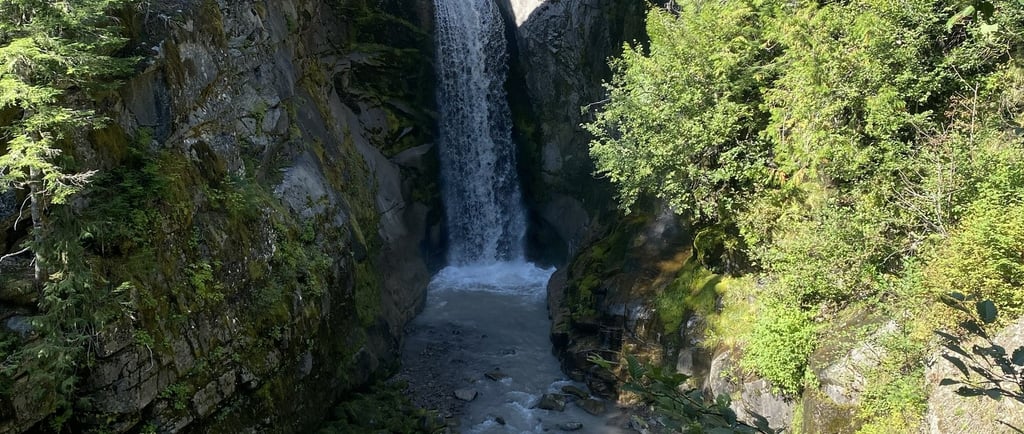
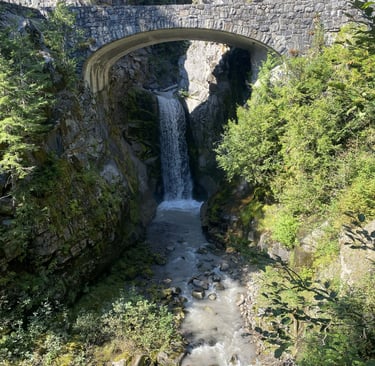
Narada Falls – Mount Rainier’s Secret Jewel
Nestled within the breathtaking landscapes of Mount Rainier National Park, Narada Falls is one of Washington's most spectacular waterfalls. Cascading approximately 188 feet over rugged volcanic cliffs, the falls create a mesmerizing display of rushing water, mist, and vibrant greenery. Easily accessible from the park's scenic Paradise Road, Narada Falls offers visitors an unforgettable experience without requiring a long hike, making it a favorite stop for families, photographers, and waterfall chasers alike.
Fed by the icy waters of Mount Rainier's glaciers, the waterfall flows year-round, offering a different but equally beautiful experience with every season.
Location
Narada Falls is located within Mount Rainier National Park along Stevens Canyon Road (Paradise Road), approximately 11 miles from the Nisqually Entrance and just a few miles west of the Paradise Visitor Center.
Nearest Community: Paradise, Mount Rainier National Park
A Mount Rainier National Park entrance pass or qualifying federal recreation pass is required to enter the park.
Trail Information
Distance: Approximately 0.2 miles round trip to the lower viewpoint
Elevation Gain: About 100 feet
Difficulty: Easy
Estimated Walking Time: 15–30 minutes
Trail Surface: Paved walkways with stairs and short sections of uneven pavement
Visitors descend a short series of paved pathways and stone steps to reach the famous viewpoint near the base of the falls. While the walk down is easy, the return climb is slightly steeper but manageable for most visitors.
What to Expect
Narada Falls delivers an incredible payoff almost immediately. From the parking area, visitors can hear the roar of the cascading water before catching their first glimpse of the falls plunging dramatically into the rocky canyon below.
A picturesque stone bridge crosses the river beneath the waterfall, providing one of the most iconic views in Mount Rainier National Park. Standing on the bridge, you'll feel the cool mist rising from the powerful cascade while taking in the surrounding cliffs, towering evergreens, and colorful wildflowers that bloom during the summer months.
On clear days, Mount Rainier often provides a stunning backdrop, adding even more beauty to an already unforgettable setting.
Because of its accessibility and incredible scenery, Narada Falls is one of the park's most photographed waterfalls—and once you visit, it's easy to understand why.
Best Time to Visit
Narada Falls is beautiful throughout the year, but each season offers its own unique charm.
Spring: Snowmelt creates powerful water flow, while the surrounding forest begins to awaken.
Summer: Warm temperatures, blooming wildflowers, and reliable road access make this the most popular time to visit.
Fall: Crisp air, colorful foliage, and fewer crowds provide a peaceful experience.
Winter: The waterfall often becomes surrounded by snow and ice, creating a breathtaking winter scene. Winter access depends on road conditions and seasonal closures within the park.
Morning visits often provide the best lighting and smaller crowds during peak summer months.
Photography Tips
Narada Falls is a paradise for photographers.
The stone bridge offers one of the best compositions, capturing both the waterfall and the dramatic canyon below. Several viewpoints along the paved trail provide excellent opportunities for wide landscape shots as well as close-up images of the rushing water.
Cloudy conditions are ideal for photographing waterfalls, helping preserve detail in both the water and surrounding forest. If you're using a camera with manual settings, a longer exposure can beautifully smooth the rushing water while highlighting the movement of the cascade.
Keep a lens cloth handy, as mist from the falls can quickly collect on camera lenses.
Family Friendliness
Narada Falls is an excellent stop for visitors of all ages.
The short walk from the parking area makes it accessible for most families, although the stairs leading to the lower viewpoint may be challenging for visitors with limited mobility. Children often enjoy feeling the cool mist from the falls and exploring the nearby viewpoints.
Pets are not permitted on trails within Mount Rainier National Park, so plan accordingly if traveling with your four-legged companion.
What to Bring
Weather around Mount Rainier can change quickly, even during summer.
Consider bringing:
Comfortable walking or hiking shoes with good traction
Water
Light snacks
Rain jacket or waterproof layer
Camera or smartphone
Extra layers, as temperatures can be significantly cooler than surrounding lowland areas
Safety Tips
While Narada Falls is easy to access, visitors should always exercise caution.
Stay on designated pathways and behind safety railings.
Rocks and paved surfaces near the falls can become slippery from constant mist.
Watch children closely near overlooks and stairways.
Be prepared for rapidly changing mountain weather.
Help preserve Mount Rainier National Park by packing out all trash and respecting wildlife.
Nearby Attractions
Narada Falls is perfectly located for exploring many of Mount Rainier National Park's most popular destinations.
Paradise Visitor Center
Myrtle Falls
Reflection Lakes
Christine Falls
Longmire Historic District
Bench and Snow Lakes
Skyline Trail
Henry M. Jackson Memorial Visitor Center
Nisqually Vista Trail
Many visitors combine several of these attractions into an unforgettable day exploring one of Washington's most iconic national parks.


Lower Lewis River Falls – The Summer Favorite
Lower Lewis River Falls is one of those places that perfectly captures the spirit of a Pacific Northwest summer. Unlike many waterfalls tucked deep into the mountains, this beautiful cascade is easy to reach and invites visitors to slow down and enjoy the day. With crystal-clear water, scenic rock formations, and a wide, powerful waterfall stretching across the Lewis River, it's no surprise this destination has become a favorite for families, photographers, and outdoor enthusiasts alike.
Whether you're looking for a relaxing picnic, a scenic walk, or simply a place to enjoy the beauty of nature, Lower Lewis River Falls is a stop you'll want to add to your Washington waterfall adventure.
Location
Lower Lewis River Falls is located within the Gifford Pinchot National Forest in southwest Washington, approximately 16 miles east of Cougar along Lewis River Road (Forest Road 90).
Nearest Town: Cougar, Washington
The falls are easily accessible from a nearby parking area, making them one of the most convenient waterfalls to visit in the region.
Trail Information
Distance: Approximately 0.3 miles round trip
Elevation Gain: Minimal
Difficulty: Easy
Estimated Walking Time: 10–20 minutes
Trail Surface: Paved pathways, packed dirt, and short sections with stairs
The short walk to the viewing areas makes this an excellent destination for visitors of nearly all ages and hiking abilities.
What to Expect
Lower Lewis River Falls may not be the tallest waterfall in Washington, but it more than makes up for it with its impressive width and beauty. The Lewis River spreads across a broad basalt ledge before cascading roughly 43 feet into a beautiful emerald pool below, creating a picture-perfect setting surrounded by towering evergreen forests.
Several viewpoints offer excellent opportunities to admire the falls from different angles. Wooden walkways and observation areas provide safe places to stop and enjoy the scenery, while nearby picnic tables make it easy to spend an afternoon relaxing by the river.
During the warmer months, visitors often gather along the shoreline to enjoy the peaceful setting. While the river can appear calm, strong currents and cold water remain present year-round, so it's important to admire the beauty from a safe distance.
Best Time to Visit
Lower Lewis River Falls is beautiful throughout the year, with each season offering something unique.
Spring: Strong water flow from snowmelt creates an impressive display.
Summer: Warm weather, lush forests, and easy access make this the most popular time to visit.
Fall: Vibrant autumn colors add beautiful contrast to the surrounding evergreens.
Winter: Frequent rainfall increases the waterfall's volume while creating a peaceful, uncrowded atmosphere.
Weekday mornings are often the best time to enjoy the falls with fewer visitors.
Photography Tips
Bring your camera because Lower Lewis River Falls is incredibly photogenic.
The main viewing platform provides wide-angle views that showcase the entire waterfall, while lower viewpoints allow photographers to capture the movement of the water against the surrounding rocks and forest.
Early morning and late afternoon provide softer lighting, while overcast skies help bring out the rich greens of the forest and reduce glare on the water. A tripod can help create beautiful long-exposure images that give the waterfall its signature silky appearance.
Family Friendliness
Lower Lewis River Falls is an excellent destination for families.
The short, easy walk makes it suitable for children, older adults, and visitors looking for a relaxing outdoor experience. Picnic areas, open spaces, and accessible viewpoints make it easy to spend several hours enjoying the surroundings.
Leashed dogs are welcome, making this a great stop for visitors traveling with their pets.
What to Bring
A little preparation will help make your visit even more enjoyable.
Consider bringing:
Comfortable walking shoes
Water
Snacks or a picnic lunch
Light rain jacket
Camera or smartphone
Sunscreen and insect repellent during the summer months
Safety Tips
Although the trail is short and easy, visitors should always respect the power of the river.
Stay on designated trails and observation areas.
Never climb onto wet rocks near the waterfall.
The Lewis River has strong currents and very cold water, even during summer.
Supervise children closely near the river and viewing areas.
Help keep the forest beautiful by packing out everything you bring with you.
Nearby Attractions
There are plenty of incredible destinations nearby that pair perfectly with a visit to Lower Lewis River Falls.
Upper Lewis River Falls
Curly Creek Falls
Panther Creek Falls
Ape Cave
Lava Canyon
Mount St. Helens National Volcanic Monument
Merrill Lake
Yale Lake
Swift Reservoir
Cougar, Washington
This scenic corner of southwest Washington is filled with waterfalls, volcanic landscapes, and forest adventures, making it easy to turn a quick stop at Lower Lewis River Falls into an unforgettable day exploring the Lewis River Valley.


Rainbow Falls – North Cascades Majesty
Nestled among the rugged peaks and evergreen forests of the North Cascades, Rainbow Falls is one of Washington's most impressive roadside waterfalls. Fed by the waters of the Chewuch River, this powerful 312-foot cascade plunges down a steep granite cliff, creating a spectacular display that can be enjoyed with little effort. Its towering height, dramatic setting, and easy accessibility make Rainbow Falls a must-see destination for anyone exploring the Methow Valley.
Whether you're passing through on a scenic drive or spending a few days discovering the North Cascades, Rainbow Falls offers a memorable stop that showcases the wild beauty of north-central Washington.
Location
Rainbow Falls is located in Rainbow Falls State Park near the town of Winthrop along State Route 20, also known as the North Cascades Highway.
Nearest Town: Winthrop, Washington
The waterfall is conveniently located just off the highway, with a parking area and short walking paths leading to the viewpoints.
Trail Information
Distance: Approximately 0.3 miles round trip
Elevation Gain: Minimal
Difficulty: Easy
Estimated Walking Time: 10–20 minutes
Trail Surface: Paved and well-maintained pathways with short gravel sections
The easy walk makes this waterfall an excellent stop for travelers of all ages and abilities.
What to Expect
Rainbow Falls makes an immediate impression. Water rushes over the towering cliff in a single dramatic drop before crashing into the rocky canyon below, filling the air with a refreshing mist and the unmistakable sound of rushing water.
A viewing bridge spans the canyon, providing one of the best vantage points of the waterfall. From here, visitors can appreciate both the incredible height of the falls and the rugged landscape carved by centuries of flowing water.
During the spring and early summer, snowmelt from the surrounding mountains dramatically increases the waterfall's flow, creating an even more impressive display. On sunny afternoons, mist rising from the base of the falls often creates the colorful rainbows that inspired the waterfall's name.
Surrounded by towering pines, rocky cliffs, and mountain scenery, Rainbow Falls is a perfect reminder of the diverse landscapes found throughout Washington.
Best Time to Visit
Rainbow Falls is beautiful throughout the year, though each season offers a unique experience.
Spring: Peak water flow from melting snow creates a thunderous cascade.
Summer: Warm temperatures and easy road access make this the most popular season.
Fall: Crisp air and colorful foliage provide beautiful scenery with fewer visitors.
Winter: Snow-covered forests create a peaceful setting, though weather and road conditions should be checked before traveling.
Morning and late afternoon often provide the best lighting for photography and a quieter experience.
Photography Tips
Rainbow Falls offers incredible photographic opportunities from several viewpoints.
The pedestrian bridge provides the classic composition, capturing the full height of the waterfall framed by the surrounding canyon walls. Wide-angle lenses work especially well for showcasing the dramatic landscape, while telephoto lenses allow photographers to capture the details of the cascading water.
Cloudy days help reduce harsh shadows and bring out the rich colors of the forest and rock formations. After periods of heavy snowmelt or rainfall, expect even more dramatic water flow.
Family Friendliness
Rainbow Falls is an excellent destination for families.
The short, mostly level walk from the parking area makes it easy for visitors of all ages to enjoy. Children will love watching the powerful waterfall from the bridge and listening to the roar echo through the canyon.
Leashed dogs are welcome in designated areas, making this a great stop for travelers exploring the North Cascades with their pets.
What to Bring
Mountain weather can change quickly, even during summer.
Consider bringing:
Comfortable walking shoes
Water
Light snacks
Camera or smartphone
Light jacket or rain shell
Sunglasses and sunscreen during warmer months
Safety Tips
Rainbow Falls is easily accessible, but visitors should still use caution.
Stay on designated pathways and observation areas.
Never climb over railings or venture onto the rocks near the waterfall.
Watch children carefully near the viewing bridge and canyon edges.
Be aware that rocks and walkways may become slippery from mist or rain.
Leave the area as beautiful as you found it by packing out all trash.
Nearby Attractions
Make the most of your trip by exploring some of the area's other scenic destinations.
North Cascades Highway Scenic Byway
Winthrop
Pearrygin Lake State Park
Sun Mountain Lodge
Washington Pass Overlook
Mazama
Twisp
Lake Chelan
Methow Valley hiking and biking trails
North Cascades National Park
Rainbow Falls is the perfect stop along one of Washington's most scenic drives, offering visitors a chance to experience the rugged beauty and unforgettable landscapes that make the North Cascades so special.
Rocky Brook Falls – A Hidden Gem on the Olympic Peninsula
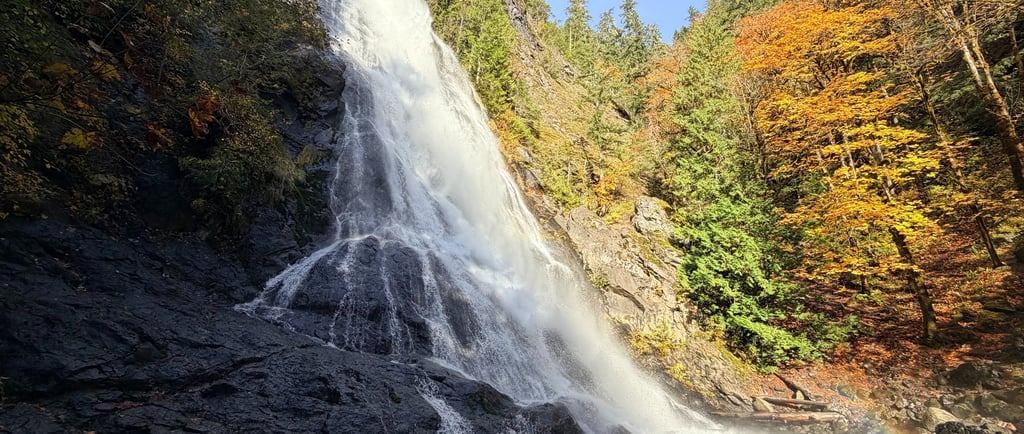
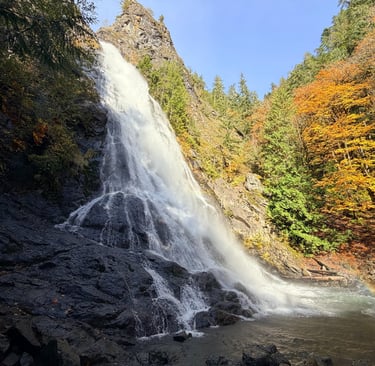
Some waterfalls require miles of hiking to reach, while others reward you almost the moment you step out of your vehicle. Rocky Brook Falls is one of those rare hidden gems. Tucked away near the Hood Canal on Washington's beautiful Olympic Peninsula, this stunning waterfall drops from a hanging valley in a graceful horsetail cascade, creating one of the tallest and most picturesque roadside waterfalls in the region.
Surrounded by towering evergreens, moss-covered boulders, and the peaceful sounds of the forest, Rocky Brook Falls is the perfect stop for travelers exploring the Olympic Peninsula. Its easy access and breathtaking scenery make it an ideal destination for families, photographers, and anyone looking to experience a little Pacific Northwest magic without a strenuous hike.
Location
Rocky Brook Falls is located just off Dosewallips Road near the community of Brinnon on the eastern side of the Olympic Peninsula.
Nearest Town: Brinnon, Washington
From U.S. Highway 101, turn onto Dosewallips Road and drive approximately three miles to a small roadside parking area near Rocky Brook Bridge. The waterfall is only a short walk from the parking area.
Trail Information
Distance: Approximately 0.25 miles round trip
Elevation Gain: Minimal
Difficulty: Easy
Estimated Walking Time: 10–15 minutes
Trail Surface: Short dirt path with mostly level terrain and a few uneven sections
This is more of a scenic walk than a hike, making it one of the easiest waterfalls to visit on the Olympic Peninsula.
What to Expect
The short trail quickly leads through a quiet forest before opening to an incredible view of Rocky Brook Falls. Water spills more than 200 feet down a steep rock face before collecting in a crystal-clear pool surrounded by massive boulders and dense forest. Depending on how the waterfall is measured, the entire cascade extends over several tiers, creating an even more dramatic sight.
The peaceful setting makes it easy to linger. The sound of rushing water echoes through the trees, while moss-covered rocks and towering cedars create the feeling of discovering a secret tucked away from the rest of the world.
During periods of heavy rainfall, the waterfall becomes especially impressive as water fans across the cliff face in a powerful display. In drier months, the flow is lighter but still incredibly scenic. Visitors should note that water flow can occasionally be reduced because part of Rocky Brook supplies a nearby hydroelectric facility.
Best Time to Visit
Rocky Brook Falls is beautiful throughout the year.
Spring: Excellent water flow, vibrant moss, and blooming forest vegetation.
Summer: Easy access and warm weather make this a popular stop while touring the Olympic Peninsula.
Fall: Cooler temperatures and colorful foliage create beautiful scenery.
Winter: Frequent rainfall often produces the strongest waterfall flow and a peaceful atmosphere.
Morning visits often provide the quietest experience and soft lighting for photography.
Photography Tips
Rocky Brook Falls is a favorite among photographers because of its dramatic height and lush surroundings.
Wide-angle shots capture the entire waterfall framed by towering evergreens, while closer compositions highlight the textures of the cascading water, moss-covered cliffs, and scattered boulders.
Cloudy conditions work especially well for photographing waterfalls, helping preserve detail in both the water and surrounding forest. Since mist can settle near the base of the falls, keep a microfiber cloth handy to wipe your camera lens.
Family Friendliness
Rocky Brook Falls is an excellent destination for families.
The walk is short, relatively flat, and easy enough for most visitors, making it a great stop during a day of exploring the Olympic Peninsula. Children often enjoy the quick adventure and the impressive waterfall waiting at the end of the trail.
Leashed dogs are welcome, making this another excellent stop for travelers bringing their four-legged companions.
What to Bring
A few simple essentials will make your visit more comfortable.
Consider bringing:
Comfortable walking shoes with good traction
Water
Camera or smartphone
Light rain jacket
Extra layer during cooler months
Bug spray during the summer
Safety Tips
Although the trail is short, visitors should still use caution.
Stay on the established path.
Rocks near the waterfall are often extremely slippery.
Avoid climbing on boulders around the base of the falls.
Be mindful of changing water conditions after heavy rain.
Pack out everything you bring to help preserve this beautiful natural area.
Nearby Attractions
The Hood Canal and Olympic Peninsula are filled with incredible places to explore nearby.
Dosewallips River
Dosewallips State Park
Mount Walker Viewpoint
Lake Cushman
Staircase Area of Olympic National Park
Hama Hama Oyster Saloon
Murhut Falls
Lena Lake Trail
Pleasant Harbor Marina
Brinnon
Rocky Brook Falls makes an excellent stop on a scenic drive around the Olympic Peninsula and pairs perfectly with several other waterfalls, hiking trails, and waterfront destinations nearby.
Waterfall Chasing Essentials
There’s something about chasing waterfalls in the Pacific Northwest that sounds magical until you realize you’re halfway down a muddy trail wondering why you thought regular sneakers were a good idea. Trust me on this one — a solid pair of waterproof hiking boots or trail shoes with slip-resistant soles can save you from turning your waterfall adventure into an accidental Olympic ice-skating routine on wet rocks. Between moss-covered paths, puddles deeper than they look, and surprise mud pits that seem personally offended by clean clothes, good footwear is absolutely worth it. Pair them with moisture-wicking hiking socks, because wet cotton socks are basically nature’s way of testing your patience.
If you’ve ever climbed back uphill from a waterfall viewpoint and questioned every life choice you’ve made, you’ll understand why I always recommend trekking poles. They help on muddy switchbacks, slippery roots, and those uneven trails that somehow become ten times harder on the way back up. Plus, they make you look outdoorsy and prepared…hey! It's important lol.
And because this is the Pacific Northwest, where weather forecasts are more of a “creative suggestion,” a lightweight rain jacket or poncho belongs in every waterfall-chasing bag. One minute it’s sunny enough for photos, the next minute you’re standing in sideways mist wondering if the waterfall itself has declared war on your outfit. Staying dry makes the whole adventure a lot more fun — especially if you’re hopping between multiple waterfall stops in one day.
Speaking of photos, waterfalls and electronics have a very dramatic relationship. A waterproof phone case is one of those things you don’t appreciate until mist starts collecting on your screen while you’re leaning over a railing trying to capture “the perfect shot.” If you’re bringing a camera, a camera rain cover is a lifesaver during heavy spray, and a lens cleaning kit helps wipe away those mysterious water droplets that somehow appear in every photo no matter how careful you are. I also love carrying a compact travel tripod for those silky waterfall shots everyone secretly wants for Instagram, Pinterest, or just to prove they actually went outside and touched grass for once.
One thing people always underestimate is how wet everything gets near waterfalls — not just you, but your gear too. A waterproof or water-resistant daypack makes a huge difference, especially when you’re carrying snacks, extra layers, and camera gear. Inside mine, I always toss a few dry bags for phones, wallets, and cameras because waterfall mist has a sneaky way of finding electronics faster than toddlers find candy.
Hydration matters more than people think, especially on longer waterfall hikes where elevation gain starts humbling everybody in the group. A hydration pack or reusable water bottle keeps you going without constantly digging through your backpack every ten minutes. Bonus points if you fill it with ice water before the drive — post-hike cold water feels like a reward from the universe.
For comfort, a quick-dry hat or cap helps with both sun and drizzle, and a microfiber travel towel is surprisingly useful after getting blasted by waterfall spray or sitting on damp rocks for photos. It also comes in handy when someone in the group inevitably says, “I’m just going to step a little closer,” right before getting soaked.
And finally — don’t let the dreamy forest setting fool you. Mosquitoes and bugs absolutely know where the scenic spots are. A good bug spray or insect repellent can save your sanity during warmer months, especially near slower-moving water and shaded trails. I also keep reef-safe sunscreen in my pack because even cloudy Pacific Northwest days can leave you sunburned faster than you’d expect, especially around reflective water and exposed viewpoints.
Waterfall chasing is one of the best ways to experience the Pacific Northwest, but having the right gear can turn a soggy, slippery struggle into an unforgettable adventure. Besides, the better prepared you are, the more time you get to enjoy the roar of the falls instead of wondering why your socks sound squishy.
Gift Ideas For The Waterfall Chaser
And if you happen to know someone who plans entire road trips around waterfalls, misty hiking trails, and “just one more scenic stop,” there are some pretty fun gift ideas that waterfall lovers genuinely get excited about. A classic enamel camping mug is always a solid choice because somehow coffee tastes better when you’re standing beside a roaring waterfall at 7 a.m. wrapped in a hoodie pretending you’re on a wilderness documentary. They’re lightweight, durable, and perfect for early morning trailhead starts or campground evenings after a long day of exploring.
I also love the idea of outdoor adventure stickers or decals for water bottles, coolers, travel bins, laptops, or even the back window of a road trip vehicle. Waterfall chasers tend to collect memories the same way hikers collect rocks they swear they’re not bringing home. It’s a fun little way to show off favorite adventures and outdoor obsessions without saying a word.
And honestly, you can never go wrong with cozy “Waterfall Chaser” apparel. Hoodies, beanies, graphic tees, or comfy sweatshirts fit perfectly into the whole Pacific Northwest adventure vibe — especially on those cool misty mornings when the trails are quiet and the waterfalls are roaring from fresh rain. Besides, once someone starts chasing waterfalls regularly, it quickly becomes less of a hobby and more of a personality trait.
Final Thoughts
There is something about a waterfall that keeps calling us back.
People will wake up before sunrise, drive winding mountain roads, and hike muddy trails just to spend a few moments standing beside rushing water. It isn't just about the view. It's something deeper than that.
Maybe it's the way a waterfall reminds us that life never stands still.
The water doesn't stop when it encounters a rock in its path. It doesn't turn around when the terrain becomes steep. It keeps moving forward, finding a way through every twist, turn, and obstacle along the journey. Standing beside a waterfall can feel like a quiet reminder that we can do the same.
As the water tumbles over the edge, it seems to carry away the noise of everyday life. Worries become smaller. The endless list of things waiting at home fades into the background. For a few precious moments, there is nothing to do except listen.
And somehow, that feels like enough.
A waterfall never holds back. It pours freely over cliffs and ledges, creating a display of power, beauty, and motion that has existed long before any trail, road, or viewpoint was built. It reminds us that nature was never designed to be controlled. It was designed to be experienced.
Perhaps that is why standing beside a waterfall feels so refreshing. The water that begins its journey at the top is not the same water that reaches the bottom. It changes as it travels, carving canyons, shaping landscapes, and leaving its mark on everything it touches.
People aren't much different.
Every adventure, every challenge, every unexpected turn in the road leaves its mark on us too.
Maybe the lesson of a waterfall is not found in the destination at all. Maybe it is found in the courage to keep moving forward, even when we can't see what lies beyond the next bend. Maybe it is found in learning to let go of what no longer serves us and trusting that the path ahead will reveal itself in time.
Or maybe waterfalls simply remind us to slow down.
To breathe.
To look up.
To feel the cool mist on our skin and remember that there is still wonder in the world.
Whatever the reason, waterfalls have a way of staying with us long after the hike is over and the drive home begins.
Perhaps that is their greatest gift.
Not the photographs we take or the miles we travel to reach them, but the way they quietly remind us that life is meant to move, to grow, and to keep flowing forward.
And that may be the real reason we chase waterfalls—not just to see them, but to remember something about ourselves along the way.
Connect
Join our community
Contact
info@getoutsideandplayusa.com
© 2025. All rights reserved.