Add your promotional text...

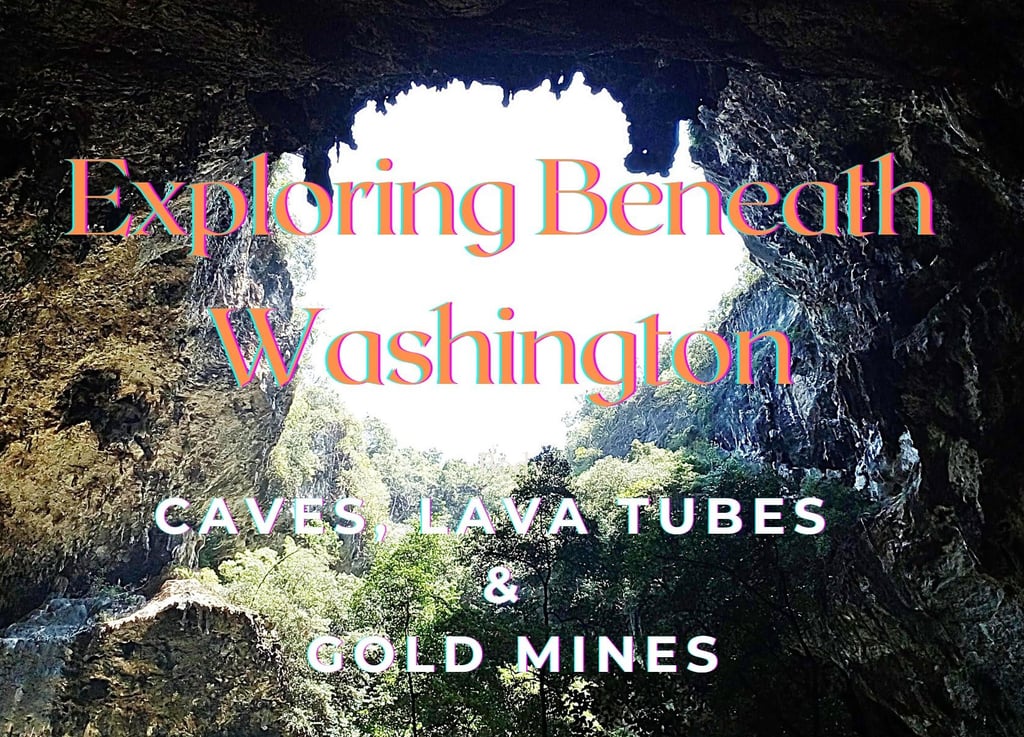
Exploring Beneath Washington: Caves, Lava Tubes & Gold Mine Tours
Where cool air, echoing chambers, and glimmers of gold wait below the Evergreen canopy. There’s something timeless about stepping beneath the surface of the earth. The air turns crisp, the light fades, and for a moment you’re no longer in modern Washington — you’re an explorer following ancient paths carved by fire, water, and time. From lava tubes near Mount St. Helens to historic gold mines tucked into river valleys, Washington’s underground adventures invite curiosity, respect, and preparation. I’ve learned one thing the hard way: caves and mines demand both the right mindset and the right gear. Darkness is absolute. Cold settles deep. Uneven terrain reminds you quickly that preparation isn’t optional — it’s part of the experience.
WASHINGTON TRAVEL
Get Outside and Play USA
12/25/20258 min read
Gardner Cave – Crawford State Park Heritage Site
Stepping into Gardner Cave feels like entering a hidden cathedral. Limestone walls drip slowly, soda straws hang delicately overhead, and the temperature stays a steady 39–42°F year-round. Even on a warm summer day, the underground chill arrives fast — an insulated tactical jacket layered over fleece made all the difference for me.
Gardner Cave is located near Metaline Falls in Northeast Washington, tucked inside Crawford State Park Heritage Site. Tours are guided only and run mid-May through mid-September, closing in colder months to protect bats and fragile formations. Cave tours are free, but a Discover Pass is required for parking.
Lighting inside is controlled by guides, but having my own adjustable-focus rechargeable headlamp clipped and ready gave me peace of mind during entry and exit. Tours last about 45 minutes, involve uneven stone floors, low ceilings, and stairs, and are not ADA accessible. Summer reservations fill quickly, so planning is essential.
This post may contain affiliate links, including links from Amazon, Walmart, and other affiliate partners. This means that if you click on a link and make a purchase, I may earn a small commission at no additional cost to you. As an Amazon Associate, I earn from qualifying purchases. I only recommend products I genuinely believe add value to outdoor adventures.
Ape Cave – Mount St. Helens Lava Tube
Ape Cave is where Washington’s volcanic past becomes unforgettable. Formed by molten lava from Mount St. Helens, this is the third-longest lava tube in North America — and once inside, daylight disappears completely.
Located near Cougar, Washington, Ape Cave is open mid-May through October 31. Entry requires a $5 vehicle pass (or federal recreation pass) plus a $2 reservation fee. Access via Forest Road 83 and Forest Road 8303, with clear signage at the parking area.
I never enter Ape Cave without two light sources: an adjustable rechargeable headlamp and a rechargeable LED flashlight as backup. Lava tubes absorb light, and redundancy isn’t optional. Footing is slick and uneven, especially in the Upper Cave. Columbia Men’s Newton Ridge Plus II waterproof hiking boots, paired with wool hiking socks, keep feet warm and stable, while nitrile-coated work gloves protect hands during scrambles over cooled lava rock.
The Lower Cave is a ¾-mile family-friendly route, while the Upper Cave stretches 1.5 miles and requires climbing over boulder fields. Helmets are strongly recommended — and required for the Upper Cave.
Guler Ice Caves – Trout Lake
Fire created these caves — but ice still lives inside them. Even in August, frozen stalactites cling to the ceiling, shimmering in headlamp beams. Located near Trout Lake in the South Cascades, the Guler Ice Caves are accessible year-round, though May through September offers the safest access.
Parking requires a Northwest Forest Pass, and access follows Forest Road 24 and Forest Road 2612. A short downhill walk leads to the caves.
Cold air settles near the cave floor, so snow hiking and camping pants paired with an insulated tactical jacket help seal warmth in. The rock and ice surfaces can be slick — protective knee pads made it much easier to examine formations safely without discomfort. Bring a headlamp or flashlight; there is no lighting inside.
Boulder Cave – Naches Ranger District
Boulder Cave is one of Washington’s most approachable underground adventures and a great option for families. Located near Naches in Central Washington, the cave is reached via a 1.5-mile round-trip hike alongside the Naches River.
The area is open mid-May through late September, with a $5 day-use fee (Northwest Forest Pass accepted). Forest Road 1706 leads to the signed trailhead.
Darkness arrives quickly inside the cave, making a camping lantern ideal for rest breaks or helping kids adjust to the low light. I carry gear in a foldable waterproof hiking backpack, while a waterproof dry bag and phone case protect electronics from dripping ceilings and damp air. The cave is short, scenic, and often shared with bats — quiet observation is key.
Gold Mining Adventures – Guided & Self-Guided
Washington’s underground story doesn’t end with caves — it continues in river valleys and historic mining regions.
Guided Gold Mining Tours
In areas around Wenatchee and Eastern Washington, guided gold mining tours offer hands-on panning and sluicing experiences. Prices typically start around $60 per person, with seasons running spring through fall.
Expect to get wet. Work gloves protect hands, while carabiner clips keep tools secured to packs. A military-style GPS smartwatch helps track elevation and location, and a waterproof map case keeps paper maps usable near water. A tiny pocket-size first aid guide and emergency survival whistle add lightweight safety without bulk, all easily stored in a multifunctional tactical pouch.
Recreational Gold Panning (Self-Guided)
Self-guided gold panning is allowed in designated areas like Swauk Creek, the Liberty area, and the Sultan River. There’s typically no cost, though a Discover Pass may apply depending on access.
The Gold and Fish Pamphlet from the Washington Department of Fish & Wildlife serves as your permit and outlines seasonal rules. Bring patience, your own equipment, and respect for environmental regulations — mechanized mining is not allowed.
Iron Goat Trail Tunnels – Stevens Pass Area
While not a true cave or mine, the historic tunnels along the Iron Goat Trail near Scenic, Washington, offer a glimpse into the region’s railroad history. Accessed from US-2, this area is free and typically open late in June through October.
Some tunnels remain collapsed and closed — respect all barriers. A flashlight helps illuminate darker sections, and the combination of mountain views and historic stonework makes this a unique stop.
Long exploration days demand reliable power. A high-capacity power bank keeps headlamps, flashlights, and watches charged, while a stainless steel insulated water bottle maintains hydration in cold environments where thirst is easy to miss.
When helmets are required or recommended, hard hats paired with helmet clips for headlamps keep lighting secure, properly aimed, and hands free.
Final Thoughts
Caves and mines are nature’s archives — written slowly, layer by layer beneath our feet. Preparation transforms fear into confidence, and curiosity into connection. When you pack thoughtfully and respect these spaces, underground exploration becomes more than an adventure — it becomes a conversation with the earth itself.
Pack your light, dress for the cold, stay aware, and explore what lies beneath Washington.
Quick Gear Checklist:
Caves, Lava Tubes & Mines
Before heading underground, double-check your pack. The right gear turns a cold, dark space into a confident adventure.
Light & Power
Helmet clips for headlamp (if using a hard hat)
Clothing & Protection
Insulated jacket or tactical outer layer
Snow hiking / camping pants or insulated outdoor
pants
Hard hat (required or recommended in some caves)
Tip: Always carry two light sources per person, tell someone your plan, meaning always let someone know where you are going and when in a cave, don't just wander off by yourself, always verbalize your moves. It is easy to get turned around and lost very quickly. And never enter gated or closed caves.
Packs & Organization
Carabiner clips (for securing tools and gear)
Navigation & Safety
Military GPS smartwatch or GPS device
Waterproof map case (for paper maps)
Essentials
Snacks suitable for cold conditions
Exploring Underground Safely With Kids in Washington
Exploring caves, lava tubes, and historic gold mines in Washington can be an unforgettable experience for kids—but it’s also an environment where staying close truly matters. These are places shaped by nature and time, not playgrounds or parks, and children should always remain within arm’s reach of a trusted adult. Underground spaces can include hidden holes, sudden drop-offs, uneven footing, and narrow passages that aren’t always visible at first glance. Some rocks and minerals can be harmful if touched or handled, and it’s surprisingly easy to lose your sense of direction in low light or winding tunnels.
That said, this doesn’t make underground exploration something to avoid—it makes it something to approach with intention.
When kids stay close, follow simple rules, and explore slowly, caves and lava tubes become powerful learning environments. Children naturally ask questions in these spaces: How did this form? Why is it cold? Where does the tunnel go? Staying together allows parents to guide those moments, turning curiosity into understanding while modeling respect for nature and safety.
Keeping kids beside you also teaches valuable life skills. They learn awareness, patience, listening, and responsibility—skills that don’t always come from open, run-anywhere spaces. Walking carefully, watching where they step, and observing rock textures and formations helps kids develop focus and confidence. It shows them that adventure doesn’t mean chaos—it means paying attention.
Exploring underground also brings history and science to life. Lava tubes tell stories of ancient volcanic activity. Gold mines open conversations about Washington’s past, geology, and the people who once worked deep below the surface. When children experience these places firsthand—guided and protected—they gain a deeper respect for the natural world and the forces that shaped it.
With proper supervision, clear expectations, and a calm pace, caves and mines can be one of the most enriching outdoor classrooms Washington has to offer. Staying close doesn’t limit the adventure—it makes it safer, more meaningful, and far more memorable for the whole family.
What to Pack for Kids Exploring Caves, Lava Tubes & Mines
Safety Essentials
Backup flashlight (small, lightweight)
Protective helmet or hard hat (kid fit)
Knee and elbow pads (optional but helpful)
Clothing & Gear
Long pants (to protect legs from rock scrapes)
Lightweight jacket or hoodie (caves stay cold)
Gloves (thin, grippy work or garden gloves)
Comfort & Preparedness
High-energy snacks (easy to eat, no crumbs)
Compact towel or wipes (mud happens)
Learning & Exploration Extras
Small notebook or nature journal
Pencil (writes better than pen underground)
Simple laminated cave rules card (stay close, no touching funny looking rocks)
Final Thought
There is something unforgettable about standing at the entrance of a cave.
One moment, you're surrounded by sunlight, open skies, and familiar surroundings. Then you're stepping into a world shaped by time, hidden beneath the surface and waiting to be explored.
Caves have a way of awakening our curiosity.
Perhaps it's because we cannot see everything at once. Around every bend is a new chamber, a hidden passage, or a formation that has taken thousands of years to create. The deeper we venture, the more we realize how much remains unseen.
Life can feel a lot like that.
Most of us spend our days focused on what is visible—the routines, responsibilities, and destinations that fill our calendars. Yet some of the most meaningful parts of who we are exist beneath the surface. Our experiences, dreams, memories, and lessons learned along the way quietly shape us.
Caves remind us that not everything important reveals itself immediately.
Some things take time.
Some things require patience.
And some things can only be discovered when we're willing to step beyond what feels familiar.
That can be uncomfortable at first.
The unknown often is.
But every explorer knows that the most memorable discoveries rarely happen by standing at the entrance. They happen when we gather our courage, take a few steps forward, and trust ourselves enough to keep exploring.
Perhaps that's why caves have fascinated people for generations.
They remind us that mystery still exists in the world.
That there are places we have never seen.
Stories we have never heard.
And possibilities we have never imagined.
More importantly, they remind us that there is always more to discover within ourselves as well.
New strengths.
New perspectives.
New dreams waiting to be uncovered.
As you wander through ancient passageways carved by water and time, it's hard not to feel a sense of wonder. The formations surrounding you were not created overnight. They were shaped slowly, one drop at a time, over countless years.
There is a lesson in that.
Growth is often gradual.
Wisdom is often earned.
And some of the most extraordinary things in life are built quietly.
Perhaps that's the real magic of caves—not simply what lies hidden underground, but the reminder that there is always more beneath the surface than first meets the eye.
Connect
Join our community
Contact
info@getoutsideandplayusa.com
© 2025. All rights reserved.