Add your promotional text...

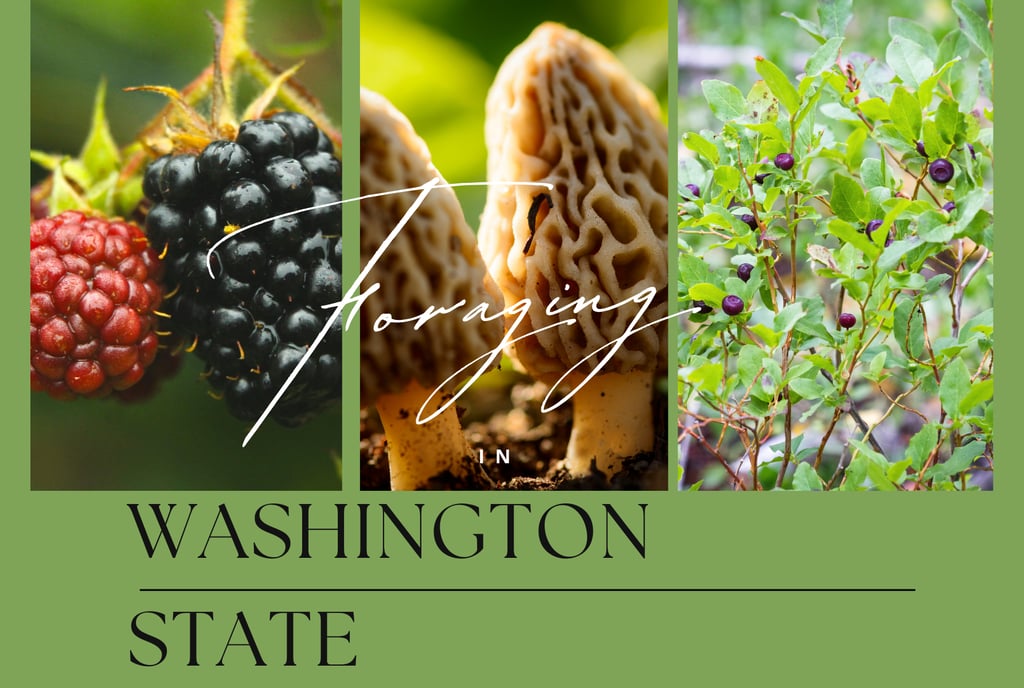
Foraging in Washington State: What to Find, When to Harvest & Where to Look
Finding free food in Washington isn’t just possible—it’s surprisingly easy once you know where to look. From wild berries and edible greens to sought-after mushrooms, the Pacific Northwest is one of the best places in the country to start foraging. But before you head out, a little preparation goes a long way. Knowing what to bring, where to go, and what to look for can turn a simple walk into a successful day of gathering.
OUTDOOR LIFESTYLE & TRAVEL TIPS
Get Outside and Play USA
4/27/20264 min read
This post may contain affiliate links, including links from Amazon, Walmart, and other affiliate partners. This means that if you click on a link and make a purchase, I may earn a small commission at no additional cost to you. As an Amazon Associate, I earn from qualifying purchases. I only recommend products I genuinely believe add value to outdoor adventures and hiking experiences.
There’s something pretty incredible about realizing just how much free food is growing all around you.
In Washington, it’s not just a little here and there—it’s everywhere. Berries lining the sides of trails, mushrooms pushing up through forest floors, edible greens growing quietly in places most people walk right past without ever noticing.
Once you start seeing it, you can’t unsee it.
What used to look like just another walk turns into something completely different. You’re not just out exploring anymore—you’re gathering. Filling a basket. Bringing something home that didn’t come from a store, didn’t cost anything, and somehow tastes better because of it.
But here’s the part most people don’t realize…
You don’t need to be an expert to start. You just need to know what to look for, when to go, and how to be prepared when you find it—because once you do, you’ll wish you brought something to carry it in.
What You’ll Want With You (From Experience)
I’ve had days where I found more than I expected… and nowhere to put it.
Or the wrong shoes. Or no way to clean what I picked. And trust me—it changes the whole experience.
Now I don’t go out without a few simple things that make everything easier:
Foraging basket or bag – Keeps berries from getting crushed and lets air circulate
Mushroom knife or small folding knife – Clean cuts help preserve what you’re harvesting
Mesh bags or breathable containers – Especially important for mushrooms
Gloves – Blackberries will tear your hands up without them
Field guide (PNW plants & mushrooms) – Helps you stay confident in what you’re picking
Waterproof boots – Because Washington = mud
Small brush – For cleaning mushrooms right on the spot
Lightweight daypack – Keeps everything organized while you move
None of it is complicated—but having it with you makes the difference between frustration and a really good day.
10 Things You Can Forage in Washington State (When & Where to Find Them)
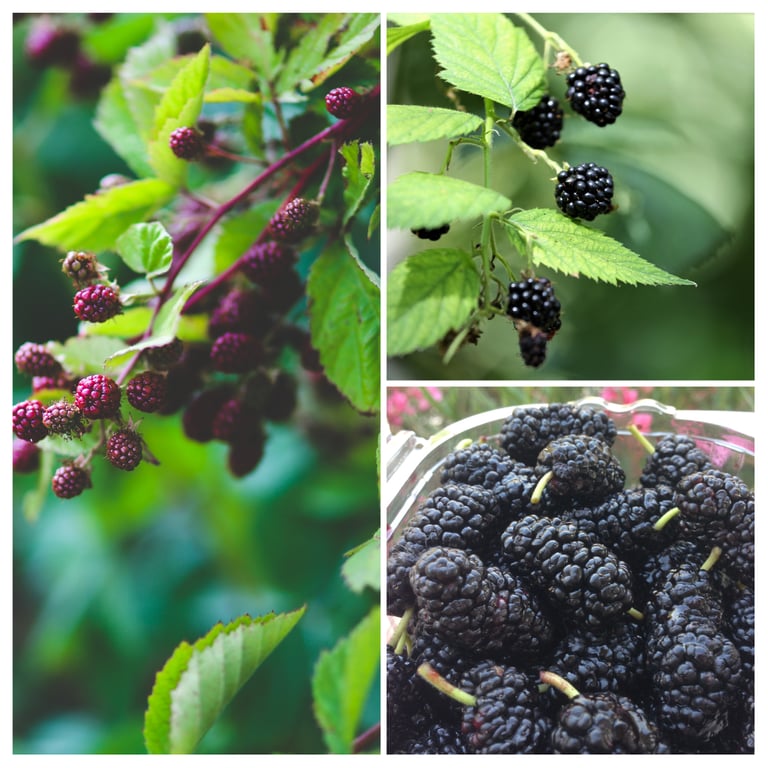
1. Blackberries
Season: July – September
Where to Find Them: Roadsides, trails, open fields across Western Washington
You don’t have to go far for these. Once they ripen, they’re everywhere—and once you start picking, it’s hard to stop.
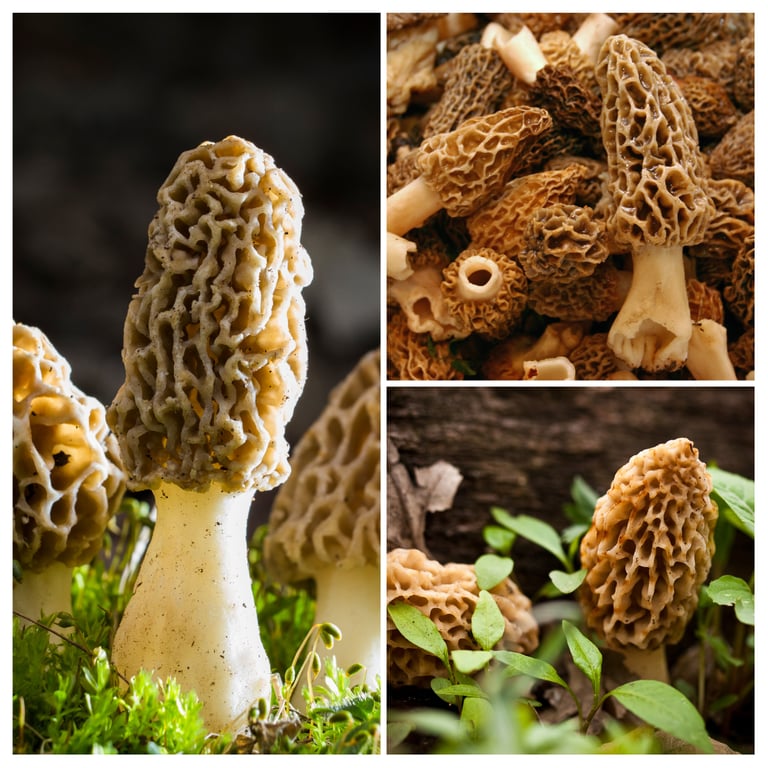
2. Morel Mushrooms
Season: April – June
Where to Find Them: Burn areas, forest floors, Eastern Washington
These take effort—but finding your first one? Worth it.
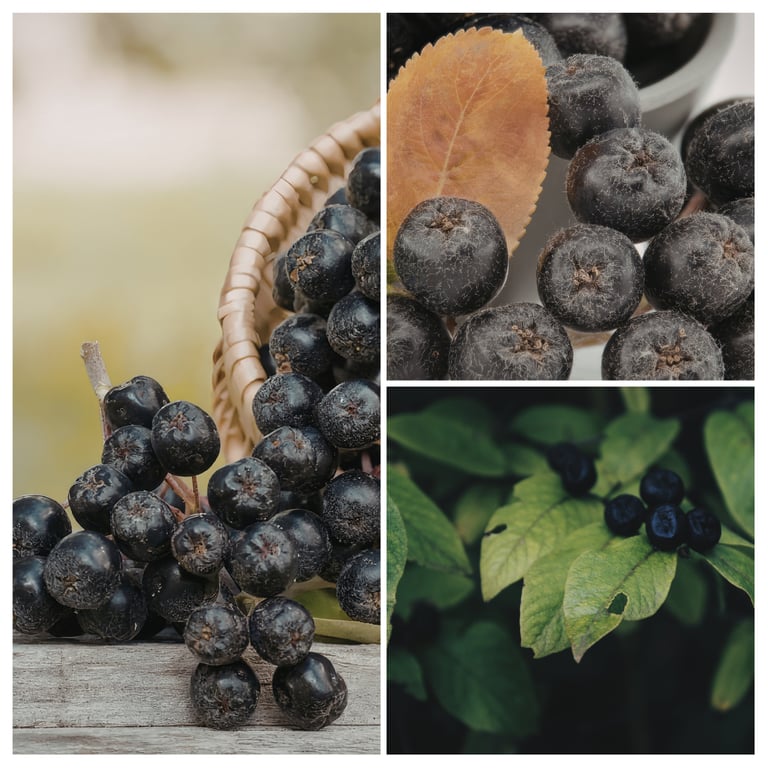
3. Huckleberries
Season: July – September
Where to Find Them: Mountain regions, Eastern Washington
Small, flavorful, and always worth the extra effort to find.
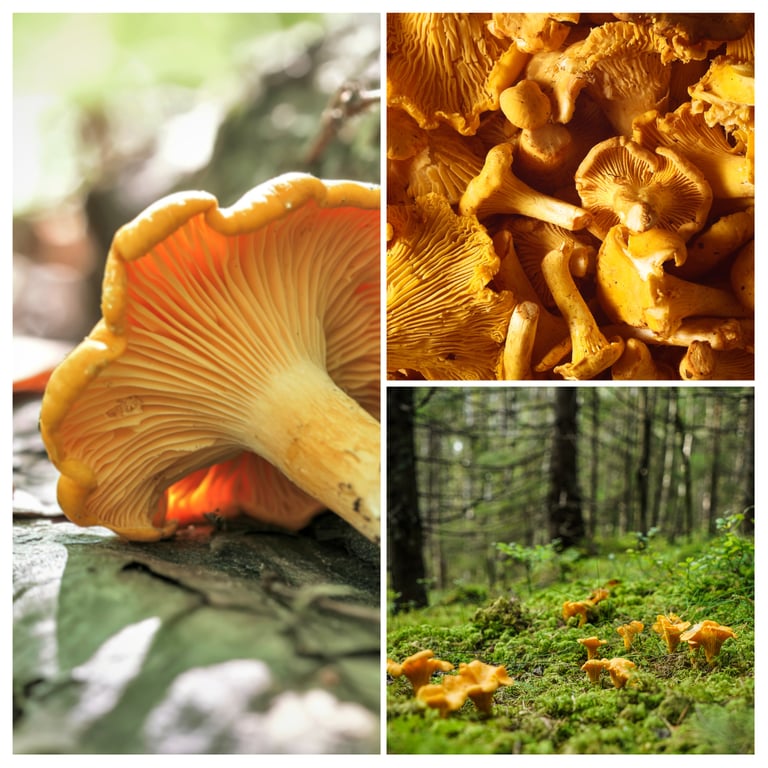
4. Chanterelle Mushrooms
Season: September – November
Where to Find Them: Mossy forests, Western Washington
Golden, delicate, and often found in clusters if you know where to look.
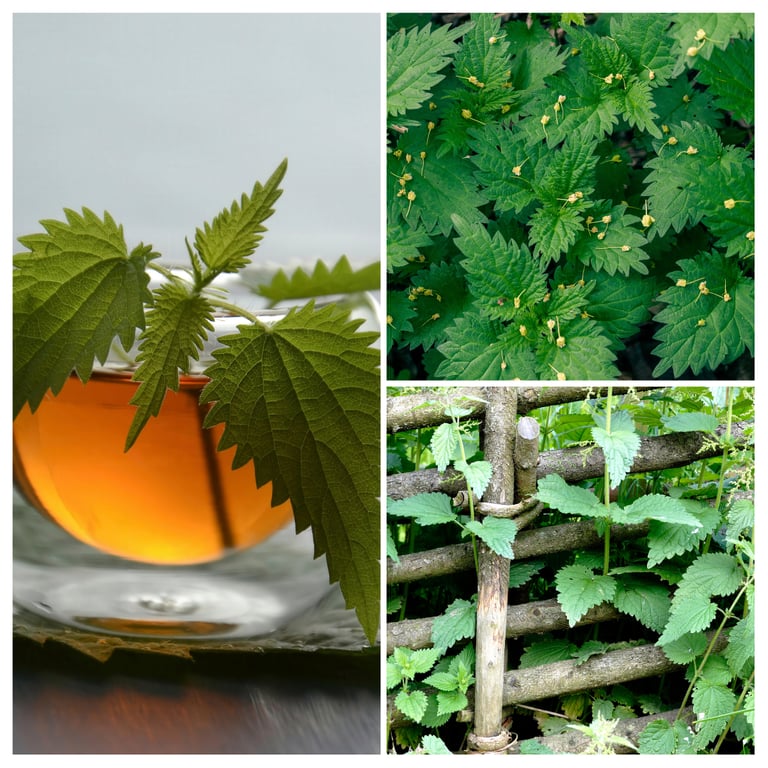
5. Nettles (Stinging Nettle)
Season: March – May
Where to Find Them: Moist forests, riverbanks
Gloves are a must—but once cooked, they’re incredibly good.
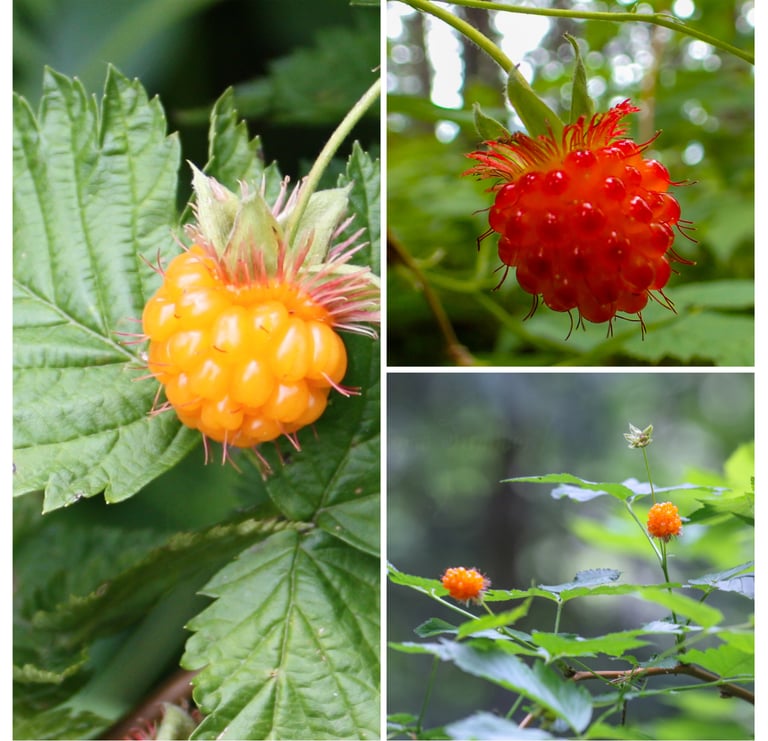
6. Salmonberries
Season: May – July
Where to Find Them: Forest edges, coastal areas
Bright, soft, and one of the first signs of the season.
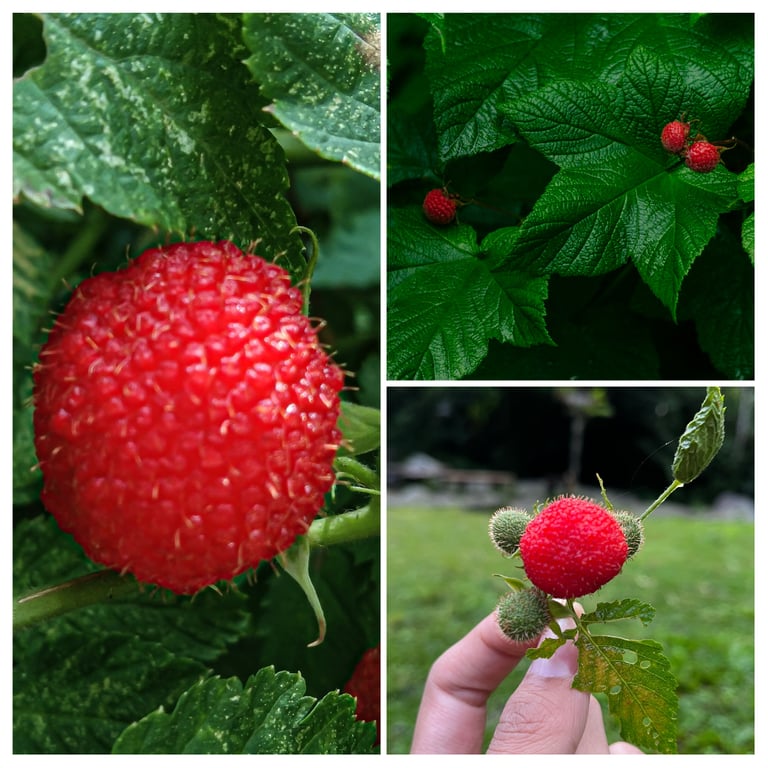
7. Thimbleberries
Season: June – August
Where to Find Them: Open trails, forest edges
So delicate you’ll probably eat them right there.
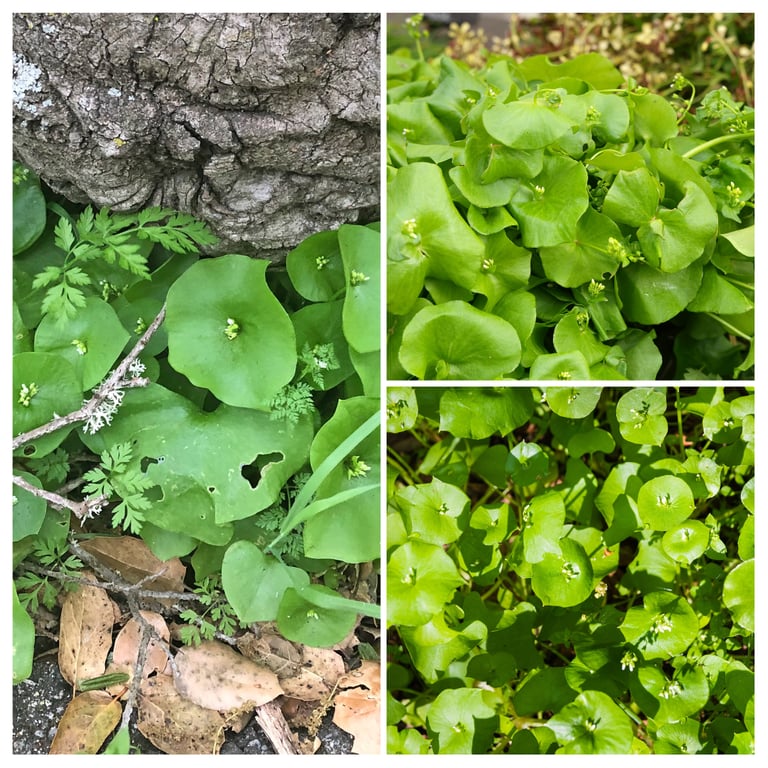
8. Miner’s Lettuce
Season: February – May
Where to Find Them: Shaded forest floors
Fresh, mild, and one of the easiest to start with.
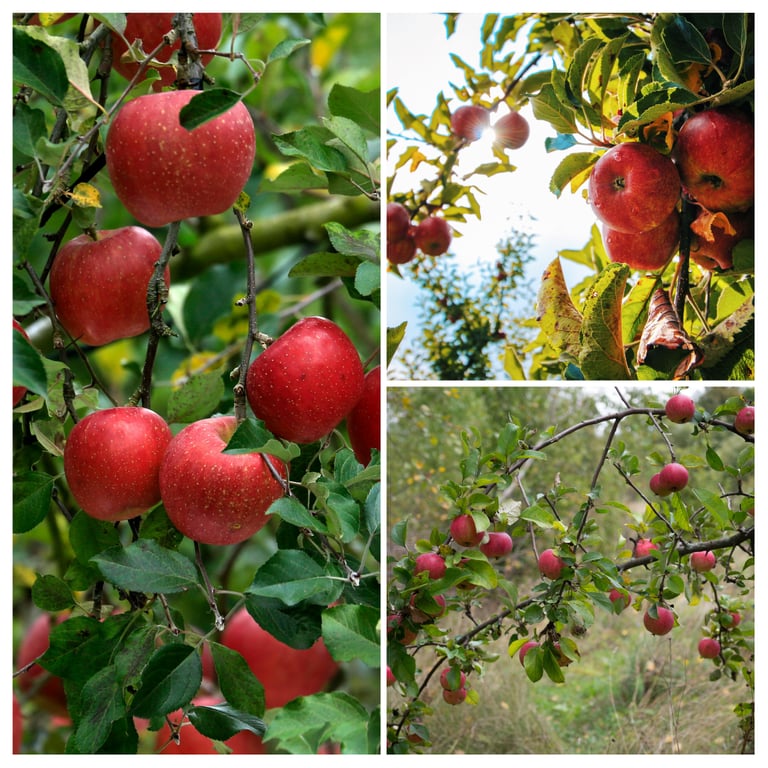
9. Wild Apples
Season: Late Summer – Fall
Where to Find Them: Old orchards, rural areas
Not perfect—but great for baking or cider.
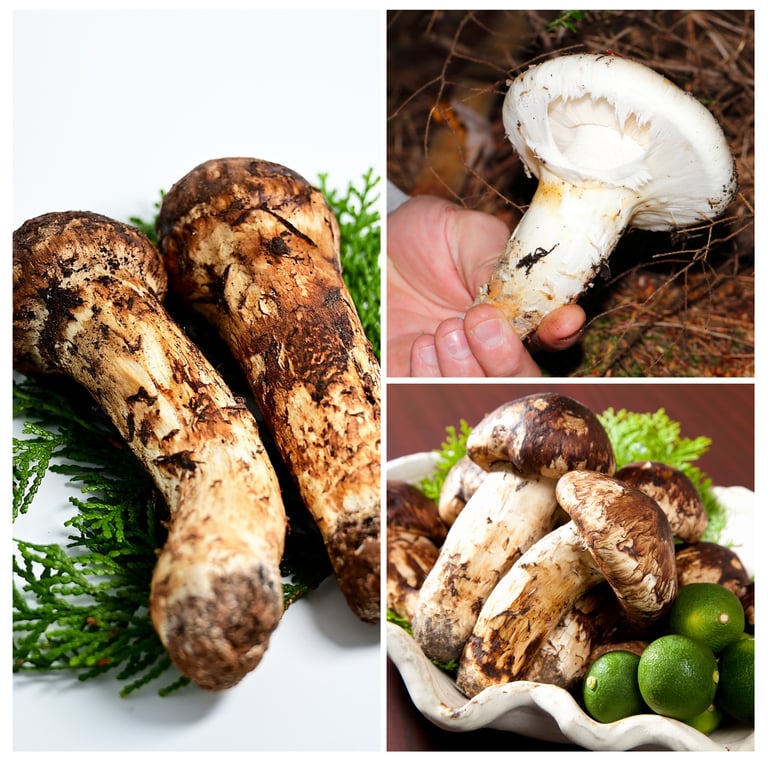
10. Pine Mushrooms (Matsutake)
Season: September – November
Where to Find Them: Conifer forests
Harder to find—but highly prized.


What Foraging Really Feels Like
Some days you come home with a full basket.
Some days you come home with nothing but muddy boots and a good walk.
And honestly? Both are part of it.
Because foraging isn’t just about what you bring back—it’s about learning to see what most people overlook. It’s slowing down, paying attention, and letting the seasons guide you.
Local Tip
Always double-check identification before eating anything you forage. When in doubt, leave it. Washington has incredible edible plants—but also dangerous lookalikes.
Final Thoughts
Foraging in Washington isn’t just a way to find food—it’s a way to connect.
To the land. To the seasons. To the idea that not everything valuable has to be bought.
Sometimes, the best things are already there…
You just have to know where—and when—to look.
Connect
Join our community
Contact
info@getoutsideandplayusa.com
© 2025. All rights reserved.