Add your promotional text...

My Top 20 Rockhounding Sites in Washington State
There’s something magical about holding a piece of the Earth’s story in your hands. Maybe it’s a chunk of petrified wood that once stood tall in a prehistoric forest, or a crystal that’s been waiting millions of years to sparkle in the sunlight again. That’s what I love most about rockhounding in Washington—it’s not just about collecting stones, it’s about connecting with time itself. Washington is a rockhound’s paradise. From coastal agate beaches to mountain crystal beds and fossil-rich hills, this state is bursting with natural treasures just waiting to be discovered. Every site tells its own story, shaped by lava flows, ancient seas, and glacier movement. Whether you’re a weekend explorer, a family looking for a hands-on adventure, or a die-hard digger with buckets and a hammer in hand, you’ll find your happy place here. Before we dig in—literally—remember that some areas require permits or passes, like the Discover Pass for state lands, and a few sites have day-use or dig fees. Always double-check the rules, respect private property, and leave every site better than you found it. So grab your gear, lace up your boots, and let’s go find some sparkle. Here are my 20 favorite rockhounding sites across Washington State, each with its own charm, character, and bit of buried magic.
WASHINGTON TRAVEL
Get Outside and Play USA
10/21/202514 min read
This post may contain affiliate links, including links from Amazon, Walmart, and other affiliate partners. This means that if you click on a link and make a purchase, I may earn a small commission at no additional cost to you. As an Amazon Associate, I earn from qualifying purchases. I only recommend products I genuinely believe add value to outdoor adventures and hiking experiences.
Crystal & Geode Hotspots
1. Hansen Creek – West of Snoqualmie Pass
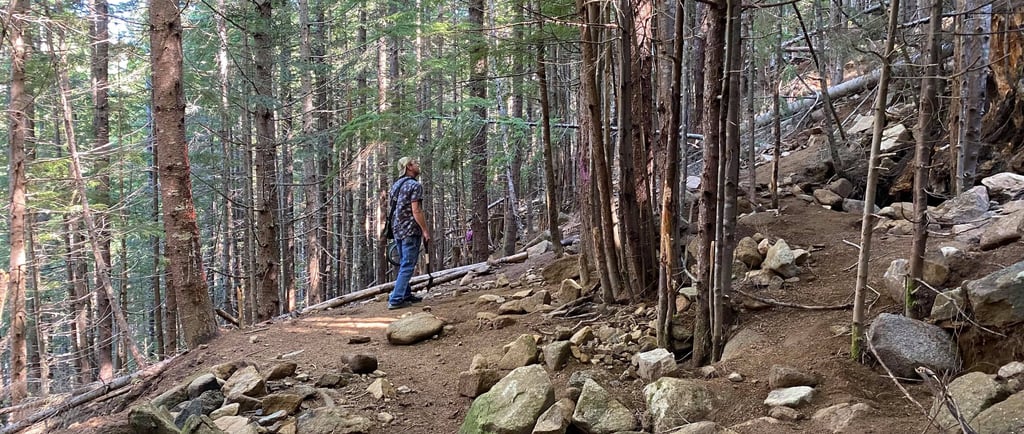
Hidden high on the slopes of Humpback Mountain, Hansen Creek is a gem of a destination for crystal lovers. I’ve spent many mornings here, chasing the sunlight across the hills as quartz points glint beneath the moss. You’ll find clear quartz, amethyst scepters, and moss agate scattered along the steep, forested slope.
Directions:
Take I-90 east from Seattle to Exit 47 (Denny Creek). Cross the river, turn right onto Tinkham Road, then left on Forest Service Road 5510. After about 1.6 miles, you’ll hit a sharp hairpin curve where you can park. From there, follow the old gated FS road uphill to the digging area—roughly a mile hike.
Fees & Permits:
No entry fee; it’s open forest land within Mount Baker–Snoqualmie National Forest. Bring a Discover Pass for parking and check for seasonal closures.
Tips:
Wear hiking boots with good traction—the hillside is slick, and every crystal hunter eventually learns that the “fun” slope is steeper than it looks. Bring rope, gloves, and patience; this site rewards persistence.


2. Walker Valley Geode Site – Near Mount Vernon
Walker Valley feels like a rockhound’s playground—mossy trees, open trails, and geodes just waiting to be cracked open. Inside, you’ll find sparkling quartz or amethyst crystals that have been quietly forming for ages.
Directions:
About 9 miles east of Mount Vernon in Skagit County. Park safely along the roadside by the gated entry (without blocking traffic) and walk past the gate to reach the dig zone.
Fees & Permits:
No digging fee! The site is managed under a recreational lease by the Washington State Mineral Council, allowing public collecting. Just display a valid Discover Pass if you park on state-managed land.
Tips:
This is an excellent spot for families or first-timers. Bring a rock hammer, safety glasses, and a good sense of curiosity—each geode holds its own little galaxy.
Fossils & Petrified Wood Treasures
3. Stonerose Fossil Beds – Republic
If you want to feel like a time traveler, Stonerose is the place. This site lets you uncover 49-million-year-old fossils—ancient leaves, insects, and fish—from the days when Washington was warm and subtropical. Each dig feels like peeling back a page of the planet’s diary.
Directions:
Located right in downtown Republic at 15 N Kean Street (corner of Hwy 20 and Clark Ave). Park near the Stonerose Interpretive Center, where you’ll check in before heading up to the quarry.
Fees & Permits:
Entry to the interpretive center is free. Digging at the fossil site requires a daily permit (around $15 for adults / $5 for kids – prices can vary seasonally).
Tips:
They supply tools and instruction—perfect for beginners or kids. Plan a morning visit and bring sunscreen and snacks. Every fossil you find is a little piece of Washington’s prehistoric magic.
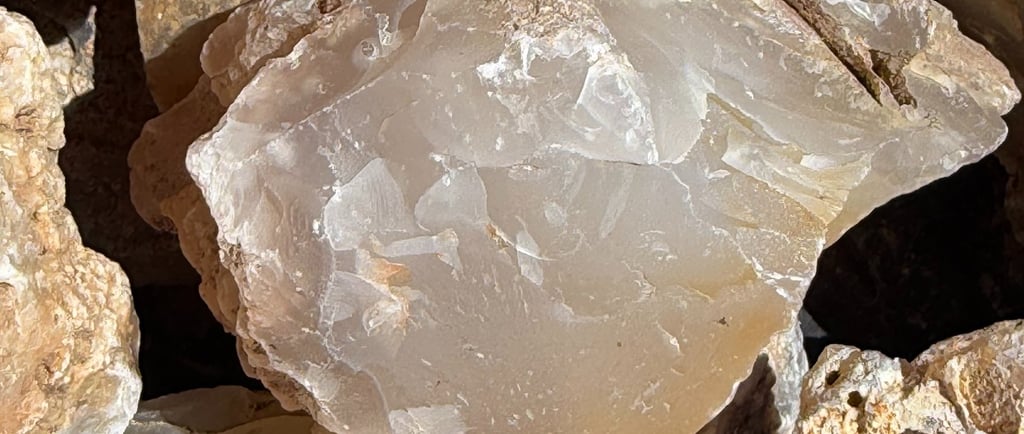
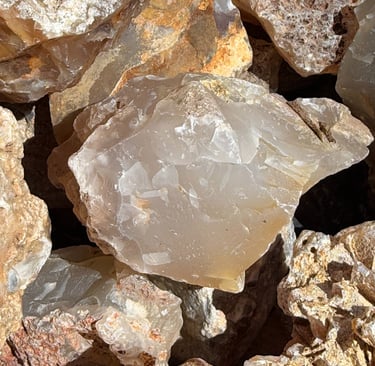
4. Red Top Mountain – Wenatchee National Forest
Red Top Mountain is one of those places that feels like it was made for dreamers with rock hammers. Perched high above Cle Elum, the drive itself winds through pine forests and sweeping ridgelines before you even reach the good stuff—agate nodules, jasper, and the occasional smoky quartz hiding in the volcanic tuff.
Directions:
Take Highway 97 north from Cle Elum for about 24 miles, then turn left onto Forest Road 9738. Follow the signs for Red Top Lookout for another 7 miles up a gravel road. There’s a small parking lot at the trailhead with a short hike to the digging area.
Fees & Permits:
No digging fee, but a Discover Pass is required for parking. The best time to go is late spring through early fall—snow and ice make the road sketchy in winter.
Tips:
The road can be bumpy but passable with most vehicles. Bring extra water and a small shovel for prying agate nodules from the soft clay. And don’t forget to look up—the views of the Teanaway Range are pure magic.
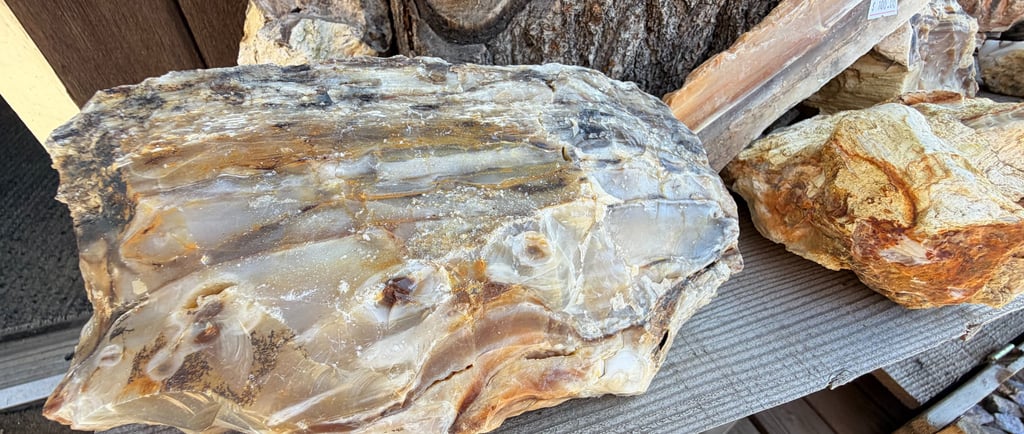
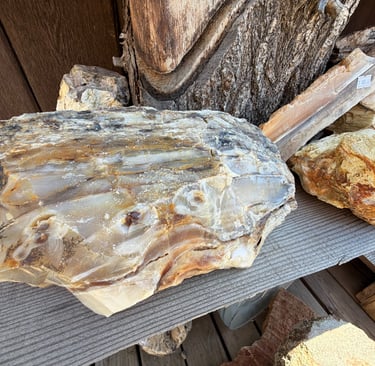
5. Ginkgo Petrified Forest State Park – Vantage
Standing among the ancient petrified logs of Ginkgo Petrified Forest feels a bit like walking through time. These are the remains of trees that grew here millions of years ago, later buried and transformed to shimmering stone by volcanic activity. You can’t collect inside the park, but you can admire over 50 species of ancient trees polished and displayed for all to see.
Directions:
Located just off I-90 at Exit 136 (Vantage). The visitor center sits above the Columbia River with a parking area and restrooms.
Fees & Permits:
A Discover Pass is required for day-use parking. The interpretive center is open seasonally—check the Washington State Parks website for hours.
Tips:
Combine your visit with a stroll down to the river or the nearby Wanapum Recreation Area for agate hunting. It’s educational, scenic, and perfect for a relaxing afternoon between more rugged digs.
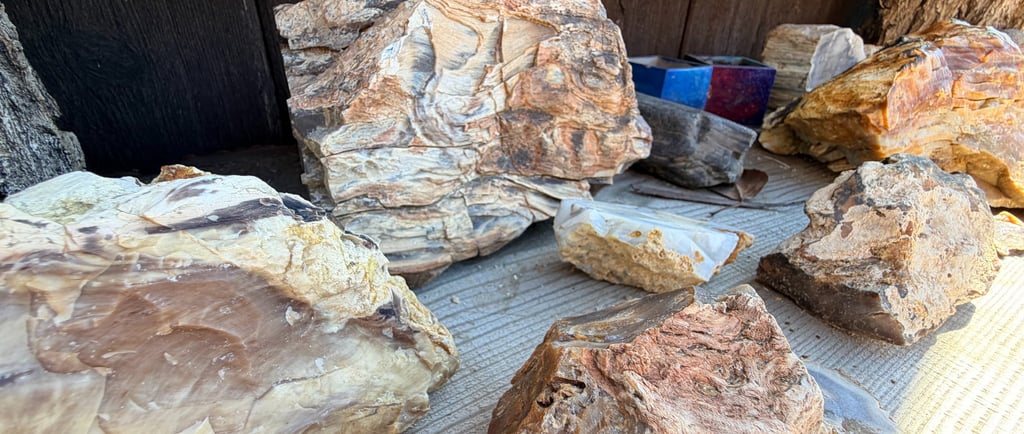
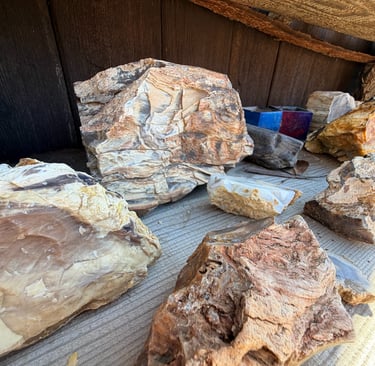
6. Stonewall Creek – Okanogan-Wenatchee National Forest
Tucked deep in forest country, Stonewall Creek is a quiet hideaway where petrified wood and agate rest along gravel bars and streambeds. It’s one of those unassuming places where you can wander in peace and still come home with treasures in your pack.
Directions:
From Omak, take Highway 155 south, then turn onto forest roads following signs toward the Tunk Valley area. Some roads are unpaved but passable in summer. The best hunting is along exposed creek beds and small cuts near the hillsides.
Fees & Permits:
No fee, though you may need a Northwest Forest Pass if you park at designated trailheads.
Tips:
Go after rainfall when erosion reveals new finds. Bring a garden rake or small shovel—many pieces are hidden under loose gravel and clay.


7. Saddle Mountain – Mattawa
This desert landscape near Mattawa is legendary among Washington rockhounds for its opalized and petrified wood. Imagine ancient trees replaced with glowing opal and agate, scattered across basalt cliffs that shimmer in the sun.
Directions:
From Mattawa, head north on Road B SW, then turn onto Saddle Mountain Road. Follow it west for several miles to the BLM lands. There are multiple pull-offs and old dig sites along the ridges.
Fees & Permits:
Free access, but this is rugged BLM public land—pack plenty of water and a full tank of gas.
Tips:
Go early to beat the heat. Long sleeves and gloves are essential—there’s little shade and sharp rock everywhere. You’ll leave dusty, tired, and absolutely thrilled.
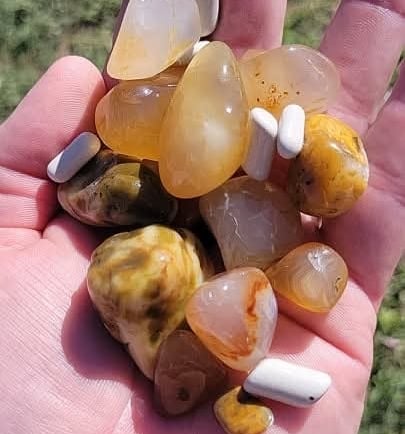
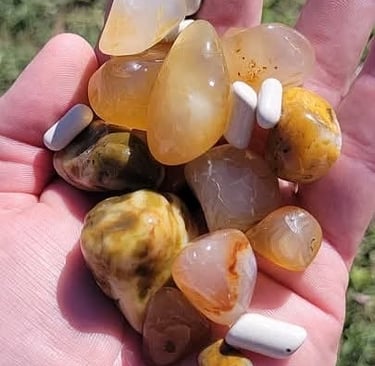
8. Pacific Coast Beaches – Rialto, Ruby & Kalaloch
After a storm rolls through the Washington Coast, the beaches transform into treasure fields of agate, jasper, and fossilized wood. I’ve spent entire days wandering the tide line, that mix of salty air and wave roar in my ears, filling my pockets with sea-tumbled color.
Directions:
Rialto Beach: near Forks, off Mora Road (Hwy 110).
Ruby Beach: south of Forks, off Highway 101 within Olympic National Park.
Kalaloch: also on Highway 101, with marked beach access and campground.
Fees & Permits:
All are within Olympic National Park, so a National Parks Pass or day-use entry fee is required.
Tips:
The best time to hunt is at low tide after a big storm. Bring a bucket, rain gear, and a sense of patience—every wave reveals something new.
9. Puget Sound Jade Beaches
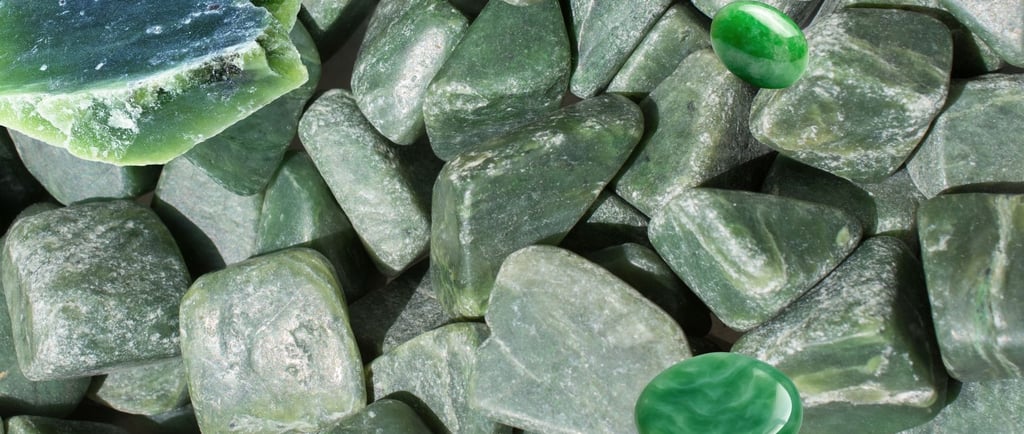
Not many people realize you can find nephrite jade right here in the Puget Sound. Smoothed by the tides, the jade appears as dark green, waxy stones among the pebbles on beaches from Whidbey Island to Bainbridge.
Directions:
Look along beaches with strong tidal action—Double Bluff Beach, West Beach (Whidbey), and Seahurst Park (Burien) are all good starts.
Fees & Permits:
Most beaches are public access—no fee unless you’re parking in a state or county lot that requires a Discover Pass.
Tips:
Jade is heavier than surrounding stones and feels almost “soapy” to the touch. Wet the stones to check color; true jade will stay rich green even when dry.

10. Quinault, Chehalis & Humptulips Rivers
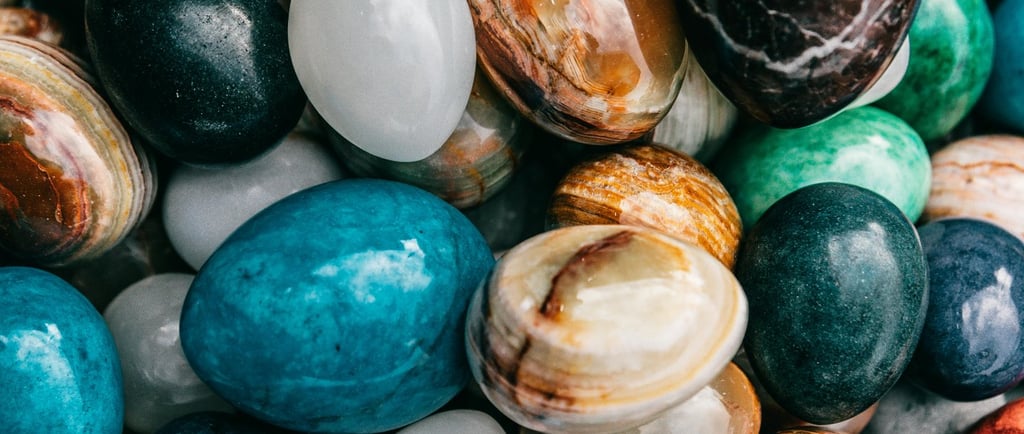
If you love the hunt more than the find, these rivers are a joy to explore. Their gravel bars hide everything from honey-colored agates to chunks of petrified wood and jasper. You’ll wade, sift, and wander—perfect for those who enjoy a slow, mindful adventure.
Directions:
Follow Highway 101 along the coast between Aberdeen and Forks. Look for public pull-outs or river access points near the Quinault Rain Forest and Humptulips River Road.
Fees & Permits:
Most areas are public land or accessible by bridge crossings. Bring a Discover Pass just in case—some pull-outs fall under DNR land. And please make sure you are not on Tribal Lands. That's a no-no.
Tips:
Low water seasons (late summer to fall) are best for exploring exposed gravel bars. A simple garden sieve and a bit of patience can reveal striking colors beneath the mud.
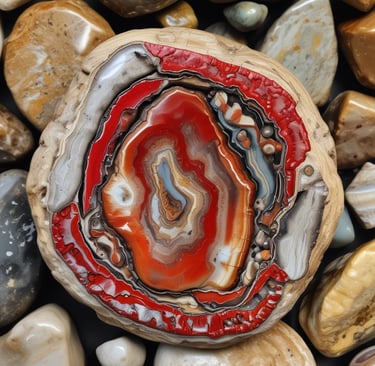
11. Hansville Beaches – Northern Puget Sound
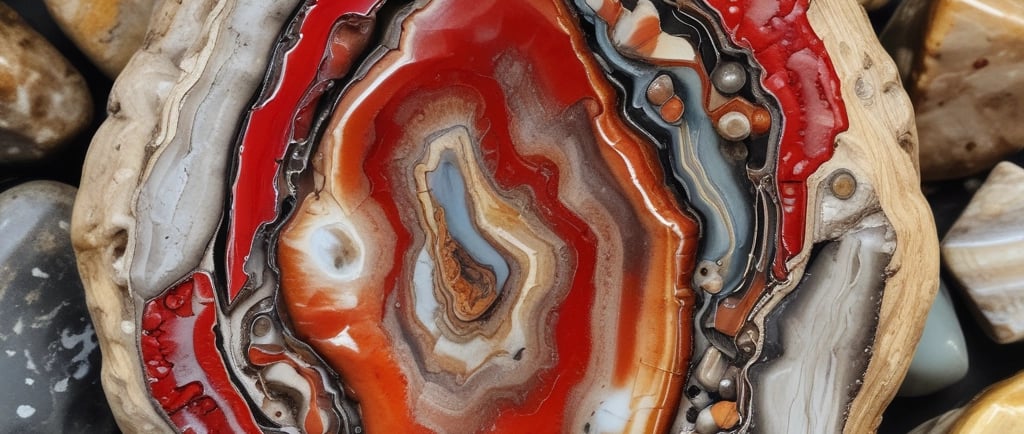
If quiet beachcombing and salt air are your kind of therapy, you’ll love Hansville. These shoreline stretches are sprinkled with small agates, jasper, and the occasional petrified wood chip tumbled smooth by Puget Sound’s steady rhythm. It’s the sort of place where you lose track of time watching gulls wheel overhead and sunlight flash off wet pebbles.
Directions:
Take Highway 104 toward the northern tip of the Kitsap Peninsula. Turn onto Hansville Road NE and follow it to Point No Point County Park or Foulweather Bluff Preserve—both have beach access and parking.
Fees & Permits:
No digging fee; free beach access at most spots. Some parking areas require a Kitsap County Parks pass or day use fee (around $5).
Tips:
Bring a small scoop or mesh bag for your finds. Low tide is best for spotting agates glinting in the sand. Stay mindful of private shoreline property—stick to public access points.
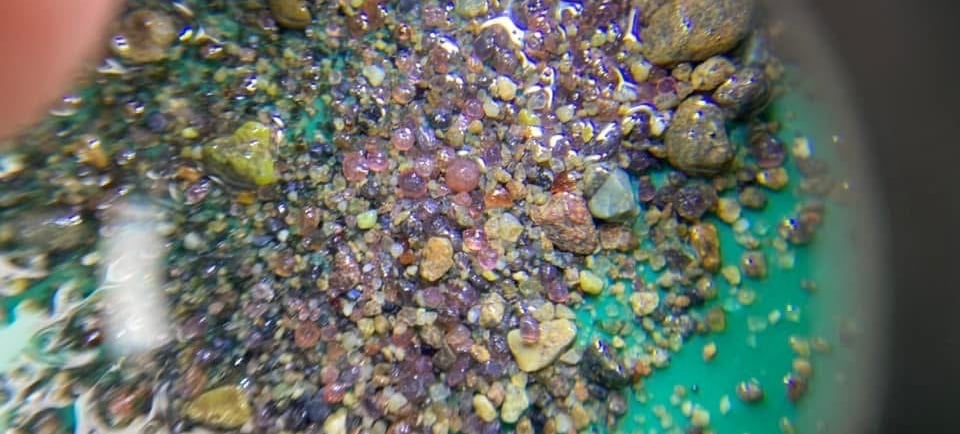
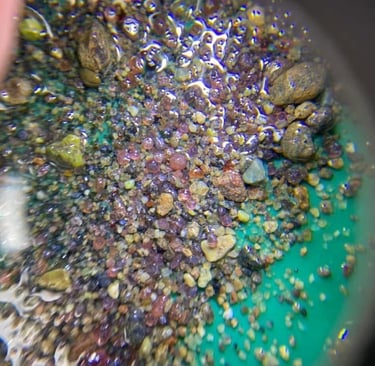
12. Liberty Gold Mine – Near Cle Elum
Tucked in the hills above Cle Elum, the old Liberty Gold Fields shimmer with history. Prospectors have been chasing flakes and nuggets here since the 1870s, and a few still do. I love this area for its gold panning, quartz veins, and the sheer romance of standing in a creek where fortune hunters once dreamed big.
Directions:
From Cle Elum, take Highway 970 east to Liberty Road NW and follow the signs to the historic mining district. There are several public access points for panning along Williams Creek and Swauk Creek.
Fees & Permits:
No fee for recreational panning in the Okanogan-Wenatchee National Forest sections, but always verify you’re outside active claims. A Discover Pass or Northwest Forest Pass may be required for parking.
Tips:
A simple pan, shovel, and patience go a long way. Look for crevices behind large boulders where gold settles. And if you see quartz with tiny gold inclusions—that’s the real jackpot.
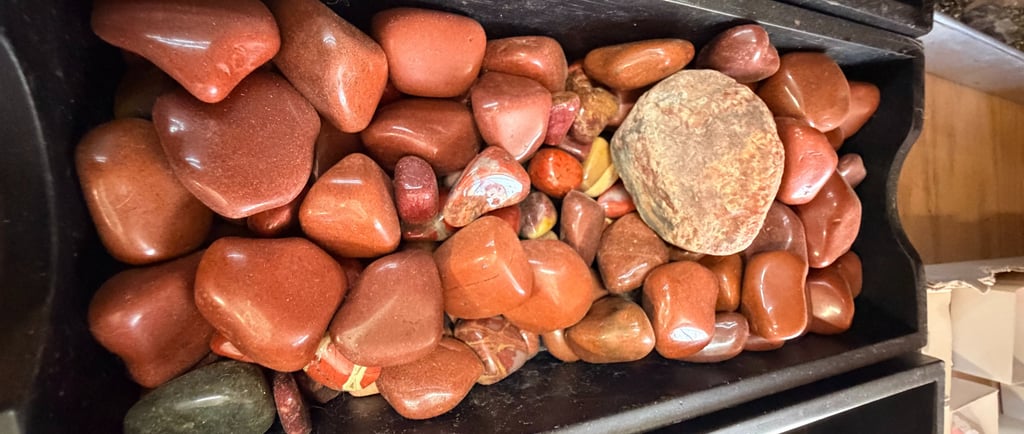
13. Columbia River Gravel Bars
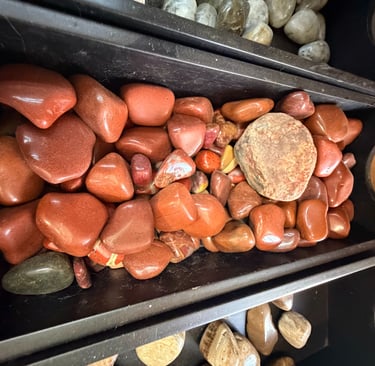
Few things beat a day spent walking the mighty Columbia, scanning gravel bars for glints of agate, jasper, and the occasional tiny gold flake. The sound of the current and the feel of rounded stones underfoot make this one of the most peaceful hunts in the state.
Directions:
Access is easy from multiple points: try the gravel bars near Vantage, Wanapum Dam, or the stretches by Richland and Kennewick. Many areas have pull-offs along Highway 243 or I-82.
Fees & Permits:
Free access along most BLM and public riverbanks; a Discover Pass is helpful for DNR pull-outs or recreation sites.
Tips:
Late summer is best when water levels drop. Bring a small screen and bucket, and always be mindful of river currents—this is a big, powerful river.
14. Racehorse Creek – Near Bellingham
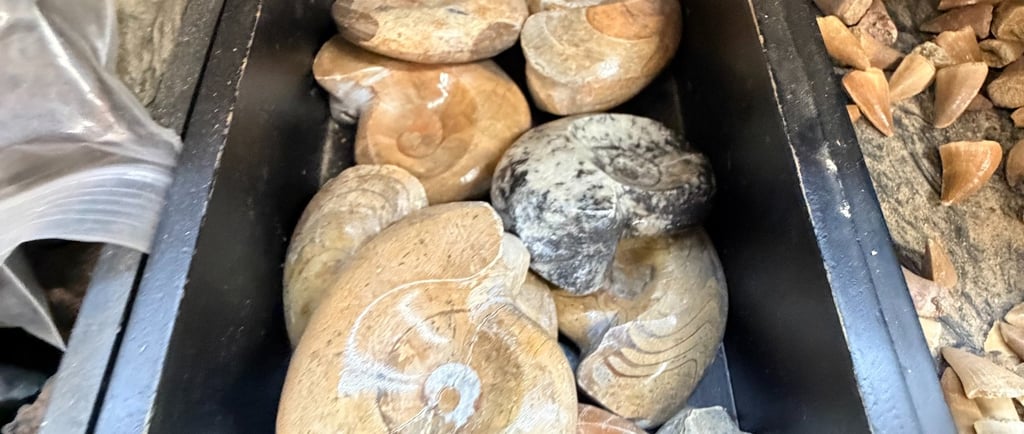
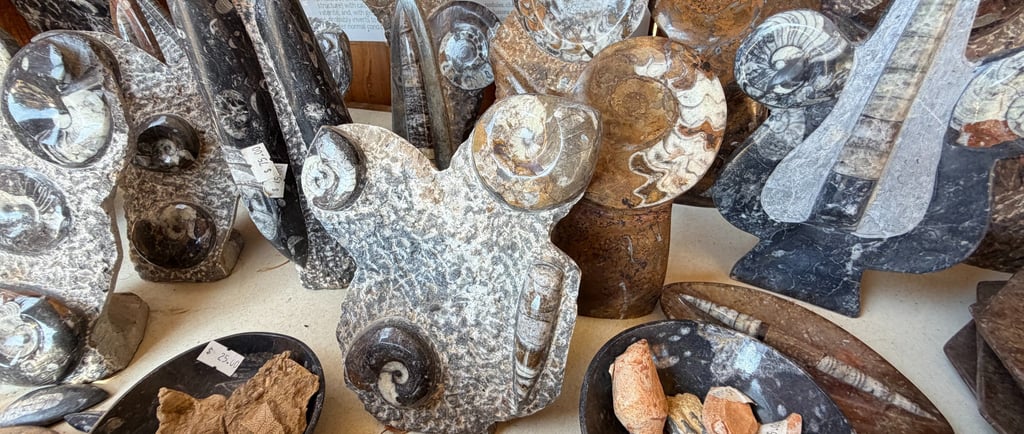
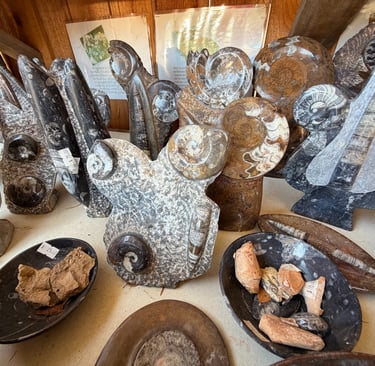
A little rugged and a lot rewarding, Racehorse Creek is famous for its fossilized ammonites and ancient marine life. Hiking through the fern-covered canyon, you can almost imagine the seafloor that once lay here eons ago.
Directions:
From Bellingham, take Mt. Baker Highway (E SR-542) east about 20 miles, then turn onto Racehorse Creek Road. The collecting area lies near the Racehorse Creek Landslide Site—follow signage and stay on marked trails.
Fees & Permits:
Free entry; some trailhead parking areas may need a Discover Pass.
Tips:
Expect uneven ground and moderate elevation gain. Fossils occur in shale layers—use a chisel and patience. It’s a fantastic site for experienced rockhounds and photographers alike.
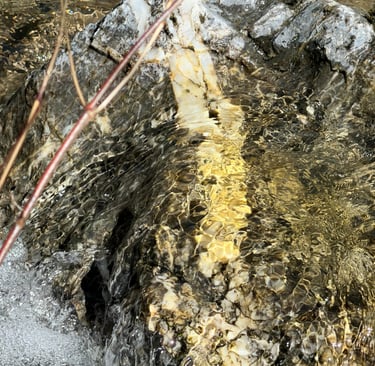
15. Silver Star Mountain – Skamania County
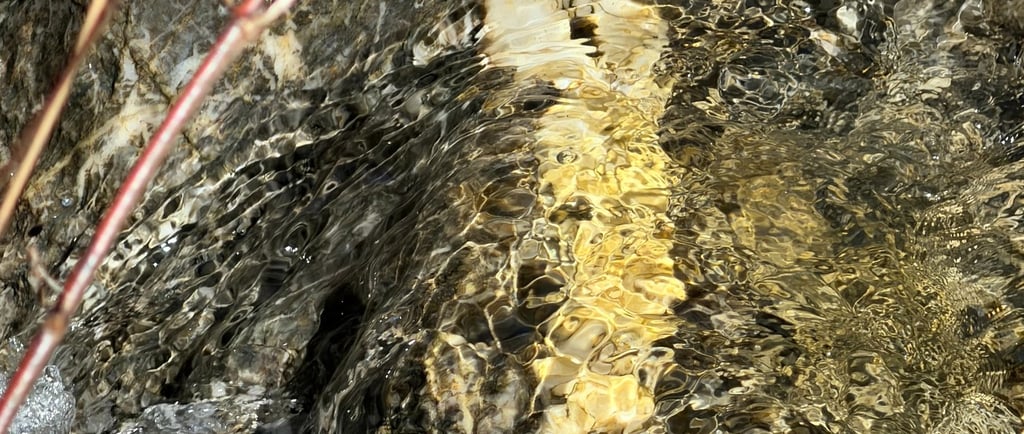
Silver Star Mountain is equal parts challenge and reward. The hike begins steep and steady through evergreens, then opens to sweeping panoramas where you can spot quartz veins, tourmaline, and granite specimens glittering in the sun. On clear days, Mount Hood floats on the horizon like a mirage.
Directions:
From Vancouver, WA, take SR-14 east to Washougal River Road, then turn onto Skamania County Road 1200 (Sunset Falls Road). Follow forest roads 41 and 4109 to the trailhead.
Fees & Permits:
Parking requires a Discover Pass; no collection fee.
Tips:
This is a hike for sturdy boots and steady legs. The first mile is steep but mellows out as you gain elevation. Bring extra water—no reliable streams—and take time to soak in those Columbia Gorge views.
16. Yakima Canyon – Central Washington
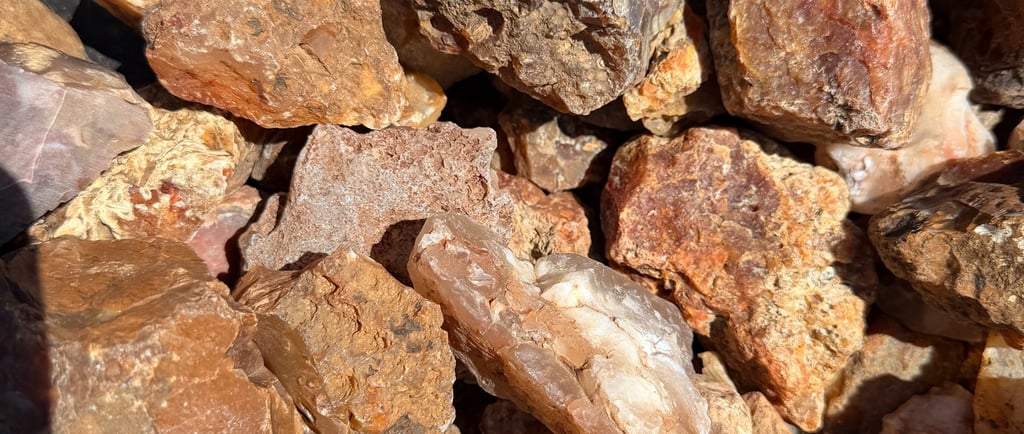
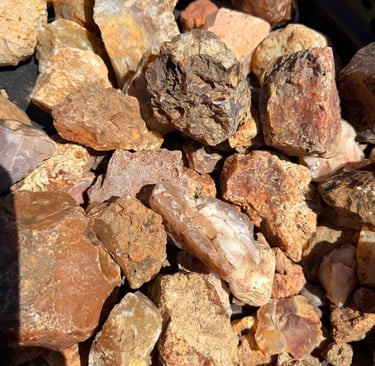
If you love wide-open skies and red-rock cliffs that glow at sunset, Yakima Canyon is your kind of rockhounding heaven. The river snakes between basalt walls, and when the water runs low, the gravel bars reveal a mix of agates, petrified wood, and jasper—some polished smooth, others rough and ready for your tumbler.
Directions:
Take Highway 821 between Ellensburg and Yakima (the scenic route). There are several public pull-offs and recreation sites along the way, including Big Pines and Umtanum Creek.
Fees & Permits:
Most sites are on Bureau of Land Management property—no digging fee. A Discover Pass is required at BLM recreation areas.
Tips:
Go in late summer when river levels are lowest. The best finds are near shallow bends or exposed gravel bars. And don’t forget your camera—golden light on canyon walls is pure magic.
17. Moses Lake Area – Central Washington
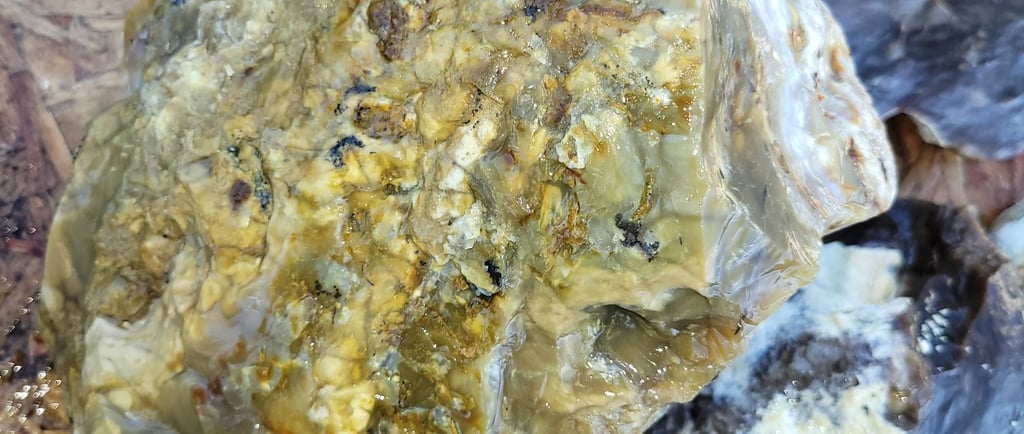
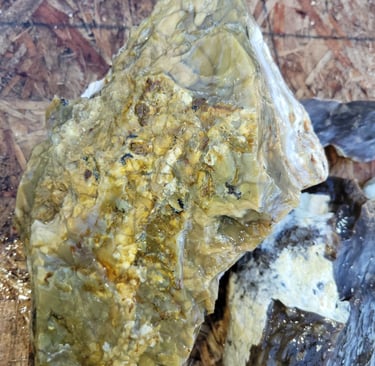
Scattered across the desert flats east of Moses Lake are deposits of agate, jasper, and quartz just waiting for sharp eyes and patient hands. It’s a bit of a puzzle here—lots of private farmland, but pockets of public BLM land hide real treasures.
Directions:
From Moses Lake, drive east on Highway 17 and explore side roads toward the Sand Dunes, Potholes Res Area, or along Road M SE. Look for exposed gravel beds and eroded outcrops.
Fees & Permits:
Free to explore on public land. A Discover Pass may be required at some DNR or recreation sites.
Tips:
This is a “bring-your-GPS” kind of place—boundaries between private and public shift quickly. Always check land maps before digging. Best hunting is after a rainstorm when the dust settles and colors pop.
18. Saddle Mountain (East Ridge Revisit) – Mattawa
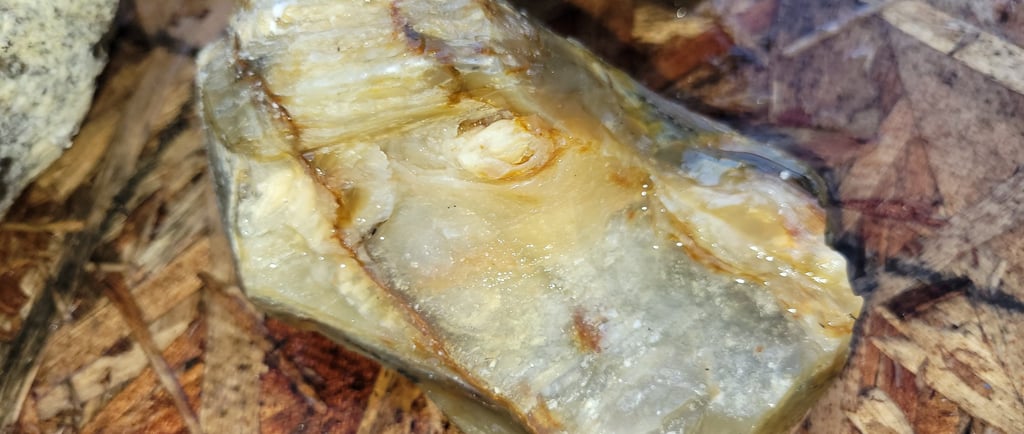
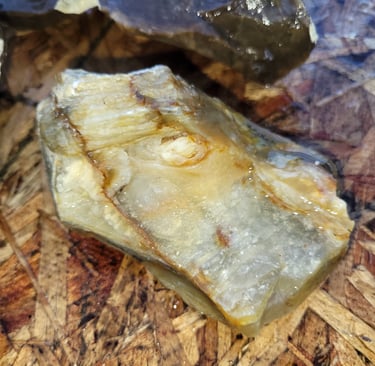
Yes, it deserves a second mention! The east ridge of Saddle Mountain holds opalized wood chunks the size of melons and delicate seams of common opal glowing white and blue. Every time I hike up here, I swear the desert hums with history.
Directions:
Head west from Mattawa and turn off onto the network of dirt roads leading up the ridges—FS Road 23 is a good start. Stay on well-traveled tracks and park before steep grades.
Fees & Permits:
No fee—open BLM land.
Tips:
Bring gloves and a sturdy backpack; some specimens are heavy. A short hike gets you to higher shelves where erosion exposes the best pieces. The view over the Columbia Basin alone is worth the climb.


19. Pacific County Beaches – Long Beach & Grayland
Down along the southern coast, these broad sandy stretches hide treasures left by winter tides: agate nodules, jasper, and small pieces of fossilized wood. There’s something meditative about the crash of waves and the thrill of spotting a flash of color beneath the sand.
Directions:
Access from Long Beach via Bolstad Avenue or head north toward Ocean Park. Grayland Beach State Park, just south of Westport, is another great agate zone.
Fees & Permits:
Free to roam most public beaches; a Discover Pass is required for State Park parking areas.
Tips:
Stormy winters reveal the best finds. Check tide charts and go just after high tide when the beach is freshly washed.
20. Blue Lake Trail – Near Coulee City
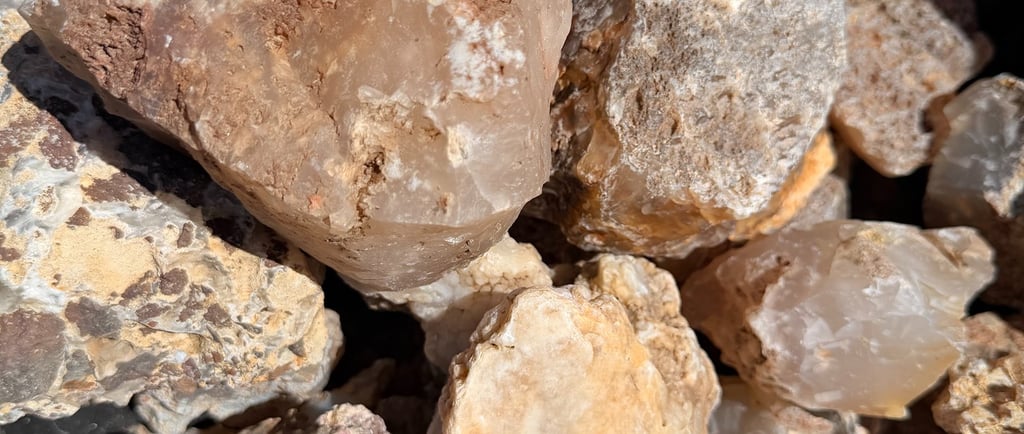
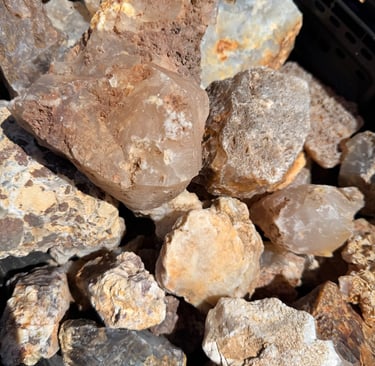
This lesser-known site near the Grand Coulee region is perfect for those who like a good hike with their hunt. Along the Blue Lake Trail, you’ll find agate, jasper, and occasional pieces of chalcedony embedded in basalt cliffs or scattered near the trail. The turquoise-colored lake below makes every climb feel worth it.
Directions:
From Coulee City, take Highway 17 south for 7 miles and turn east onto Park Lake Road. Follow signs to Blue Lake Trailhead in the Sun Lakes–Dry Falls State Park.
Fees & Permits:
A Discover Pass is required for parking. No additional digging fee.
Tips:
The trail is steep in sections—wear sturdy shoes and bring plenty of water. The early morning light makes the rocks glow and the lake shine like a jewel.
Final Thoughts
Something is captivating about finding a beautiful rock or crystal.
Maybe it's the sparkle that catches the sunlight. Maybe it's the unique colors and patterns that make each one different from the next. Or maybe it's the story hidden within it—a story written long before we ever picked it up.
Every rock has been shaped by a journey.
Some have traveled down rushing rivers, slowly smoothed by moving water. Others have endured immense pressure deep within the earth, transforming over time into something remarkable. Crystals form patiently, layer by layer, often taking years, centuries, or even longer to become what they were meant to be.
People aren't all that different.
Life has a way of shaping us through the experiences we encounter. The challenges we face, the lessons we learn, the moments that test us, and the memories we carry all become part of who we are. Each experience leaves its mark, helping create the person we are today.
Like a crystal hidden inside ordinary stone, some of our most valuable qualities are not immediately visible. Patience, wisdom, resilience, kindness, and strength often develop quietly over time. They are shaped through life's journey rather than discovered all at once.
Perhaps that is why so many people love searching for rocks and crystals.
The search itself is a reminder that extraordinary things are often found where few people think to look. A sparkling agate on a beach, a crystal tucked into a rocky hillside, or a polished stone hidden among thousands of ordinary ones reminds us that beauty is often waiting just beneath the surface.
There is something comforting about that.
Not every chapter of life feels exciting.
Not every season feels easy.
Yet even during the difficult stretches, growth is taking place. The experiences that challenge us today may be shaping strengths we will appreciate tomorrow.
As rockhounds know, some treasures take patience to find.
Life is much the same way.
The most meaningful qualities often develop slowly, shaped by time, experience, and perseverance.
Perhaps that's the real magic of rocks and crystals—not simply their beauty, but the reminder that some of life's most extraordinary things are formed through time, pressure, and the courage to keep going.
Connect
Join our community
Contact
info@getoutsideandplayusa.com
© 2025. All rights reserved.