Add your promotional text...

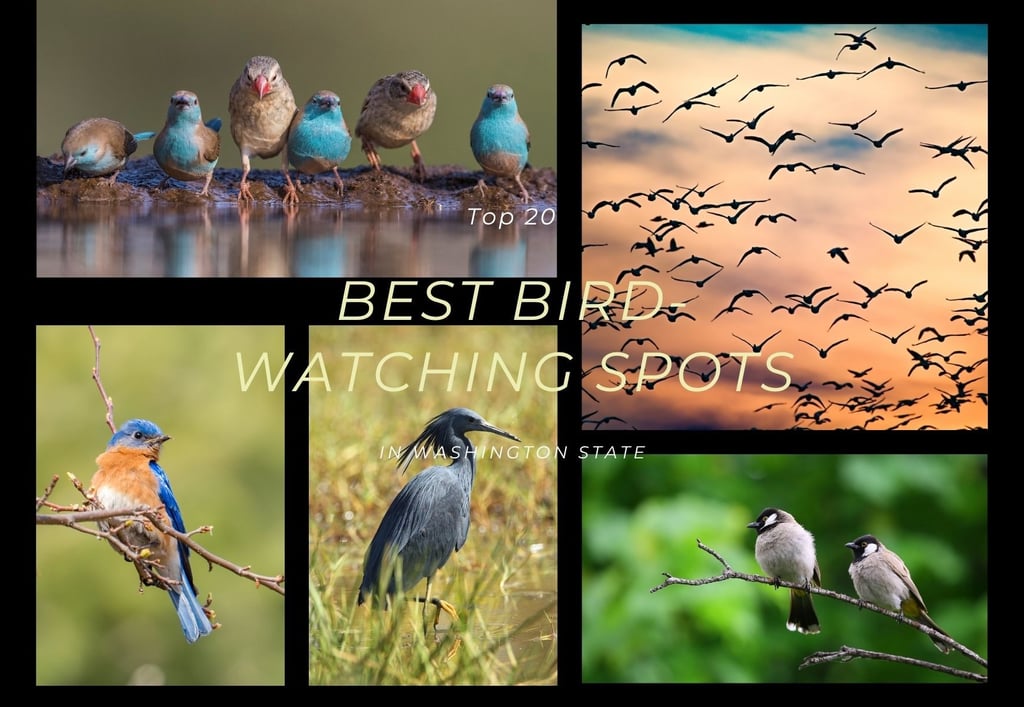
Top 20 Best Bird‑Watching Spots in Washington State
Discover the top 20 best bird-watching spots in Washington, including coastal wildlife areas, wetlands, forests, migration hotspots, local tips, and birding gear ideas for beginners and experienced bird lovers alike.
WASHINGTON TRAVEL
Get Outside and Play USA
4/17/20259 min read
This post may contain affiliate links, including links from Amazon, Walmart, and other affiliate partners. This means that if you click on a link and make a purchase, I may earn a small commission at no additional cost to you. As an Amazon Associate, I earn from qualifying purchases. I only recommend products I genuinely believe add value to outdoor adventures and hiking experiences.
There’s something peaceful about bird-watching in Washington State that’s hard to explain until you experience it for yourself. Maybe it’s the quiet mornings standing near the water at places like Washington wetlands, or the sound of eagles calling through the trees while the fog slowly lifts over the coast. My favorite is waking up in the morning to hear their song. The funny thing is, once you really get into birding, you quickly realize that having the right gear can completely change the experience — not because you need expensive equipment, but because the right items help you stay comfortable, see more wildlife, and actually enjoy being out there longer.
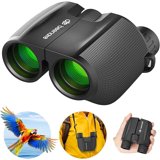
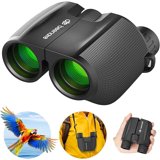
A good pair of lightweight binoculars with a wide field of view is probably the single most important thing you can bring. Birds rarely sit still for long, and trying to spot them with cheap or heavy binoculars can turn into frustration fast. If you’re hiking trails, walking beaches, or traveling light, a compact monocular can also be surprisingly useful because it slips easily into a pocket without weighing you down. A lot of bird-watchers also carry a regional bird identification field guide or use a birding identification app subscription on their phone so they can quickly identify species they’ve never seen before. Honestly, half the fun is figuring out what just flew past you.
Comfort matters more than most people expect too. Some of the best bird-watching spots in Washington involve walking trails, muddy shorelines, gravel paths, or forested areas where you may be standing quietly for long periods of time. A solid pair of comfortable walking shoes or trail sneakers can save your feet during long mornings outdoors, especially if you end up wandering farther than planned. Many experienced birders also wear neutral or earth-tone clothing because bright colors can sometimes scare wildlife away before you ever spot it. Since Washington weather changes constantly, having a lightweight jacket or windbreaker nearby is almost always a good idea, even during warmer months. A sun hat or cap also helps more than people think when you’re standing in open wildlife refuges or scanning the shoreline for seabirds.
Once you start carrying gear, snacks, water, and extra layers, you’ll quickly appreciate having a small daypack or sling bag to keep everything organized. If you’ve ever spent hours with binoculars around your neck, you’ll also understand why bird-watchers swear by a binocular harness or padded neck strap — it takes a surprising amount of strain off your shoulders during long outings. Since lenses constantly collect dust, rain spots, and fingerprints outdoors, a lens cleaning cloth is one of those little things that ends up becoming essential. And because birding apps, GPS maps, and cameras can drain your phone battery fast, a portable power bank is one of those smart items you’ll be thankful you packed.
A lot of people eventually discover they love photographing birds too, even casually. You don’t necessarily need professional equipment to get started either. A simple camera with a zoom lens or even a phone lens attachment can help you capture surprisingly beautiful wildlife shots. If you enjoy taking photos near wetlands, lakes, or open fields, a compact travel tripod or monopod can make a huge difference when trying to hold steady for distant shots. Some birders also enjoy keeping track of what they see throughout the year, which is where a birding journal, notebook, or weatherproof pen becomes part of the adventure. Over time, those little notes turn into memories of places, seasons, and rare sightings you may never forget.
Of course, some of the most important things to bring have nothing to do with birds at all. A refillable water bottle becomes essential during long hikes or warm summer mornings, while sunscreen and insect repellent can make the difference between a relaxing outing and a miserable one. If you enjoy sitting quietly near marshes or watching nesting areas for extended periods, a foldable sit pad or compact camp stool makes it much easier to stay comfortable without constantly moving around and disturbing wildlife. Many bird-watchers also rely on a good trail map or GPS app, especially when exploring unfamiliar wildlife refuges, coastal areas, or forest service roads across Washington.
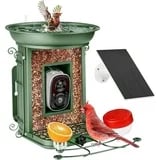
And honestly, if you know someone who loves birds, there are some surprisingly fun gift ideas out there too. A smart bird feeder can turn a backyard into a live wildlife show while sending notifications when new birds arrive. A seasonal bird calendar makes a simple but thoughtful gift for nature lovers, while a window bird feeder lets people enjoy bird activity right outside their home year-round. You can even put together a cozy bird-themed gift basket with snacks, bird guides, mugs, journals, and small outdoor accessories for the bird enthusiast in your life.
If you love wildlife, peaceful outdoor adventures, and spotting incredible birds in their natural habitat, these are my top 20 favorite bird-watching spots in Washington. From coastal shorelines and wetlands to mountain forests and hidden wildlife refuges, each of these places offers something special for bird lovers and nature enthusiasts alike.
1. Skagit Wildlife Area – Fir Island
Location: Near Conway, Northwestern Washington
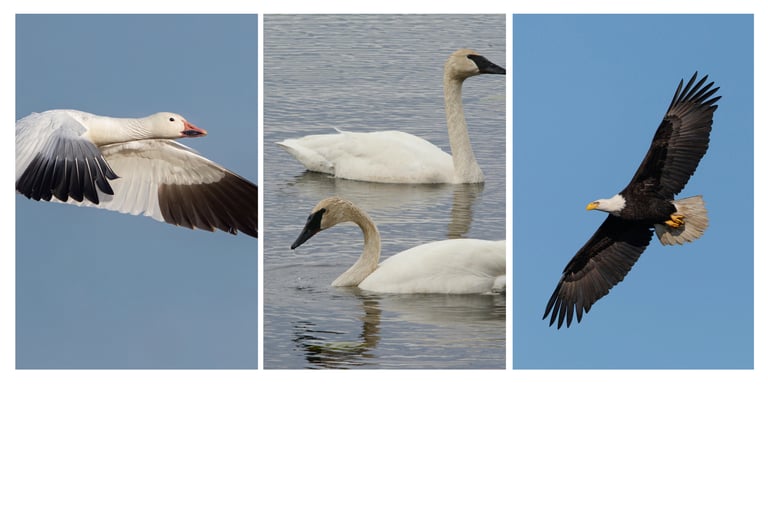
Each winter, thousands of snow geese, trumpeter swans, and bald eagles fill the skies above Skagit Valley. The Samish and Fir Island Units are ideal for spotting these winter visitors. Early mornings here are pure magic — the sound of wings rising off the fields feels almost sacred.
Best Season: Late fall through early spring
2. Dungeness Spit National Wildlife Refuge – Sequim
Location: Strait of Juan de Fuca, Olympic Peninsula
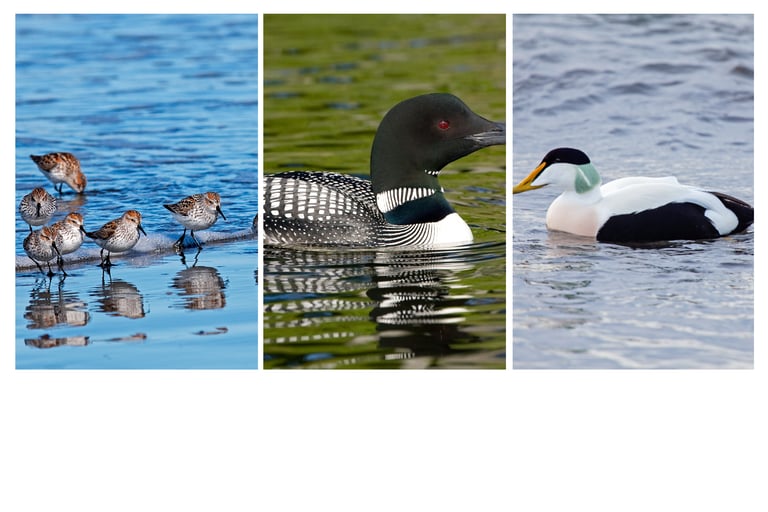
A long finger of sand stretching into the Salish Sea draws shorebirds, loons, and sea ducks by the hundreds. It’s one of the longest natural spits in the world, and the view of the Olympic Mountains makes it unforgettable.
Best Season: Year-round; peak during spring/fall migration
3. Billy Frank Jr. Nisqually National Wildlife Refuge – Olympia
Location: Where the Nisqually River meets Puget Sound
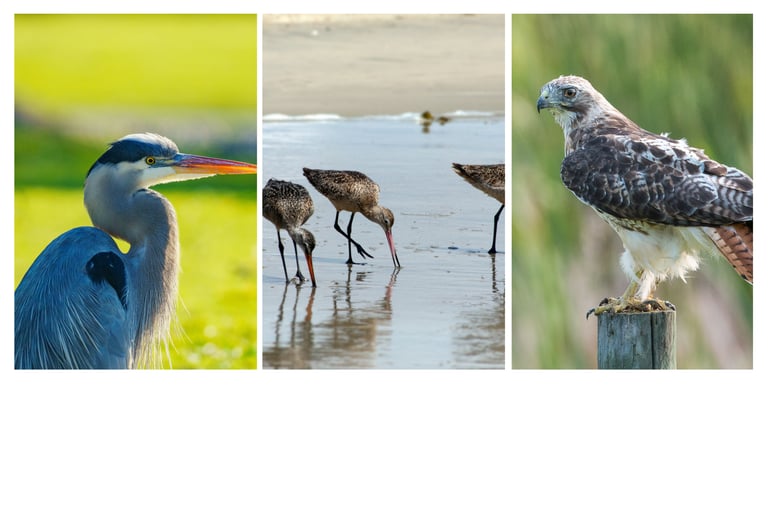
A peaceful blend of tidal marsh, forest, and freshwater wetlands. Boardwalks wind through the habitat, and herons, sandpipers, and raptors are often nearby.
Best Season: Spring–fall for variety; winter for ducks and eagles
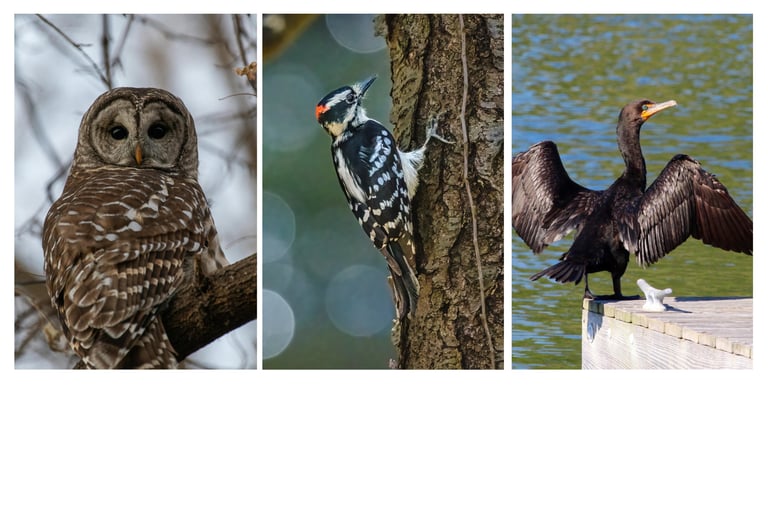
Location: Magnolia Bluff, Seattle
Seattle’s largest park is also one of its wildest: forest, meadow, and shoreline. Owls, woodpeckers, grebes, and cormorants all share this space.
Best Season: Late winter to early summer
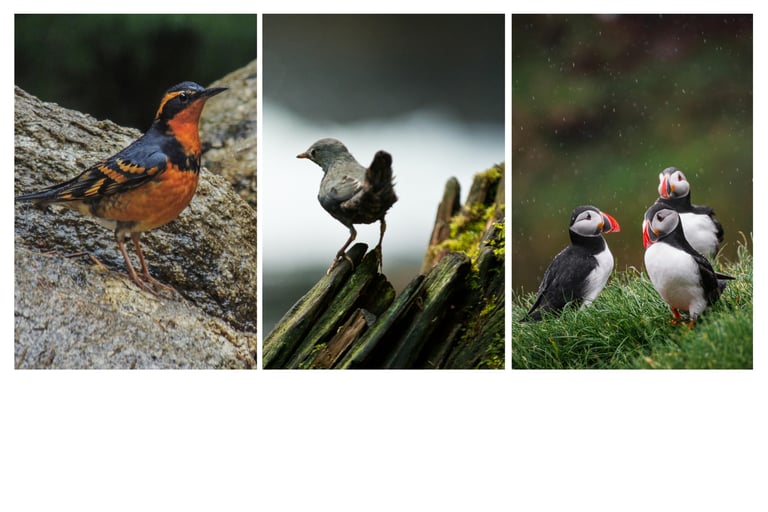
Location: Coast, rainforest, and mountains of the Olympic Peninsula
From Rialto Beach cliffs to the mossy Hoh Rain Forest, you might encounter Varied Thrushes, American Dippers, puffins offshore, and marbled murrelets.
Best Season: Late spring through early fall
6. Mount Rainier National Park
Location: Central Cascades
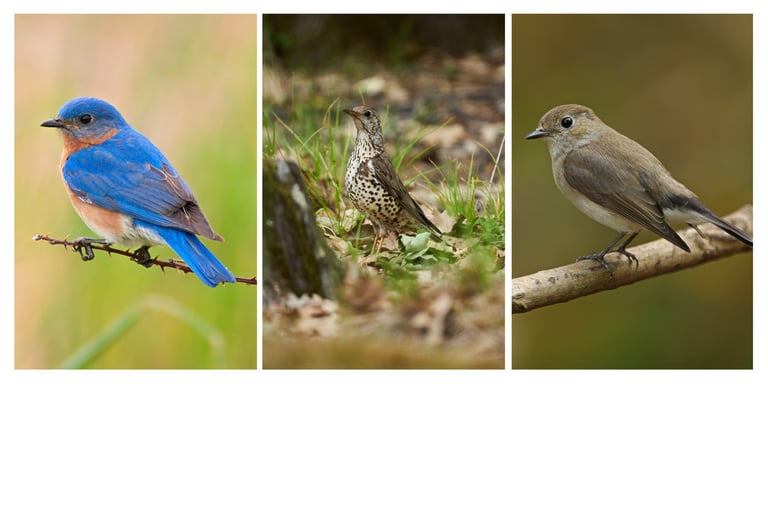
High meadows attract Clark’s Nutcrackers and mountain bluebirds; forests hold thrushes and flycatchers. Sunrise light here is unforgettable.
Best Season: June–September
Location: Between Conway, La Conner, and Bow
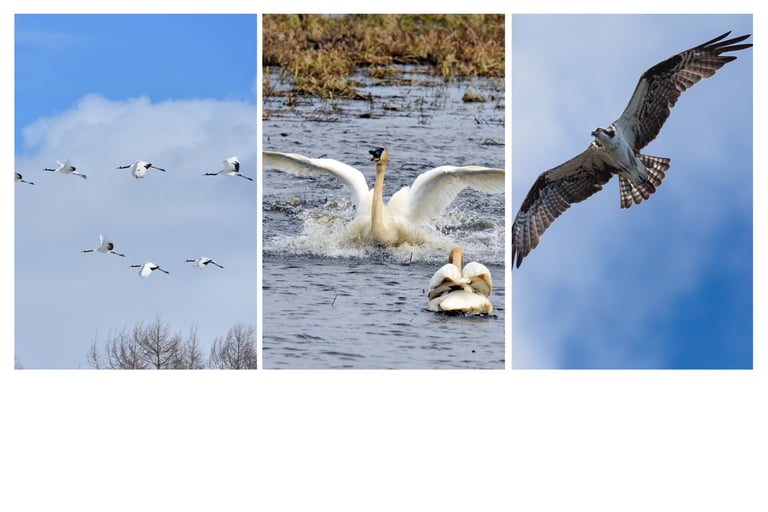
In winter, snow geese, trumpeter swans, and raptors flood the fields and estuaries. Easy pull-outs make viewing simple and respectful.
Best Season: November–March
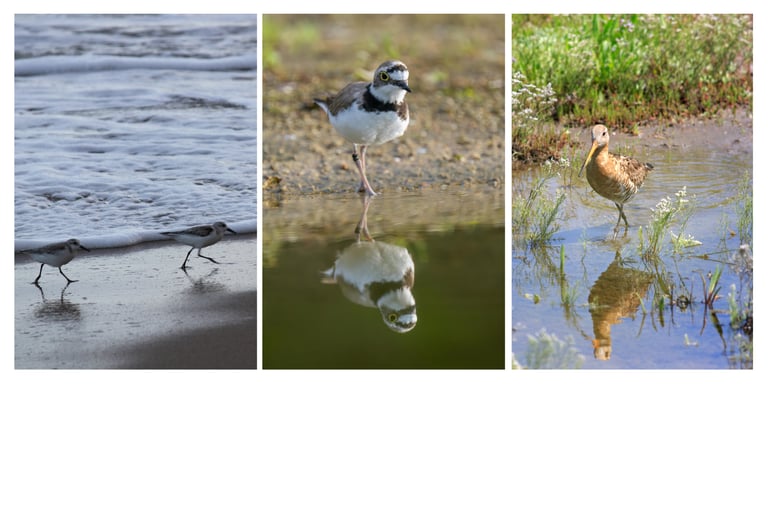
8. Long Beach Peninsula & Willapa Bay
Location: Southwest Washington Coast
During migration, sandpipers, plovers, dowitchers, and terns crowd the shorelines and mudflats. Eagles and herons are common year-round.
Best Season: April–May and August–September
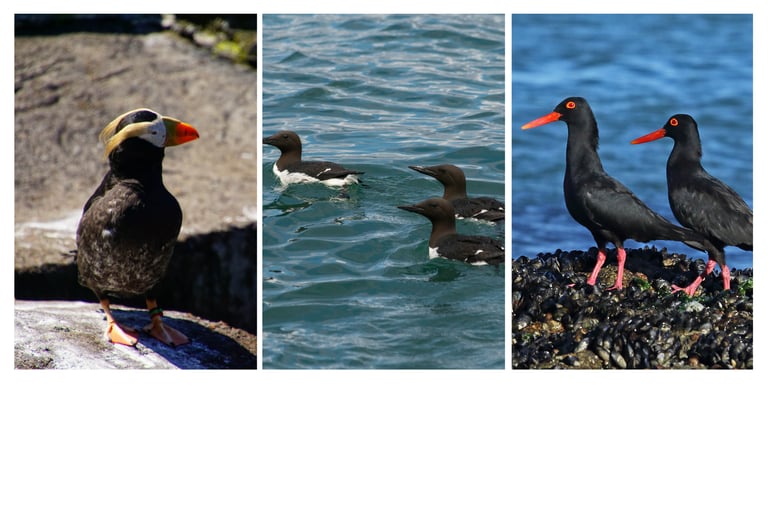
Location: Northwestern tip of the contiguous U.S.
Dramatic cliffs and seabirds galore: tufted puffins, murres, and black oystercatchers. Watch them ride evening winds over the Pacific.
Best Season: Late spring through summer
10. Hoh Rain Forest
Location: Olympic National Park
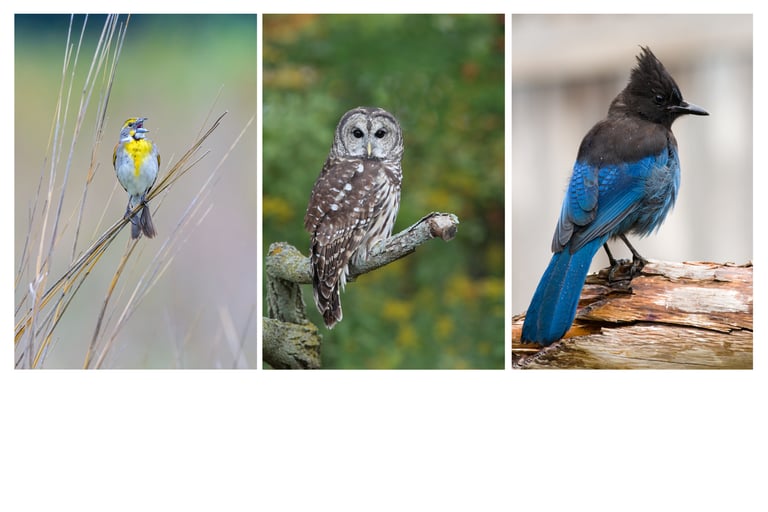
Emerald quiet and layered birdsong. Look for barred owls, Steller’s jays, and varied thrushes beneath towering spruce and fir.
Best Season: Spring and early summer
11. Fort Ebey State Park – Whidbey Island
Location: Central Whidbey Island
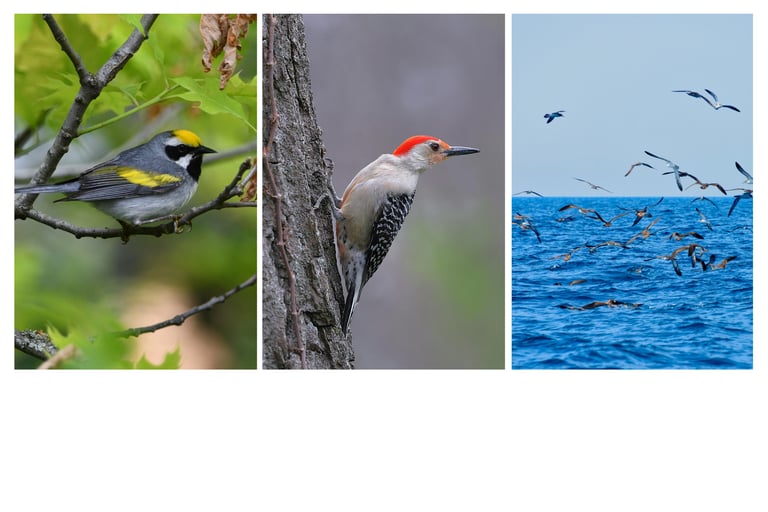
Forest trails meet coastal bluffs, bringing woodland warblers, woodpeckers, and seabirds cruising the Strait of Juan de Fuca.
Best Season: Spring and early fall
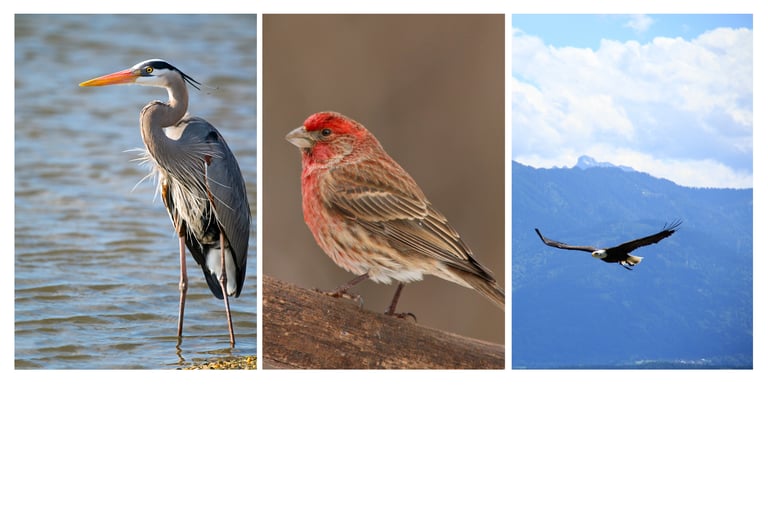
Location: Sammamish River corridor
Family-friendly wetland loops; frequent sightings of herons, finches, and bald eagles. Great for beginners and kids.
Best Season: Year-round
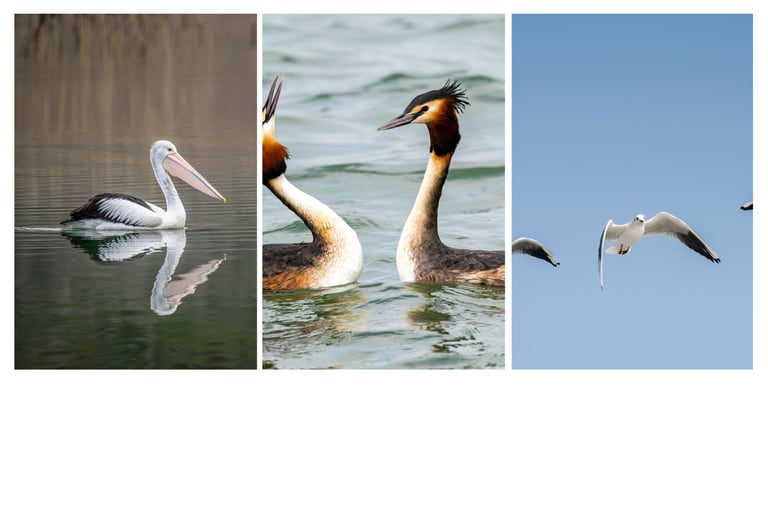
13. Banks Lake – Near Grand Coulee
Location: Grand Coulee region
A quiet desert lake where pelicans, grebes, and gulls glide over glassy water. Dawn reflections reward the patient.
Best Season: Late spring through summer
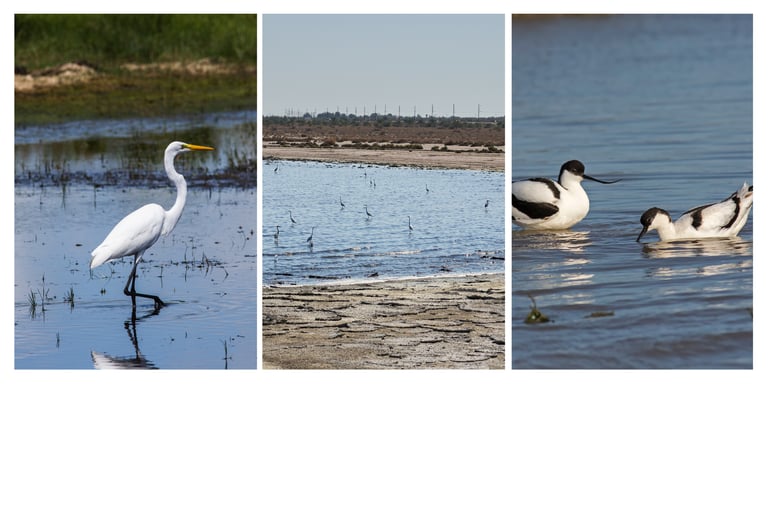
14. Potholes Reservoir – Central Washington
Location: Between Moses Lake and Othello
Dunes and islands create coves for waterfowl and waders. A kayak opens hidden corners for egrets and avocets.
Best Season: Spring and fall migration
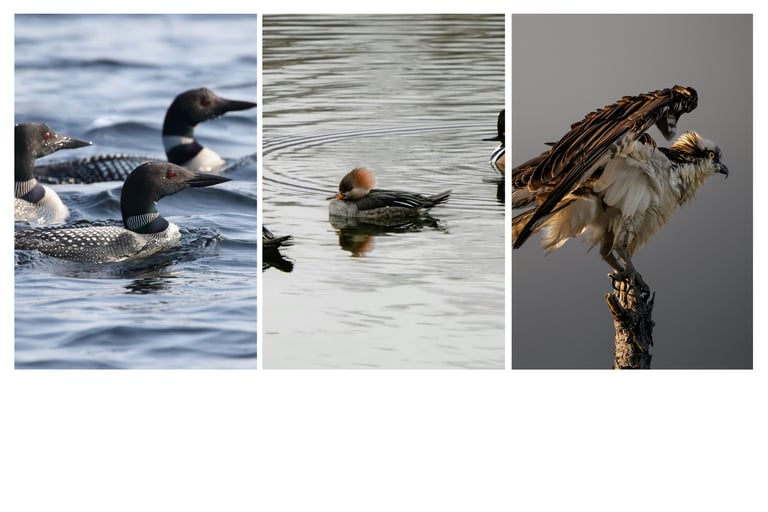
15. Rufus Woods Reservoir – Douglas County
Location: Columbia River backwaters
Loons, mergansers, osprey, and peaceful shorelines. A lesser-known stop for solitude-seekers.
Best Season: Spring through fall
16. Methow Valley
Location: Winthrop/Twisp area
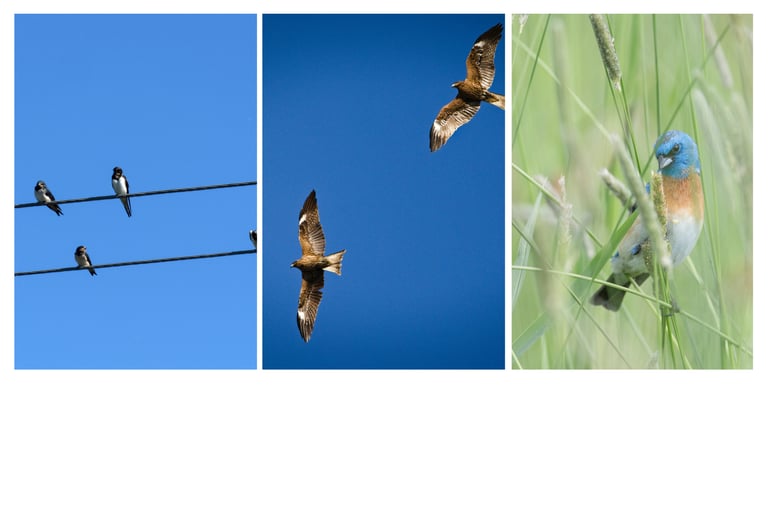
Summer brings swallows, raptors, and songbirds like Western Tanagers and Lazuli Buntings. Pair birding with a gentle hike.
Best Season: Late spring and early summer
17. Yakima Canyon
Location: Between Ellensburg and Yakima
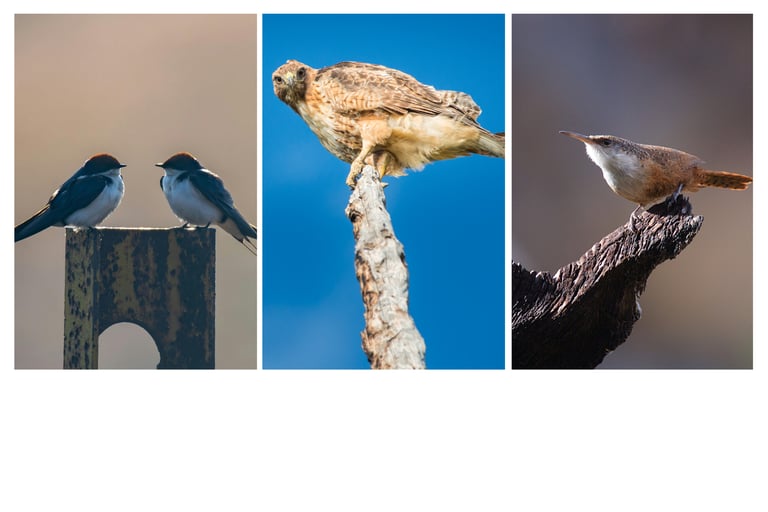
Desert cliffs host swallows and raptors; listen for canyon wrens echoing off basalt walls.
Best Season: Spring and early summer
18. Palouse Prairie – Southeastern Washington
Location: Rolling hills near Pullman, Colfax, and Walla Walla
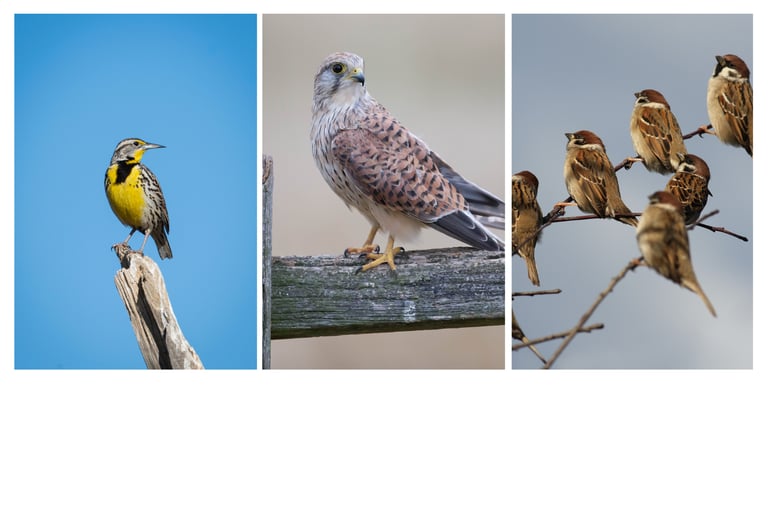
Wide-open grasslands where meadowlarks, kestrels, and sparrows sing from fenceposts. Big skies and golden light.
Best Season: May–July
19. Turnbull National Wildlife Refuge – Cheney
Location: Channeled Scablands near Spokane
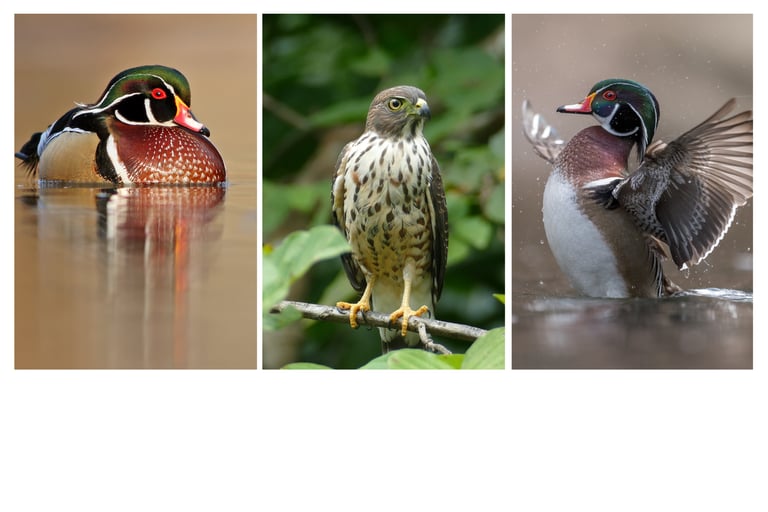
Wetlands, ponderosa pines, and grasslands support wood ducks, hawks, and more — with quiet roads and overlooks.
Best Season: Late spring through fall
20. Columbia National Wildlife Refuge – Near Othello
Location: Basalt coulees and ponds
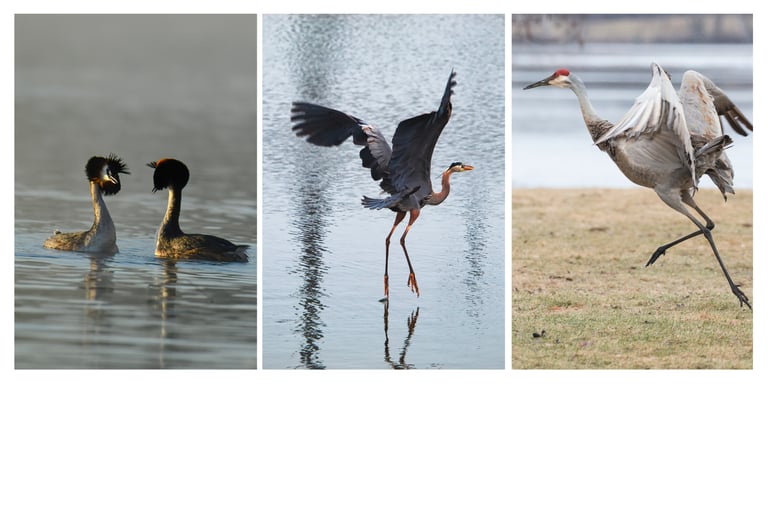
Grebes, herons, and (in March) thousands of sandhill cranes migrating through — a breathtaking soundscape.
Best Season: Early spring for cranes; year-round for waterfowl
Bird-Watcher’s Packing List
Binoculars: 8×42 is a great all-around choice.
Field Guide or App: Try Audubon, Merlin, or iBird for quick IDs and calls.
Notebook or Camera: Record sightings and the moments that speak to you.
Clothing: Quiet, neutral colors; waterproof layers for Washington’s mix of sun and rain.
Mindset: Patience, curiosity, and a sense of wonder go a long way.
Final Thoughts
Bird-watching isn’t about checking species off a list — it’s an invitation to slow down. Some days the sky will fill with wings. Other days, you’ll hear just a single song. Either way, you’ll walk away calmer than when you arrived.
So grab your binoculars, find a quiet trail, and let the world of feathers and flight remind you how peaceful it feels to simply be present.
Explore More, Worry Less
Amanda's Favorite Birdwatching Walmart Picks
Connect
Join our community
Contact
info@getoutsideandplayusa.com
© 2025. All rights reserved.