Add your promotional text...

Visiting Flower Farms in Washington
Discover the best flower farms in Washington State with this scenic travel guide featuring where to go, what to expect, seasonal blooms, family-friendly experiences, photo opportunities, and the must-have items to bring for a perfect day outdoors.
WASHINGTON TRAVEL
Get Outside and Play USA
2/3/202510 min read
What to Bring When Visiting Flower Farms in Washington State
One thing I’ve learned after visiting flower farms across Washington is that a little preparation can make the entire experience more relaxing and enjoyable. Some farms have wide gravel paths, muddy fields, or uneven ground, while others are large enough that you’ll spend hours wandering through rows of blooms taking photos and soaking in the scenery. Having a few simple essentials with you can turn a quick stop into a comfortable all-day adventure.
The first thing I always recommend is wearing comfortable walking shoes or sandals with good support. Many flower farms are spread across open fields, and you’ll likely be walking much farther than expected. Pairing them with breathable socks helps keep your feet comfortable on warm summer days, especially during tulip, lavender, and sunflower season when farms can get busy and hot.
Washington mornings can still feel chilly even during bloom season, so bringing a light jacket or cardigan is always a good idea. I also highly recommend a sun hat or wide-brim hat because many flower farms have very little shade once you’re out in the fields. Not only does it help protect you from the sun, but it also makes those flower-field photos look extra cute and vacation-worthy.
If you love taking pictures for social media, Pinterest, or family memories, a few photography extras can completely level up your visit. A phone camera lens attachment helps capture wider flower-field landscapes and close-up bloom details that your phone camera sometimes misses. A compact travel tripod is especially helpful if you’re traveling solo or want those dreamy full-body flower-field photos without asking strangers for help. I also like bringing a camera strap or wrist strap because farms often involve juggling flowers, drinks, bags, and phones all at once. A portable power bank can honestly save the day after hours of taking photos and videos.
Since most flower farms include gift shops, u-pick bouquets, fresh produce, handmade soaps, candles, or local treats, bringing a crossbody bag or small backpack makes carrying everything much easier while keeping your hands free. I also recommend packing a reusable tote bag for bouquets and farm finds because many farms encourage eco-friendly shopping. If there’s any chance of rain or irrigation water in the fields, a waterproof pouch for your phone and wallet can protect your valuables from getting soaked or dusty.
Sunny flower-field days can sneak up on you fast, especially in open sunflower or lavender fields. I never skip reef-safe, skin-friendly sunscreen, along with UV-protection sunglasses to make the bright fields easier on your eyes. A simple lip balm with SPF also helps more than people think, especially during windy spring tulip season. If you’re visiting early morning or staying into the evening golden hour, a lightweight scarf or shawl can add just enough warmth without taking up much space.
If you’re planning to visit a u-pick flower farm, don’t forget floral snips or garden shears. Some farms provide cutting tools, but many recommend bringing your own for easier bouquet cutting. I also love bringing a notebook or journal to jot down flower varieties, garden inspiration, or little travel memories from the day. A picnic blanket can turn a flower farm stop into a peaceful afternoon picnic surrounded by blooms, and an insulated water bottle is a must during warmer summer visits.
Flower farms also make the perfect place to pick up thoughtful gifts or bring home something that keeps the experience going long after the trip ends. A flower press kit is a beautiful way to preserve petals and blooms from your adventure. A glowing sunflower solar lantern adds cozy garden charm at home, while cute plant lover gift sets make fun surprises for garden enthusiasts. I’ve also seen gorgeous sunflower suncatchers that bring colorful light into windows and make sweet reminders of summer flower-field adventures in Washington.
This post contains affiliate links. As an Amazon Associate, I earn from qualifying purchases. I may also earn commissions from other retailers at no extra cost to you.


One of the things I love most about Washington is how every season bursts with color. From the fiery fields of tulips in the spring to fragrant lavender under blue summer skies, visiting flower farms has become one of my favorite ways to slow down, breathe deeply, and reconnect with the beauty of the Pacific Northwest.
Every year, I make it a little personal tradition to chase the blooms—from valley tulips to island lavender, and even the hidden gardens that only locals seem to know about. Here are some of my favorite flower-filled destinations across the state.
Spring in Skagit Valley: Tulip Magic
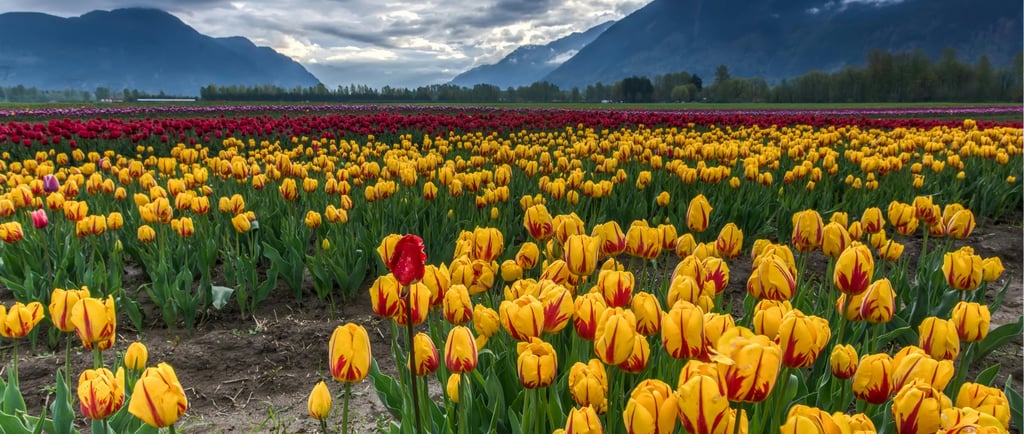
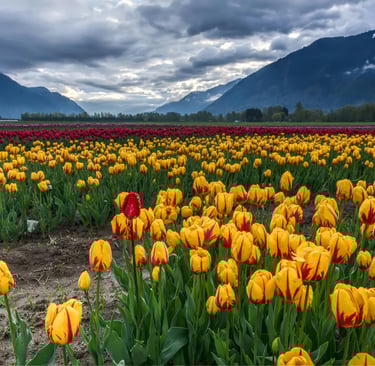
If heaven had rows, they’d look like this. Roozengaarde’s tulip fields stretch for miles, bursting with color in every shade imaginable, framed by the snowy peaks of Mount Baker. It’s a photographer’s dream and a must-see for anyone visiting in April.
Directions:
Take I-5 N to Exit 230 (Mount Vernon/Burlington). Follow Highway 536 W (Memorial Highway) and turn onto Beaver Marsh Road to reach Roozengaarde Display Garden.
Season:
Mid-April to early May, depending on weather.
Fees:
Around $15 per person during bloom season; parking included.
Tips:
Go early in the morning for softer light and fewer crowds. Bring waterproof shoes—it’s a tulip field, not a carpet!
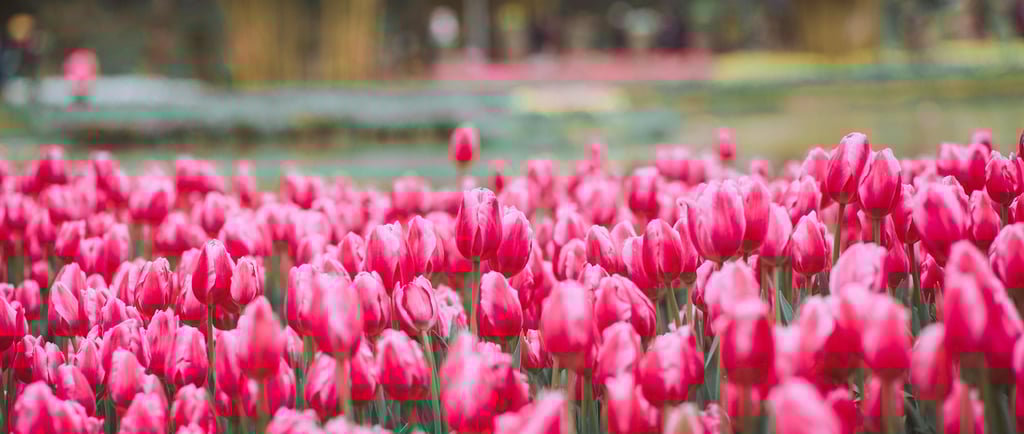
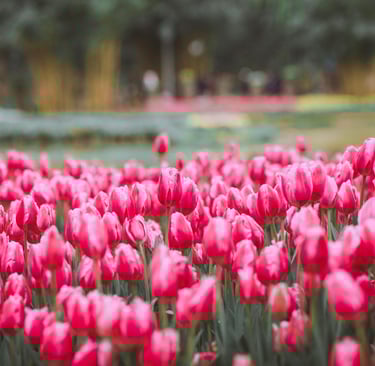
Tulip Town is all about fun. Picture bright blooms, a colorful trolley ride, live music, and a beer and wine garden. It’s lively, family-friendly, and filled with good vibes.
Directions:
From Mount Vernon, follow McLean Road W to Bradshaw Road. Tulip Town is well-marked and has a large parking area.
Season:
April through early May.
Fees:
Admission about $15; children 5 and under free.
Tips:
Grab a drink, catch a trolley ride through the fields, and don’t miss the tulip mural inside the barn—it’s an Instagram favorite.


Smaller, quieter, and utterly charming, Garden Rosalyn is where I go to slow down. There are picnic tables, food trucks, and ducks gliding across a pond that reflects all the tulip colors around it.
Directions:
Located at 16648 Knez Road in Burlington, just minutes from I-5 Exit 230.
Season:
April through early May.
Fees:
Modest admission (around $10 per person).
Tips:
Bring lunch and stay awhile—this is a wonderful spot for families and relaxed picnics between photo stops.
Summer Bliss: Lavender Adventures
Pelindaba Lavender Farm – San Juan Island
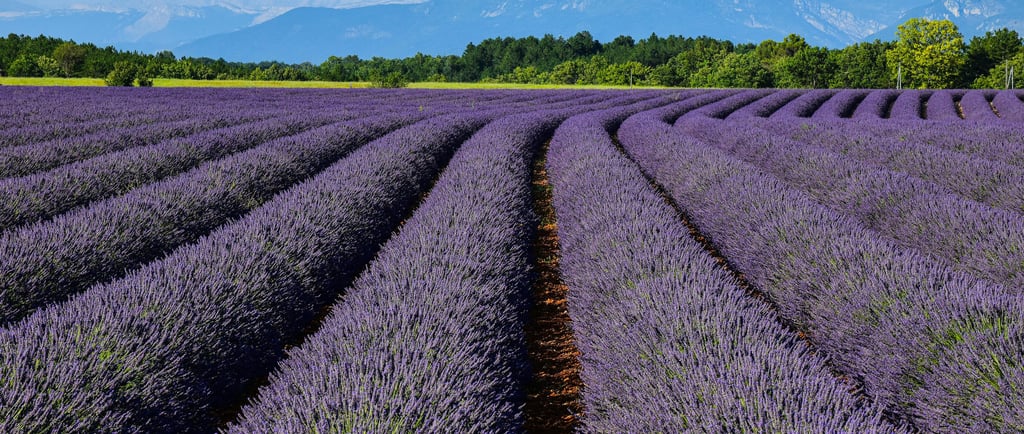
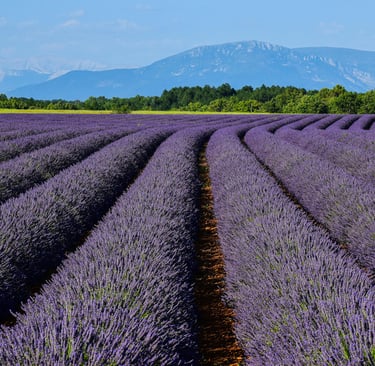
There’s nothing quite like wandering through purple fields while bees hum and the air smells like calm itself. Pelindaba is both a working farm and an artisan market, selling everything from lavender ice cream to handcrafted oils.
Directions:
Take the Anacortes ferry to Friday Harbor. From the ferry dock, drive 7 miles south on Cattle Point Road; the farm entrance is on the left.
Season:
July through early August.
Fees:
Free admission.
Tips:
Try the lavender lemonade, and visit their little gift shop before heading back into town. Mid-July is the peak bloom—bring your camera!


Sequim Lavender Festival – Sequim
Every July, the town of Sequim transforms into a fragrant, purple wonderland. Dozens of farms open their gates, live music fills the air, and vendors line the streets with everything lavender under the sun.
Directions:
Follow Highway 101 west from Port Townsend or east from Port Angeles into Sequim. Festival signs guide visitors to shuttle parking and major farms.
Season:
Mid-July (annual festival weekend).
Fees:
Free entry to downtown events; individual farm fees may apply.
Tips:
Come early for cooler temps and better parking. Don’t miss the sunset views from Purple Haze Lavender Farm.

Rhododendrons, Roses & More
Meerkerk Rhododendron Gardens – Whidbey Island
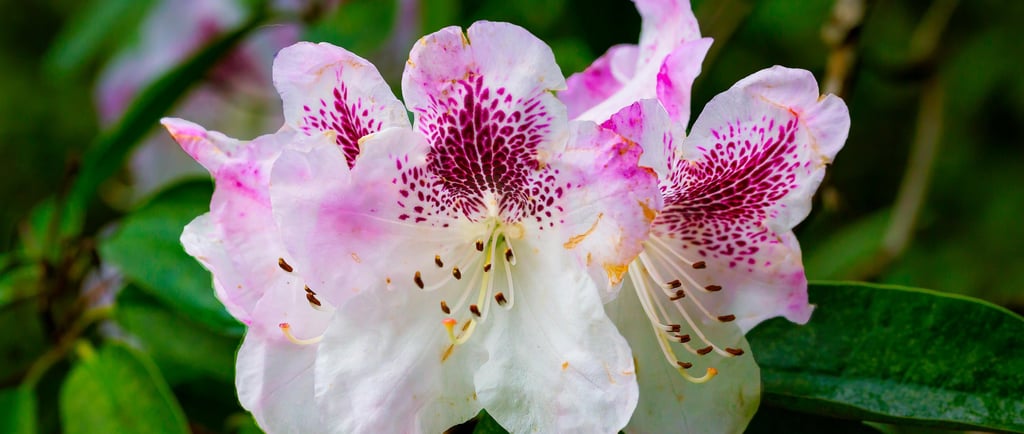
This 53-acre garden feels like a fairytale. Walking the quiet trails beneath towering firs, you’ll see hundreds of rhododendrons blooming in every color. Birds sing, petals fall, and time slows down.
Directions:
Take the Mukilteo-Clinton ferry, drive north on Highway 525 about 19 miles, then turn left on Meerkerk Lane.
Season:
April through May.
Fees:
$5 donation per person.
Tips:
Morning walks are magical here—soft light filters through the trees and the gardens are often empty but for the songbirds.




Rhododendron Species Botanical Garden – Federal Way
This one’s a hidden gem just off I-5. It holds one of the world’s largest rhododendron collections—over 700 species—and the colors in May are jaw-dropping.
Directions:
From I-5 Exit 143, head west on S 320th Street, then south on Weyerhaeuser Way S; the garden entrance is on your right.
Season:
Mid-April through June.
Fees:
Around $10 for adults.
Tips:
Bring your camera and explore the Fern Stumpery trail—it’s a shady, photo-perfect detour.


Manito Park feels like Spokane’s beating heart of flowers. With themed gardens—from Japanese serenity to classic rose beds—it’s a place that draws both photographers and daydreamers.
Directions:
Located at 1702 S Grand Boulevard in Spokane, about 10 minutes south of downtown.
Season:
May through September for roses; spring through fall for other blooms.
Fees:
Free admission and parking.
Tips:
The Duncan Garden’s symmetry is stunning in the morning light, and the conservatory is open year-round if you visit off-season.

Daffodils & Seasonal Surprises
Daffodil Festival – Pierce County
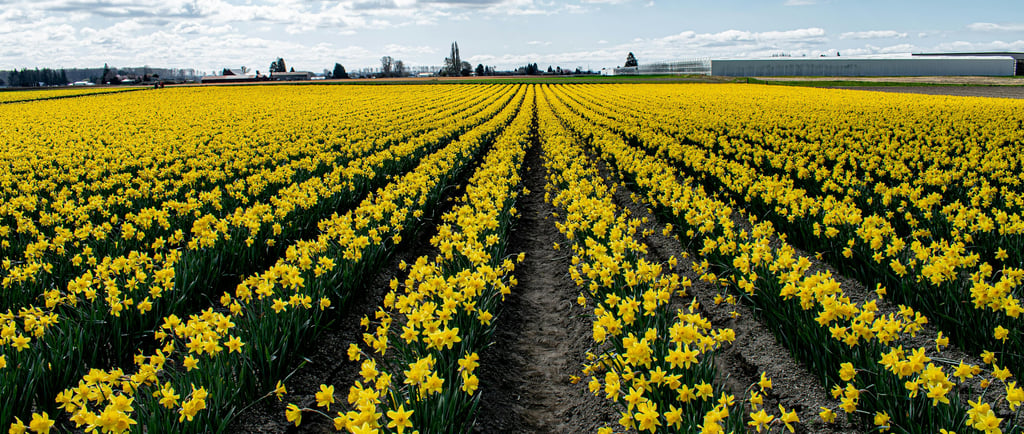
When March arrives, fields of yellow bloom across Puyallup, Sumner, and Orting, celebrated by parades, floats, and bright community spirit.
Directions:
Easiest access is via Highway 512 or 167 to downtown Puyallup. Parade routes change yearly, so check local maps in advance.
Season:
Late March to early April.
Fees:
Free festival admission.
Tips:
Arrive early for parade parking and don’t forget rain gear—spring weather likes to keep us guessing!


This historic estate garden near Tacoma feels like stepping back in time. Its blooming pathways, tranquil ponds, and annual events like MayFest and FairyFest make it a whimsical stop for garden lovers.
Directions:
Located at 12317 Gravelly Lake Drive SW in Lakewood, just off I-5 Exit 124.
Season:
March through October.
Fees:
About $10 per adult.
Tips:
Bring a picnic and take your time—every corner of these gardens feels like a painting come to life.
My Tips for Visiting Flower Farms in Washington
Check bloom calendars: Tulips in April, rhododendrons in May, lavender in July, dahlias in August, and sunflowers through September.
Bring your camera: The light in early morning or just before sunset makes the colors glow.
Support local farms: Buy a bouquet, candle, or jar of local honey—it helps keep these places thriving.
Pack a picnic: Many farms have open lawns and tables where you can sit, snack, and soak in the view.
Making Flower Farm Visits Fun for Kids
Visiting flower farms in Washington can be just as magical for kids as it is for adults when you turn it into a little adventure. Let them bring a small nature journal or sketchbook to draw their favorite blooms, count colors, or press fallen petals they find along the paths. A kid-size camera or binoculars makes them feel involved, while comfortable shoes and sun protection keep little explorers happy longer. Many farms offer wide open spaces perfect for picnics, so packing a blanket and snacks turns the visit into a relaxed family outing instead of a rushed stop. When kids feel included, curious, and comfortable, flower farm days become core memory kind of days
Flower Farm Fun for Kids – Mini Essentials
There is something about a field of blooming flowers that feels hopeful.
Perhaps it's because, whether we realize it or not, we see a little of ourselves in them.
When we admire a flower, we usually notice the bloom. The bright colors. The delicate petals. The beauty that catches our eye. What we don't see is everything that happened before that moment.
We don't see the days spent pushing through the soil.
We don't see the roots growing deeper beneath the surface.
We don't see the storms it endured along the way.
Yet every flower carries that story.
People do too.
Most of us spend a great deal of our lives growing in ways that aren't immediately visible. We learn through challenges. We gain wisdom through experience. We develop strength through difficult seasons. Often, some of our greatest growth happens quietly, long before anyone else notices.
Like flowers, we are constantly becoming.
No two flowers bloom exactly alike, and perhaps that is part of their beauty. Some blossom early. Others take longer. Some grow tall and bold, while others remain small and delicate. Yet each contributes something unique to the landscape around it.
Life works much the same way.
It can be easy to compare our journey to someone else's, wondering if we're behind or if we should be further along. But flowers never compete with the blooms beside them. Each unfolds in its own time.
There is a lesson in that.
Flower farms are a celebration of individuality. Thousands of blooms, each different, each beautiful, each growing according to its own design. Together they create something extraordinary.
Perhaps people do the same.
Maybe we aren't meant to follow identical paths or bloom on identical schedules. Maybe our differences are what make the world more colorful, more interesting, and more beautiful.
As you walk through rows of blossoms stretching toward the horizon, it's hard not to feel reminded that growth is rarely rushed. Nature takes its time. Beauty unfolds when it is ready.
And maybe we should offer ourselves that same grace.
Perhaps that's the real magic of flowers—not simply their beauty, but the reminder that every season of growth matters, even the ones nobody else can see.
Final Thoughts


Connect
Join our community
Contact
info@getoutsideandplayusa.com
© 2025. All rights reserved.