Add your promotional text...

Washington State: Zoos, Drive-Through Safaris & Aquariums You’ll Love
Discover the best zoos, drive-through safaris, and aquariums in Washington State, from family-friendly animal parks to unforgettable wildlife experiences. Learn where to go, what to expect during your visit, and what I personally bring to stay comfortable, organized, and prepared for fun-filled days exploring with kids, friends, or family.
WASHINGTON TRAVEL
Get Outside and Play USA
7/22/20256 min read
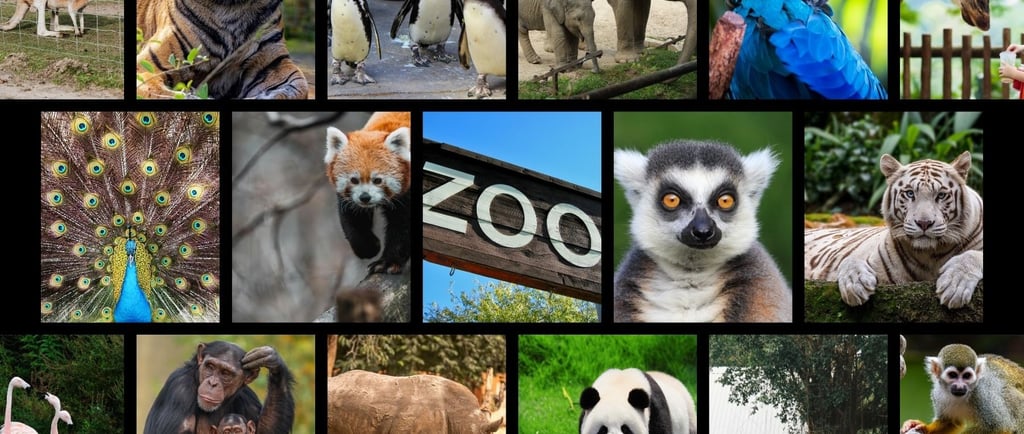
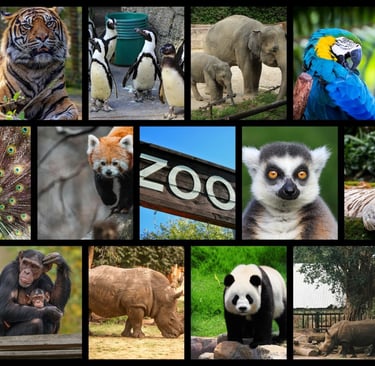
If there’s one thing I’ve learned exploring Washington, it’s that adventure doesn’t always require hiking boots or a mountain trail—sometimes, it’s found face-to-face with a curious otter or a towering giraffe. Whether you’re traveling with kids, planning a cozy date, or just craving a day surrounded by nature’s finest creatures, Washington has some wildly fun places to explore. From classic zoos to drive-through safaris and coastal aquariums, here’s your guide to the best animal encounters across the state.
Tucked inside Seattle’s lush Woodland Park, this world-class zoo feels like an escape to faraway lands. You’ll wander through lush tropical forests, African savannas, and even a penguin colony that makes you forget you’re in the city. The zoo is beautifully designed with winding paths, interactive areas for kids, and endless educational stops that make learning about wildlife genuinely exciting.
Location: Seattle
Tips: Arrive early to snag parking and beat the crowds. Don’t miss the Zoomazium—a fun indoor nature play area for kids.
Tickets: Around $20–$28 depending on age and season.
Point Defiance Zoo & Aquarium – Tacoma
If you want a “two-for-one” experience, this is your spot! Point Defiance combines a full zoo and aquarium within the beautiful Point Defiance Park overlooking Puget Sound. You’ll see tigers, polar bears, sharks, sea otters, and even stingrays you can touch. It’s big enough for a full day but compact enough not to feel overwhelming.
Location: Tacoma
Tips: Wear comfy shoes—there’s plenty to see. The shark dive viewing tunnel is a crowd favorite.
Tickets: $20–$26 (combo admission for zoo and aquarium).
Seattle Aquarium – Seattle Waterfront
Perched right on Pier 59, this ocean-themed treasure is perfect for a rainy-day outing. The Seattle Aquarium shines a spotlight on Pacific Northwest marine life with stunning underwater tunnels, interactive tide pools, and playful harbor seals. The new Ocean Pavilion adds tropical fish and coral reef habitats that make you feel like you’ve been whisked to paradise.
Location: Downtown Seattle Waterfront
Tips: Visit during feeding times for sea otters or octopuses—they’re always entertaining!
Tickets: Around $27 for adults, $20 for kids.
Cougar Mountain Zoo – Issaquah
This smaller, family-run zoo has big heart. With close-up views of tigers, lemurs, reindeer, and more, Cougar Mountain Zoo makes you feel like you’re part of the family. Its focus on endangered species and conservation gives each exhibit deeper meaning, and the staff’s passion is contagious.
Location: Issaquah
Tips: Check for special events like the “Reindeer Festival” in winter—kids love it.
Tickets: About $16–$20.
Northwest Trek Wildlife Park – Eatonville
If you love the idea of a wildlife road trip without leaving the park, this one’s for you. Northwest Trek lets you drive through rolling meadows and forested landscapes while elk, bison, and moose roam freely nearby. You can also hop out for walking trails and animal exhibits featuring bears, bobcats, and cougars.
Location: Eatonville (near Mount Rainier)
Tips: Try the Wild Drive experience in your own car for the ultimate safari vibe. Bring binoculars!
Tickets: $18–$26 depending on season and activity.
Want to feed a buffalo from your car window? Olympic Game Farm makes that dream come true! This legendary drive-through safari on the Olympic Peninsula lets you roll down your window (safely!) to hand out slices of bread to elk, yaks, llamas, and zebras. Many of the animals are retired from film or educational programs, and they’re as friendly as they come.
Location: Sequim
Tips: Do not buy bread- they sell bread before you enter. They make it with special ingredients to keep the animals healthy. —they’ll love you for it. Visit early or late in the day for less traffic.
Tickets: Around $20 per adult vehicle pass.
Bonus: Hidden Animal Gems
• Feline Conservation Foundation (Roslyn): Home to rescued wildcats, focusing on education and conservation.
• Kangaroo Farm (Arlington): Meet and feed kangaroos, wallabies, and other friendly animals—great for kids!
• MaST Center Aquarium (Des Moines): A smaller marine-science aquarium open on weekends, great for learning about local sea life.
This post may contain affiliate links, including links from Amazon, Walmart, and other affiliate partners. This means that if you click on a link and make a purchase, I may earn a small commission at no additional cost to you. As an Amazon Associate, I earn from qualifying purchases. I only recommend products I genuinely believe add value to outdoor adventures and hiking experiences.
What I Actually Pack for Zoo, Safari & Aquarium Trips in Washington State
One thing I’ve learned from visiting zoos, drive-through safaris, and aquariums around Washington is that a little preparation makes the entire day way more enjoyable. These trips usually involve more walking, more weather changes, and way more snacks than people expect.
Whether we’re spending the day at an aquarium watching sea otters, driving through a wildlife safari park, or wandering around a zoo for hours trying to see every animal twice, there are a few things I always bring because they genuinely make the trip easier, more comfortable, and a lot more fun.
The first thing I always grab is a lightweight backpack or daypack because somehow I am the one who ends up carrying jackets, snacks, water bottles, sunscreen, maps, souvenirs, and random “treasures” kids suddenly decide they absolutely need to keep forever. Having a comfortable bag keeps everything organized without feeling bulky all day.
I also never leave home without refillable water bottles, especially during summer zoo trips where everyone somehow gets thirsty at the exact same time. Staying hydrated makes a huge difference once you’ve been walking around in the sun for hours. Along with water, I usually pack an insulated lunch bag or soft cooler, reusable snack containers, and easy grab-and-go snacks because buying food all day inside parks adds up fast.
Comfort also matters a lot more than people realize. Zoo days usually involve miles of walking, standing, and carrying things around, which is why I always wear cushioned walking shoes and bring things like anti-blister socks, cooling towels, and sometimes even compression socks for longer outings. Nothing ruins a fun family trip faster than everyone’s feet hurting halfway through the day.
And because Washington weather likes to keep people guessing, I always pack for both sunshine and rain. A good broad-spectrum sunscreen, wide-brim hat or baseball cap, and UV-protective sunglasses are essential for sunny days. But I also keep a lightweight poncho or rain jacket tucked into my bag because unexpected rain showers are basically part of the Pacific Northwest experience.
When kids come along, I’ve learned it helps to make the whole day feel interactive instead of just a long walk between exhibits. I like bringing things like kids binoculars, zoo scavenger hunts, activity books, and little animal-themed backpacks because it keeps kids engaged and excited throughout the day.
For younger kids, a lightweight stroller can honestly save the day—even for kids who insist they don’t need one. After hours of walking, everyone suddenly gets tired at once. I also understand why some families prefer bringing a child safety harness or wrist link during crowded weekends or busy summer visits.
I also love bringing a few things that help make the experience more memorable. Smartphone camera lens attachments and compact cameras are great for capturing animals from farther away without carrying huge camera gear around all day. And honestly, kids absolutely love wildlife books, scavenger hunts, and stuffed animal souvenirs. Half the fun is seeing which animal becomes their favorite by the end of the day.
Snacks are another thing I never underestimate. I always keep protein bars, electrolyte drink packets, reusable snack pouches, and collapsible cups packed because zoo days somehow turn everyone hungry every 20 minutes. Having snacks ready keeps energy up and helps avoid cranky mid-afternoon meltdowns.
And of course, I always throw a few “just in case” items into my bag too. A mini first-aid kit, tissues, pocket wipes, stain remover pens, and a foldable tote bag for souvenirs have all saved me at some point during family outings.
And when it comes to making the day extra fun for kids, I’ve found the little things matter most. Sticker books, washable crayons, refillable kids water bottles, character snack containers, hoodies for chilly evenings, and yes… probably a plush animal by the time you leave. Those are usually the things kids end up remembering just as much as the animals themselves.
At the end of the day, zoo and aquarium trips are really about making memories together—watching kids light up when they see an elephant for the first time, laughing at playful otters, or standing quietly watching giant sea creatures drift through the water. These are just the things I’ve learned help make the experience smoother, more comfortable, and a whole lot more enjoyable for everyone involved
Final Thoughts
From feeding buffalo in Sequim to watching sea otters twirl in Seattle, Washington’s zoos, aquariums, and wildlife parks offer something magical for everyone. Each stop invites you to connect with the natural world in a new way—reminding us that adventure doesn’t always mean getting lost in the mountains… sometimes it’s just about getting lost in wonder.
So pack a snack, grab your camera, and go wild—because the best stories are written when you Get Outside and Play USA!
Connect
Join our community
Contact
info@getoutsideandplayusa.com
© 2025. All rights reserved.